
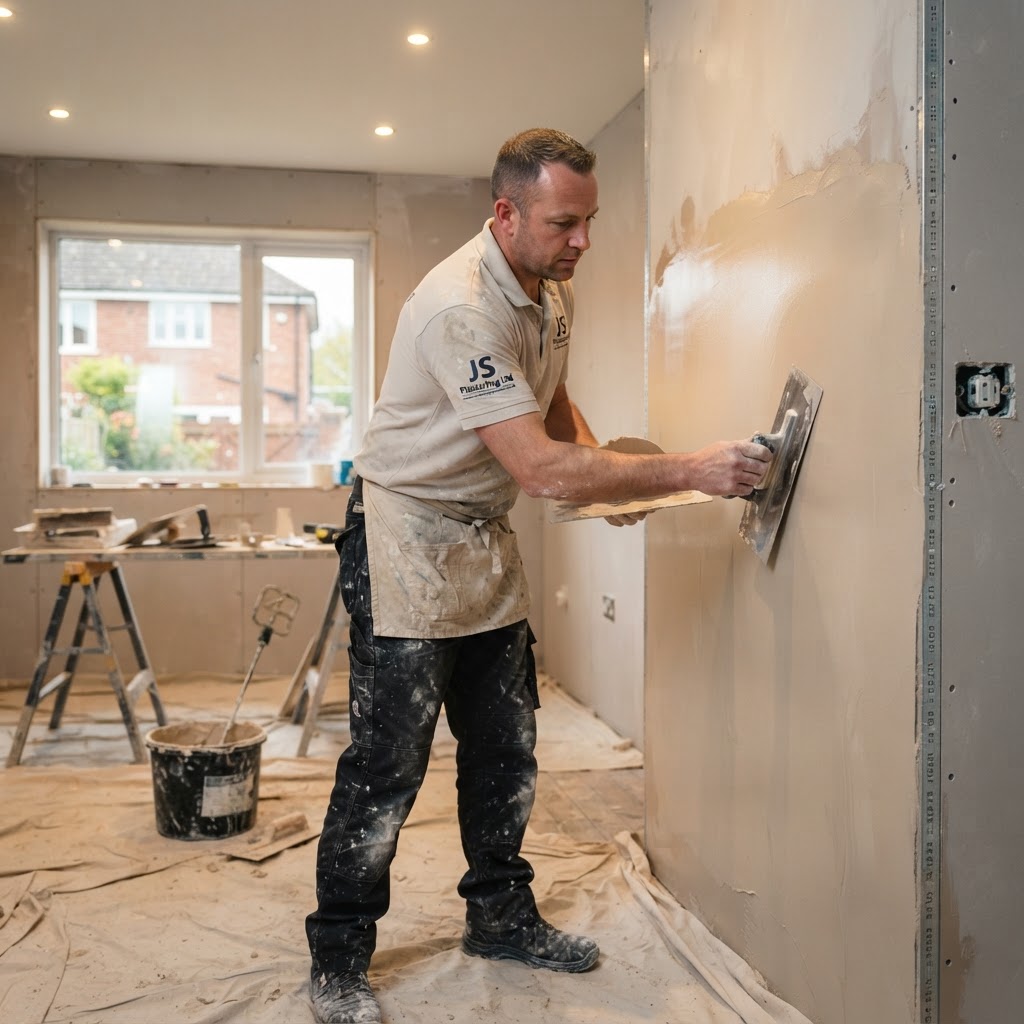
Plasterer Near Me: A London Homeowner's Complete Guide
When you type "plasterer near me" into a search bar, you're rarely just browsing — you've probably noticed a crack spreading across a ceiling, a patch of blown plaster on a wall, or you're planning a renovation and need someone reliable, local, and available soon. The good news is that London has no shortage of tradespeople offering plastering services, but finding one who is genuinely skilled, insured, and able to start within a reasonable timeframe is a different challenge altogether. This guide walks you through exactly what to look for, what different plastering jobs involve, and how to get a fast, accurate quote from a plasterer who covers your part of London.
What Does "Plasterer Near Me" Actually Mean?
A search for a local plasterer usually falls into one of a few categories: emergency repairs (a leak has damaged a ceiling, or a wall has cracked), planned renovation work (re-skimming a room before decorating, removing old artex, or plastering a new extension), or ongoing property maintenance for landlords managing multiple units. Whatever the reason, the underlying need is the same — you want someone with local knowledge of London properties, a solid reputation, and the flexibility to work around your schedule.
London's housing stock is unusually varied. You might be dealing with lath and plaster ceilings in a Victorian terrace, lime plaster walls in an older Edwardian semi, or plasterboard partitions in a modern new-build flat. Each of these requires a slightly different approach, materials, and skill set, which is why choosing a plasterer with broad experience across property types matters more in London than almost anywhere else in the UK.
![A skilled plasterer applying a smooth finish coat to(/LocalPlastererNearMeLondon) a ceiling in a Victorian terrace house living room]
What to Look For in a Plasterer
Not all plastering work is equal, and the quality of the finish depends heavily on preparation, material choice, and experience. When assessing a local plasterer, consider the following:
- **Experience with your property type** — a plasterer used to modern plasterboard partitions may not have the same feel for lime plaster or lath-and-plaster ceilings common in older London homes.
- Portfolio and reviews — genuine before-and-after photos and independent reviews (Google, Checkatrade, or similar) give a realistic sense of finish quality.
- Clear, written quotes — a reputable plasterer will inspect the job (in person or via photos) and provide a written estimate rather than a vague verbal figure.
- Insurance — public liability insurance protects you if something goes wrong during the work.
- Communication and punctuality — a plasterer who responds promptly to enquiries is usually more reliable once on site.
- Local availability — a plasterer based near your borough is more likely to fit you in quickly and understand local property quirks.
At London Plastering Service, we've built a reputation over 20+ years working across all 32 London boroughs, from Victorian conversions in Islington to new-build flats in Stratford, which means our team has genuinely seen it all.
Types of Plastering Work Covered
A good local plasterer should be able to handle the full range of domestic plastering needs, including:
- Wall skimming — applying a thin, smooth finish coat over plasterboard or existing plaster to prepare for painting or wallpapering.
- Ceiling plastering — replacing damaged ceilings or skimming over existing ones for a flush, even surface.
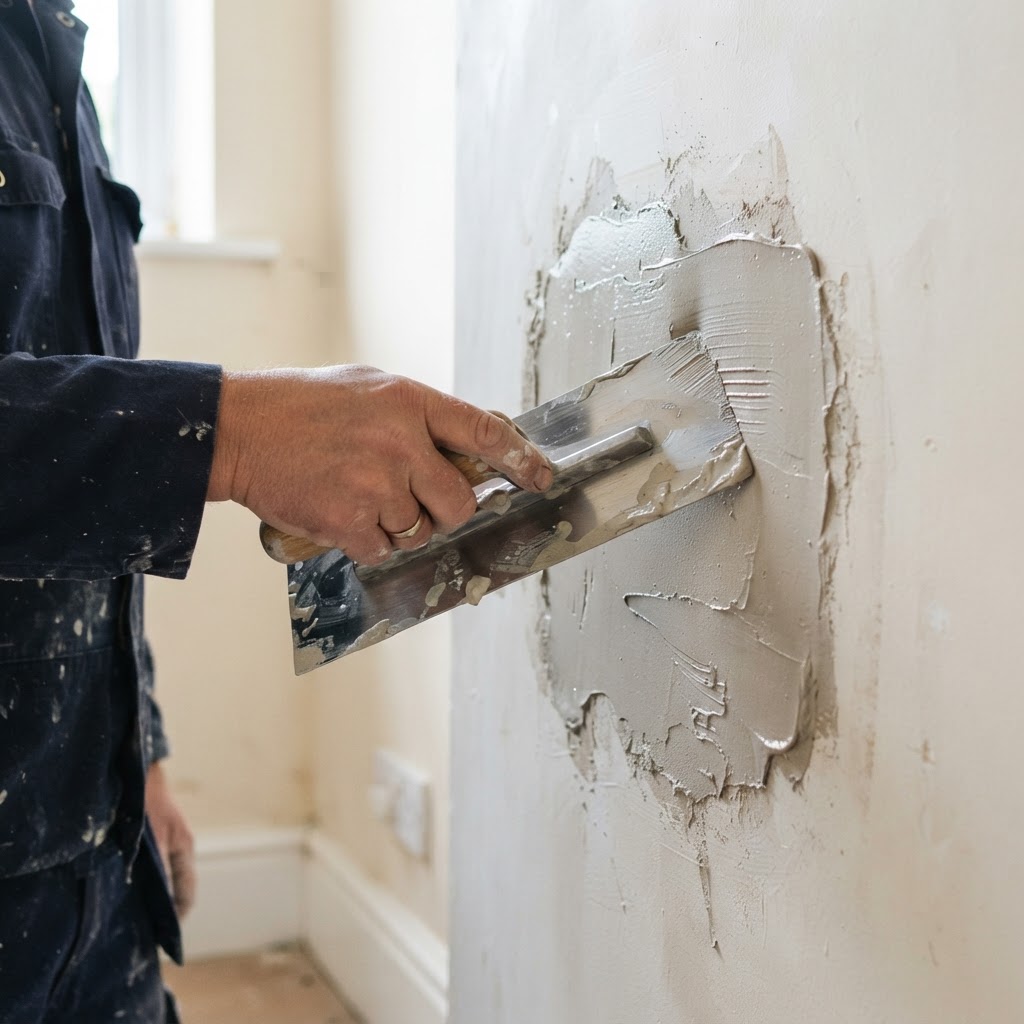
- Plaster repairs and patch repairs — fixing cracks, holes, or small areas of blown or crumbling plaster without needing to redo an entire wall.
- Full room re-skims — stripping back and re-plastering an entire room, often done before a full redecoration.
- Full house replastering — larger projects covering multiple rooms, typically needed after a major renovation or when a property has been neglected.
- Artex covering — skimming over textured Artex ceilings and walls to modernise the finish without the disruption of removal.
- Dry lining and plasterboarding — installing plasterboard to stud walls or over masonry before skimming.
- Rendering — external wall finishes for weatherproofing and appearance.
- Lime plastering — a traditional, breathable finish suited to period properties and listed buildings.
- Decorative plastering and cornicing — restoring or installing period coving, ceiling roses, and other decorative details.
- Insulated plasterboard — combining insulation with plasterboard for improved thermal performance, often used in cold external walls.
Questions to Ask Before Hiring
Before committing to any tradesperson, it's worth asking a few direct questions:
- What is your experience with this type of job? A cornicing restoration requires different skills to a straightforward wall skim.
- Can you provide references or examples of similar work? Photos of comparable London properties are a good sign.
- What materials will you use, and why? For older properties, lime plaster may be more appropriate than modern gypsum products.
- How long will the job take, and how many coats are involved? This affects both your budget and how long you'll need to work around drying times.
- What's included in the quote? Confirm whether materials, labour, and any necessary preparation (like removing old artex) are all covered.
- When can you start? Availability varies significantly, especially for larger jobs.
Asking these questions upfront avoids misunderstandings later and helps you compare quotes on a like-for-like basis rather than just by headline price.
Common Plastering Jobs in London Properties
London's mix of period and modern housing throws up some recurring plastering challenges:
Victorian and Edwardian terraces often have original lath and plaster ceilings that have deteriorated over the decades, along with decorative cornicing that needs careful restoration rather than replacement. Damp issues in solid brick walls can also cause plaster to blow (separate from the wall), requiring patch repairs or a full re-skim.
Converted flats frequently reveal inconsistent wall finishes where partition walls have been added over the years, mixing plasterboard with older masonry. Getting a consistent, flush finish across these transitions takes skill.
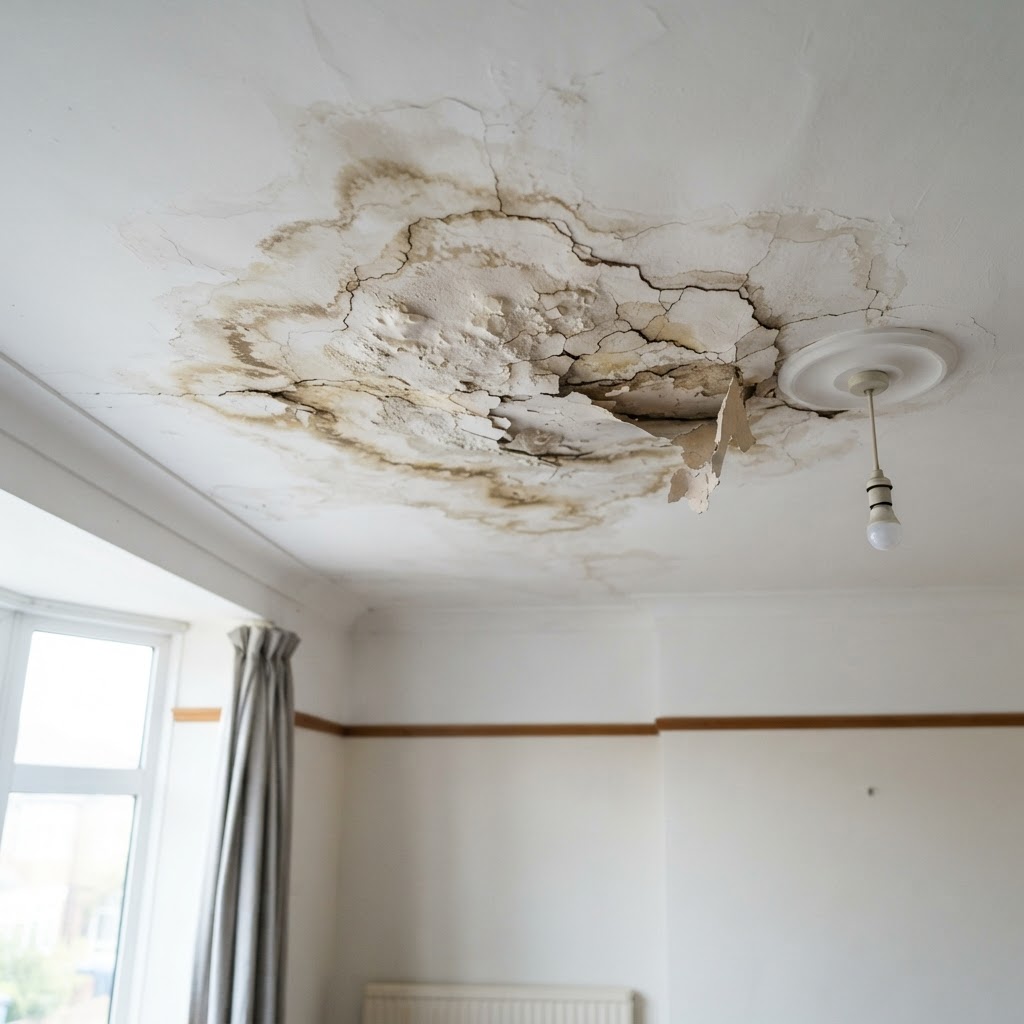
Water-damaged ceilings are a particularly common call-out across London, whether from a leaking roof, a burst pipe, or an overflow from a flat above. These jobs typically involve removing the damaged plaster, allowing the area to dry fully, and re-skimming once the underlying cause has been fixed.
Artex ceilings, popular in mid-to-late 20th century homes, are often covered over with a smooth skim rather than removed, giving a modern finish without the mess and cost of full removal.
New-build snagging — even modern flats sometimes need patch repairs or re-skimming where the original plastering finish was rushed or damaged during other renovation work.
When You Need a Professional Plasterer
Small, cosmetic cracks or tiny nail holes can often be filled with ready-mixed filler as a DIY job. However, plastering is a genuinely skilled trade, and most jobs beyond the most superficial repairs benefit from professional attention. You should call in a professional when:
- The damage covers a large area or keeps reappearing (which may indicate an underlying structural or damp issue).
- You're dealing with a ceiling, where poor technique can lead to sagging, uneven surfaces, or even collapse if not handled correctly.
- You want a genuinely smooth, flat finish ready for painting — DIY attempts often leave visible trowel marks, ridges, or inconsistent texture.
- The property has period features like cornicing or lime plaster that require specialist knowledge to restore properly.
- You're renovating multiple rooms and want consistent quality and finish across the whole property.
DIY plastering can save money on very small patch jobs, but for anything visible or structural, hiring an experienced plasterer nearly always produces a better, longer-lasting result — and can be more cost-effective than redoing a botched DIY attempt.
How to Get a Quote Quickly
Getting an accurate quote doesn't need to be a lengthy process. Most reputable plasterers can give you a good indication of cost and timescale from a phone call, a few clear photos, or a short site visit. To speed things up:
- Take clear photos of the affected area(s), including wide shots for context and close-ups of any damage.
- Note the approximate size of the room or wall/ceiling area involved.
- Mention whether the property is period or modern, as this affects material choice.
- Flag any known issues, such as recent leaks or damp, so these can be addressed as part of the job.
At London Plastering Service, we offer free quotes and can typically respond quickly to enquiries covering all 32 London boroughs, whether you need a same-week emergency repair or are planning ahead for a full renovation. Our team is available Monday to Friday, 7am–7pm, and Saturday, 8am–5pm, so getting a quote arranged around your schedule is straightforward.
FAQ About Hiring a Plasterer
How much does hiring a plasterer near me cost in London? Costs vary depending on the size and complexity of the job, the type of plaster used, and whether preparation work (like removing old artex or fixing damp) is needed. Simple patch repairs are generally more affordable than a full room re-skim or full house replastering, so it's best to get a specific quote based on your job.
How long does a typical plastering job take? Small patch repairs might be completed within a day, including drying time between coats. A full room re-skim typically takes a few days to allow each coat to dry properly, while full house replastering can take longer depending on the number of rooms and the extent of the work involved.
Can I plaster a wall or ceiling myself? Small filler jobs are manageable for confident DIYers, but achieving a genuinely smooth, professional finish — especially on ceilings or larger wall areas — takes practice and the right tools. For anything beyond minor cosmetic touch-ups, hiring an experienced plasterer usually gives a better long-term result.
How quickly can a plasterer start work? This depends on current workload and the urgency of the job. Emergency repairs, such as water-damaged ceilings, are often prioritised for a faster response, while planned renovation work can usually be scheduled a little further ahead. It's always worth asking directly about availability when requesting a quote.
Do you cover my area of London? Yes — London Plastering Service covers all 32 London boroughs, from central areas to outer London, so wherever your property is located, we can typically arrange a visit or quote.
What's the difference between skimming and full replastering? Skimming involves applying a thin finish coat over existing plasterboard or sound plaster to create a smooth surface, while full replastering means removing old, damaged plaster entirely and applying fresh coats from the base coat up. Which one you need depends on the condition of the existing surface.
Get a Free Quote from Your Local Plasterer
Whether you're dealing with a water-damaged ceiling, planning a full room re-skim, or simply need a reliable local plasterer for ongoing property maintenance, London Plastering Service is ready to help. With over 20 years of experience and a 4.9-star reputation across all 32 London boroughs, we understand the specific challenges of London's period and modern properties alike. Call us on +44 7460 892826 or email office@londonplasteringservice.com to arrange a free quote — we're available Monday to Friday, 7am–7pm, and Saturday, 8am–5pm.
Related Plastering Guides & Services
Need Professional Plastering?
Get expert plastering services in London. Free quotes within 60 minutes.