
Back to Blog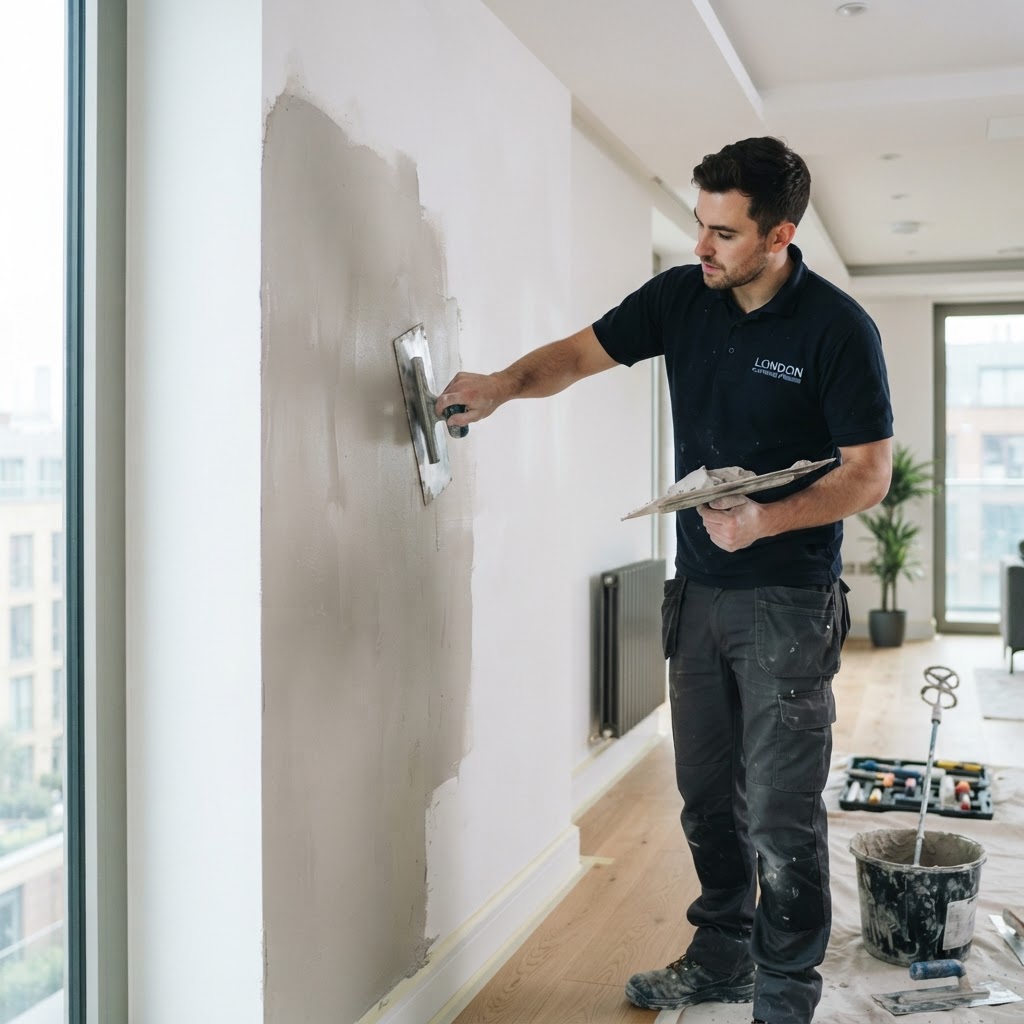
Choosing a Professional Plasterer in London: The Expert Guide
September 4, 2026
5 min read
plasteringlondon-tradeshome-renovationproperty-maintenance
Finding the Right Expert for Your London Home Finding a reliable plasterer in London is often the most stressful part of home renovation. Whether you are living in a period property in Kensington or a modern apartment in Canary Wharf, the quality of your finish depends entirely on the hands applying the plaster. With so many options available, how do you filter out the amateurs and find a true master of the trade? The London market is unique; from Victorian lath-and-plaster ceilings in Wandsworth to damp-prone basement conversions in Camden, the requirement for technical expertise is higher than anywhere else in the UK. ### 1. Verify Qualifications and Experience A professional plasterer should demonstrate mastery beyond simple skimming. Look for NVQ Level 2 or 3 qualifications in Plastering. Ask specifically if they are trained in 'dot and dab' methods versus traditional floating. If you are refurbishing a period property in Hampstead (NW3), ask if they have experience with lime plastering, which is essential for breathable wall systems in historic buildings. A portfolio should show tight corner work, perfectly level reveals around windows, and clean edge-cutting where the wall meets the ceiling. Ask for examples of their work specifically on curved walls or bay windows, which are common in West London properties. ### 2. The Importance of Local References Being London-based, we understand the nuances of the city's architecture. A professional with a track record in your specific borough is invaluable. For instance, a plasterer working in Chelsea (SW3) faces different logistical challenges regarding parking, congestion charges, and strict building regulations compared to one working in suburban Bromley (BR1). Ask for references from clients within a three-mile radius of your project. Seeing a finished job in person is always better than looking at filtered Instagram photos. Ask the referee about the cleanliness of the site and the plasterer's punctuality—vital traits in a busy city. ## Understanding 2026 London Plastering Costs Price is always a factor, but in London, the cheapest quote is rarely the best. Material costs, such as Thistle MultiFinish and high-quality bonding agents, remain elevated due to supply chain logistics within the M25. As of 2026, you should expect the following benchmarks for quality work: * Skimming a 4x4m room: £600 - £950 depending on wall condition. This typically includes two coats, corner beading, and sanding. * Ceiling Plaster Repair London: Starting from £350 for smaller patches. If the ceiling has collapsed due to water leaks in an older Hackney (E8) property, costs may rise significantly due to the need for debris removal. * Artex Covering London: £700 - £1,200 for a standard bedroom size. This assumes the Artex is non-asbestos; if asbestos is present, professional encapsulation or removal will add 30-50% to the cost. * Full House Replastering: Can range from £4,500 to £12,000. This depends on whether it is a board-and-skim job or full bonding and skimming. * London Premium: Expect a 15-20% premium for central London (Zone 1) due to ULEZ compliance and parking permits. Check our detailed Plastering Prices London guide for a more granular breakdown. Understanding the Plastering Cost London market helps you identify those who are either overcharging or cutting corners by using inferior gypsum products. ## Specialist Services to Look For Beyond basic skimming, ensure your chosen plasterer is proficient in modern techniques like Dry Lining London and thermal insulation boards. With the rising cost of energy, many Londoners are opting for PIR-insulated plasterboards to increase the thermal efficiency of their exterior-facing walls. Furthermore, if you reside in a conservation area, you must check if your plasterer is experienced in heritage restoration. For new-build apartments in Greenwich (SE10), acoustic plasterboarding is a frequent requirement to comply with local noise ordinances. If you have had a pipe burst in the middle of the night, you may need an Emergency Plaster Repair London service; always verify that your chosen company offers reactive maintenance as well as planned renovation work. A true professional should also be able to advise on 'tanking' systems for damp-proofing, which is essential for any cellar conversion in South London. ## Checklist: The Hiring Process 1. Check Insurance: Ensure they have public liability insurance of at least £2 million, which is standard for London residential contracting. 2. Detailed Quote: Never accept a quote over the phone. Always insist on an in-person site visit to inspect for loose substrate or moisture issues. 3. Materials: Ask if the quote includes high-quality bonding agents and scrim tape. A cheap finish is often the result of failing to use high-quality mesh at the joints of new boards. 4. Timeline: Get a start and finish date in writing, and enquire about 'phased' completion if you are living in the property during works. 5. Cleanliness: Ask about dust extraction. A modern professional should be using industrial-grade HEPA vacuums. ## Frequently Asked Questions (FAQ) ### How long should plaster take to dry in a London home? Generally, plaster takes 24 to 48 hours to dry, but it can take up to 2-4 weeks to fully cure. In humid months, especially in riverside locations like Richmond or Putney, you must use a dehumidifier to avoid cracking. Painting too early—while the wall is still 'pink'—will result in paint flaking. ### Can I do my own plastering? While DIY is popular, plastering is a highly skilled trade. Mistakes are expensive to correct, especially on ceilings. We recommend hiring a professional to ensure a smooth, paint-ready surface. The 'skimming' aspect looks easy on video, but keeping the edge 'live' and achieving a perfectly flat finish requires years of muscle memory. ### How do I know if I need a full re-skim or a patch repair? If your walls have hairline cracks, a patch might suffice. If you have deep crumbling plaster or significant water damage, a full re-skim is usually the most cost-effective long-term solution. Ask the professional to 'tap' the wall; a hollow sound indicates a loss of key between the plaster and the wall, meaning a patch will likely fail later. ### Do plasterers move furniture? Most professional plasterers will move light items, but large furniture should be moved by the homeowner. It is highly recommended to protect floors with heavy-duty Correx boards rather than thin dust sheets. Clarify in your contract if the plasterer handles debris disposal, as skip hire in London can add an extra £300+ to your project. ### Is there a difference between plastering and rendering? Yes. Plastering is for internal use, whereas rendering is for external walls. If you are renovating the exterior facade of a house in Notting Hill, ensure your contractor has experience with weather-resistant external render systems. ### What happens if it rains while external rendering? If external work is being carried out, your plasterer must use scaffolding with protective sheeting. Never allow external rendering to be done in temperatures below 5°C, as the chemical bond will not set correctly. ## Ready to get started? At London Plastering Service, we pride ourselves on transparency, quality, and reliability. If you need a professional team to transform your walls and ceilings, contact us today for a free, no-obligation quote.
Related Plastering Guides & Services
Need Professional Plastering?
Get expert plastering services in London. Free quotes within 60 minutes.