
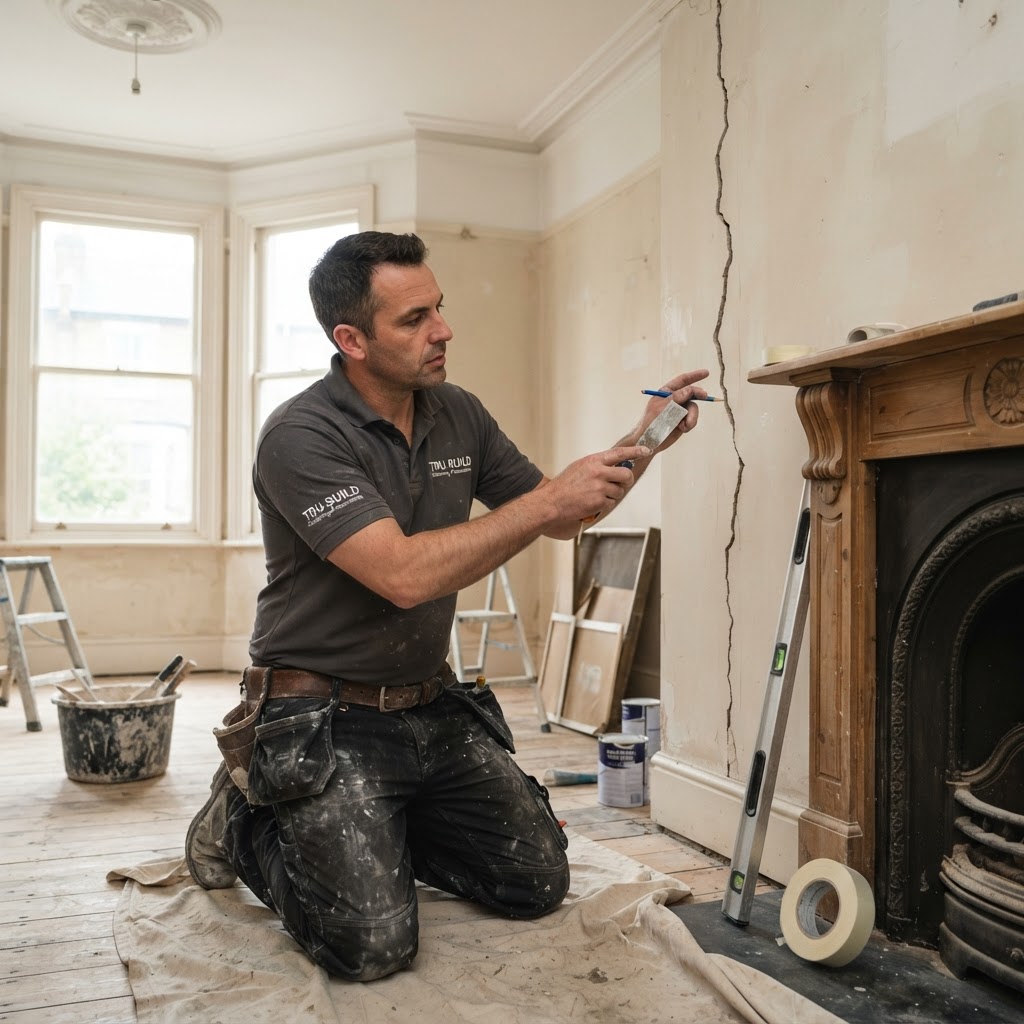
Plasterers in My Area: A London Homeowner's Guide
When you type "plasterers in my area" into a search engine, you're rarely browsing out of curiosity. You've probably got a cracked ceiling, a patch of blown plaster, or a renovation that needs a skilled hand - and you want someone reliable, nearby, and available without weeks of waiting. This guide walks through exactly what to look for in a local plasterer, the types of work they cover, and how to get moving on your project quickly, wherever you are across London's 32 boroughs.
Whether you own a Victorian terrace in Walthamstow, an Edwardian semi in Ealing, or a modern flat in Canary Wharf, the plastering challenges differ - older properties often have lath and plaster or lime plaster beneath layers of artex, while newer builds use plasterboard and dry lining throughout. Knowing this helps you find a plasterer with the right skillset for your specific property.
What to Look For in a Plasterer
Not all plasterers are equal, and the trade covers a wide range of skills. Before hiring anyone, consider the following:
- Relevant experience: A plasterer who's worked extensively on London properties will understand period features, cornicing, and the quirks of older walls that modern tradespeople sometimes miss.
- Portfolio of past work: Ask to see photos of finished jobs, particularly ones similar to yours - whether that's a full re-skim, a ceiling repair, or fixing cracks in plasterboard.
- Clear, itemised quotes: A trustworthy plasterer will explain what's included - materials, labour, and any prep work - rather than giving a vague lump sum.
- Good communication: Response times matter. If a plasterer takes days to reply to a simple enquiry, that's often a sign of how the rest of the job will go.
- Reviews and reputation: Genuine customer feedback, ideally with a consistent rating over time, tells you more than a flashy website.
- Availability that suits your timeline: Some jobs are urgent (a leaking ceiling that's damaged the plaster), others can wait a few weeks. Make sure the plasterer's schedule matches your needs.
At London Plastering Service, we've spent over 20 years working across all 32 London boroughs, which means our teams are familiar with everything from Georgian townhouses to new-build apartments - and we're rated 4.9 stars by homeowners who've had exactly these concerns.
Types of Plastering Work Covered
When searching for "plasterers in my area," it helps to know the full range of services a good plastering company should offer, so you're not left chasing multiple tradespeople for different jobs:
- Wall skimming - applying a thin, smooth finish coat to prepare walls for painting or decorating
- Ceiling plastering - full re-skims or repairs to damaged, sagging, or cracked ceilings
- Plaster repairs and patch repairs - fixing localised damage such as holes, cracks, or water staining
- Full room re-skims - refreshing an entire room's walls and ceiling in one job
- Full house replastering - typically needed after a renovation, damp treatment, or when stripping out old lath and plaster
- Artex covering - skimming over dated artex ceilings and walls for a smooth, modern finish
- Dry lining and plasterboarding - installing plasterboard on stud walls or over masonry, often combined with insulated plasterboard for better thermal performance
- Rendering - exterior wall finishes, including repairs to cracked or weathered render
- Lime plastering - essential for period properties where breathable, traditional materials are needed to avoid trapping moisture
- Decorative plastering and cornicing - restoring or installing coving, ceiling roses, and other period detailing
A company that covers all of these means you only need one point of contact, whether you're repairing cracks in plasterboard in a single room or replastering an entire house.
Questions to Ask Before Hiring
Before committing to a plasterer, it's worth asking a few direct questions:
- **Can you provide a free, no-obligation quote?** Reputable plasterers will assess the job and give you a written estimate without charge.
- How soon can you start? Some jobs are time-sensitive, particularly if there's ongoing water damage or you're coordinating with other trades.
- What preparation is needed from me? Clearing furniture, removing wallpaper, or arranging access can affect timelines and costs.
- How many coats will the job need, and how long is drying time? Fresh plaster typically needs time to dry before painting - rushing this stage can cause problems later.
- Do you cover my borough? London is vast, and travel time affects both cost and scheduling, so confirm coverage before booking.
- What's included in the price? Materials, labour, dust sheets, and clean-up should all be clarified upfront.
Asking these questions upfront avoids misunderstandings and helps you compare quotes fairly between different plasterers.

Common Plastering Jobs in London Properties
London's housing stock is a mix of eras, and each type of property tends to present its own common plastering issues:
Victorian and Edwardian Terraces
These properties often have original lath and plaster walls, which can crack, sag, or crumble with age. Many have also been skimmed over decades of redecoration, leaving uneven surfaces. Cornicing and ceiling roses are common and require specialist decorative plastering skills to repair or match.
Converted Flats and Period Conversions
Where a large house has been split into flats, you'll often find a mix of original plaster and modern plasterboard stud walls added during conversion. This means a plasterer needs to be comfortable working with both traditional and modern materials in the same property.
Modern Flats and New Builds
These typically use plasterboard throughout, with skimmed finishes. Common issues include hairline cracks from settlement, nail pops, or damage from drilling into walls - all of which fall under fixing cracks in plasterboard and patch repair work.
Damp-Affected Properties
Basement flats and ground-floor rooms in older buildings sometimes suffer from rising or penetrating damp, which damages plaster and requires it to be hacked off and replaced once the underlying damp issue is resolved.
Whatever your property type, a plasterer with broad experience across London's housing stock will know how to match existing finishes and avoid common pitfalls.
When You Need a Professional Plasterer
Some small jobs - like filling a tiny nail hole - can be a DIY task. But most plastering work benefits significantly from professional skill, particularly:
- Fixing cracks in plasterboard that keep reappearing, which may indicate movement or an underlying structural issue rather than a simple cosmetic fix
- Ceiling repairs, where working overhead with wet plaster is physically demanding and prone to an uneven finish if done without experience
- Full re-skims, which require consistent technique across a large surface to avoid visible joins or trowel marks
- Lime plastering, which uses different materials and curing processes than modern gypsum plaster and can damage period walls if done incorrectly
- Rendering, which needs to withstand weather exposure and is difficult to apply evenly without the right tools and experience
A poorly executed plastering job is often more expensive to fix than hiring a professional from the start, since the old work usually needs to be stripped back before redoing it properly.

How to Get a Quote Quickly
One of the biggest frustrations homeowners face is waiting around for tradespeople to respond. Here's how to speed up the process:
- Have clear photos ready of the area needing work, taken in good light from a few angles.
- Note the room dimensions if you can, even roughly, as this helps with an initial estimate.
- Describe the issue specifically - is it a crack, damp staining, an outdated artex ceiling, or a full renovation?
- Mention your borough or postcode so the plasterer can confirm coverage and travel time.
- Be clear on your timeline, including whether the work is urgent.
London Plastering Service offers free quotes typically within 60 minutes of enquiry, covering all 32 London boroughs - from Barnet and Bexley to Brent and beyond. Our team is available Monday to Friday, 7am-7pm, and Saturday, 8am-5pm, so you can usually get a response and book a visit without a long wait.
Get in Touch
If you're ready to stop searching and start fixing, call London Plastering Service on +44 7460 892826 or email office@londonplasteringservice.com. With over 20 years of experience and a 4.9-star reputation across London, we handle everything from small patch repairs to full house replastering - and we cover your area, wherever you are in the capital.
FAQ About Hiring a Plasterer
What is "plasterers in my area" and when is it needed? It simply refers to finding a local plastering tradesperson for jobs like crack repairs, ceiling skimming, dry lining, or full replastering. You typically need one when you notice cracking, damp damage, outdated artex, or when renovating a room and need a smooth, professional finish before decorating.
How much does hiring a local plasterer cost in London? Costs vary significantly depending on the size of the job, the type of plaster used, and the condition of the existing surface - small patch repairs cost considerably less than a full room re-skim or house replastering. It's best to get a free, itemised quote based on your specific job rather than relying on generic price guides.
How long does plastering work typically take? A small patch repair might be completed in a single visit, while a full room re-skim often takes a day or two, plus drying time before painting. Full house replastering can take considerably longer, depending on the number of rooms and the extent of preparation needed.
Can I repair plasterboard cracks myself, or should I hire a professional? Minor hairline cracks can sometimes be filled with a basic filler as a temporary DIY fix, but repairing cracks in plasterboard properly - so they don't reappear - usually requires understanding whether the crack is cosmetic or caused by movement. For a lasting, smooth finish, it's generally worth hiring a professional, especially on visible walls or ceilings.
How quickly can a plasterer start work? This depends on their current workload and the urgency of your job. Many reputable plasterers, including our team, can often provide a free quote within an hour of enquiry and arrange a start date that fits around your schedule, particularly for smaller repair jobs.
Do you cover my area of London? Yes - London Plastering Service covers all 32 London boroughs, from central areas to outer suburbs like Barnet, Bexley, and Brent. Whatever postcode you're in, get in touch and we'll confirm availability and provide a free quote.
Related Plastering Guides & Services
Need Professional Plastering?
Get expert plastering services in London. Free quotes within 60 minutes.