
Plasterers in My Area: A Complete London Homeowner Guide
Typing "plasterers in my area" into a search engine usually means one of two things: you've spotted a crack spreading across a ceiling, or a patch of plaster has come away from a wall and you need someone reliable, local, and available soon. Whatever the trigger, the real question underneath is simple — who can I trust to do this properly, and how quickly can they start? This guide walks through exactly what to look for in a local plasterer, the types of work covered, the questions worth asking before you hire, and how London Plastering Service can get a tradesperson to your door across all 32 London boroughs.
London's housing stock is unusually varied — Victorian terraces with lath and plaster ceilings, Edwardian semis with decorative cornicing, post-war ex-council flats with cheaper skim finishes, and new-build apartments with taped-and-jointed plasterboard. Each of these presents different challenges, which is why "a plasterer" isn't always "the right plasterer" for your specific job. Understanding the distinctions below will help you search smarter and avoid costly mistakes.
What to Look For in a Plasterer
Not every tradesperson advertising as a plasterer has the same range of skills. Plastering covers everything from a quick patch repair to full lime plastering on a listed building, and the experience required varies enormously.
Experience with your property type. A plasterer who mainly works on modern new-builds may not have the touch needed for a Victorian lath and plaster ceiling, where the original material is brittle and the fixing points are different from plasterboard. If you live in a period property, ask specifically about experience with older buildings.
Portfolio and reviews. Genuine before-and-after photos and consistent customer reviews (ideally recent ones, not just a handful from years ago) tell you far more than a polished website. Look for feedback that mentions specific things — tidiness, punctuality, finish quality — rather than vague praise.
Clear, itemised quotes. A trustworthy plasterer will walk the job, explain what's involved, and give you a written quote rather than a vague verbal figure. Be wary of anyone unwilling to put pricing in writing.
Appropriate insurance. Public liability insurance protects you if something goes wrong during the job — a dropped tool damaging flooring, for example. It's reasonable to ask whether this is in place.
If you want a deeper dive into the warning signs of unreliable tradespeople, our guide on how to spot cowboy plasterers in London covers red flags to watch for during quoting and while work is underway.
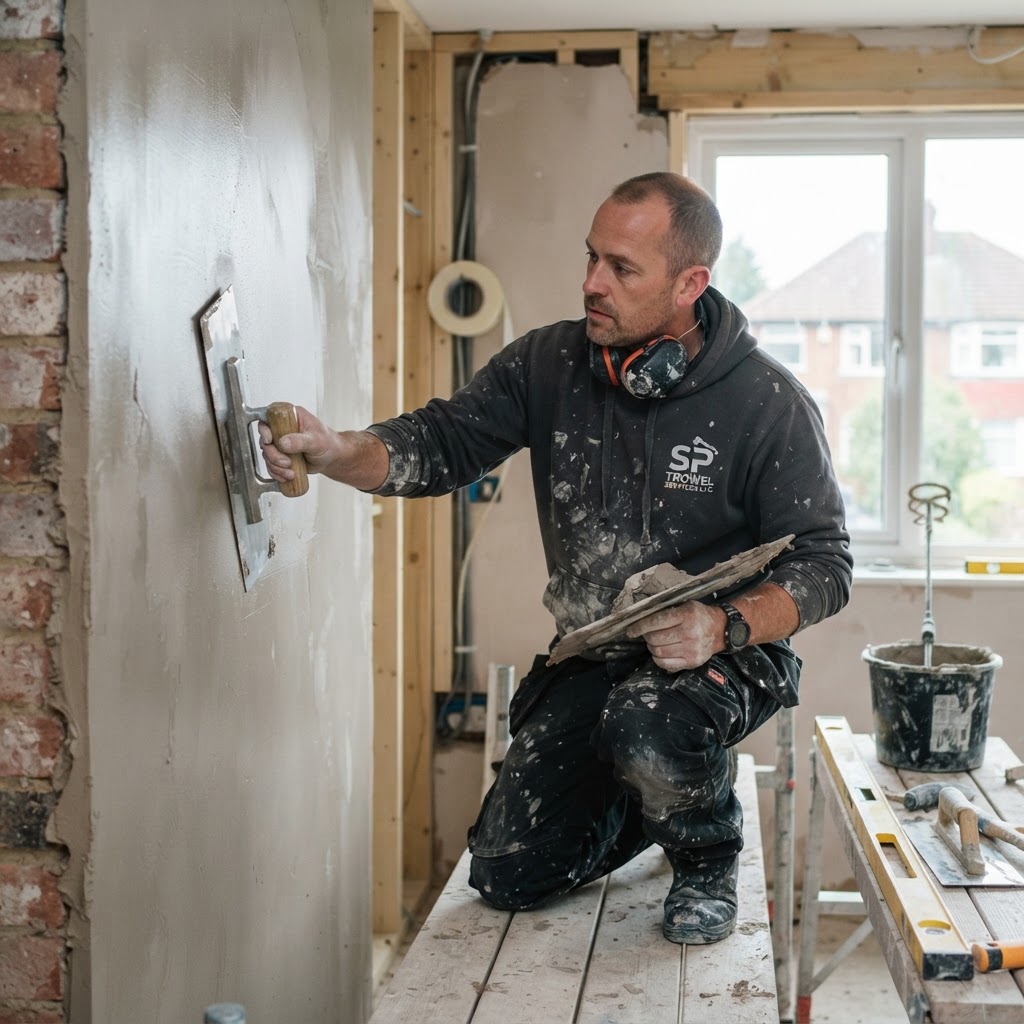
![A professional plasterer in work clothes smoothing(/blog/best-plasterers-in-south-london-a-professional-guide-to-2026-1784599248318) a fresh skim coat onto a living room wall with a trowel]
Types of Plastering Work Covered
When you search for plasterers in your area, it helps to know the specific service you actually need, since this affects both who you contact and how the job is priced.
- Wall skimming — applying a thin, smooth finish coat over plasterboard or existing plaster, typically done after redecorating or when walls have become tired and uneven.
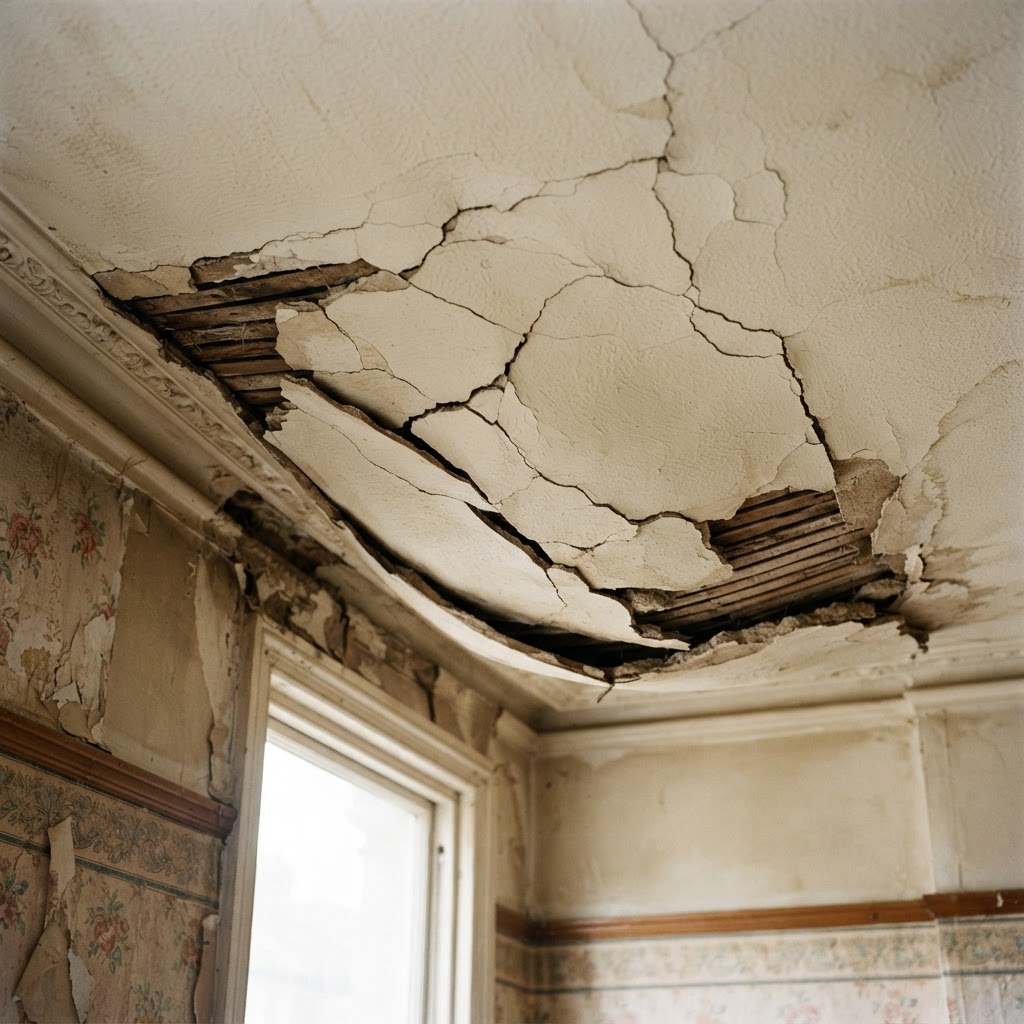
- Ceiling plastering — re-skimming or replacing ceiling plaster, common in older properties where the original lath and plaster has cracked or sagged.
- Plaster repairs and patch repairs — fixing localised damage such as holes, cracks, or areas affected by damp, without needing to redo the whole surface.
- Full room re-skims — stripping back and reapplying plaster across an entire room, often chosen when multiple walls have historic damage or uneven old finishes.
- Full house replastering — a larger project typically undertaken during renovations, extensions, or when a property has been neglected for years.
- Artex covering — skimming over or removing old textured Artex ceilings and walls to achieve a smooth, modern finish.
- Dry lining and plasterboarding — fixing plasterboard to stud walls or masonry before skimming, common in extensions, loft conversions, and partition walls.
- Rendering — exterior wall finishing, protecting brickwork and improving kerb appeal, particularly relevant for terraced house exteriors.
- Lime plastering — a traditional, breathable finish often required on period and listed properties where modern gypsum plaster isn't appropriate.
- Decorative plastering and cornicing — restoring or replicating period coving, ceiling roses, and other ornamental features found in Victorian and Edwardian homes.
- Insulated plasterboard — thermal laminate boards that add insulation value while providing a plasterable surface, useful in older solid-wall properties.
A good local plastering service should be able to cover most, if not all, of these under one roof, saving you the hassle of finding different specialists for different rooms.
Questions to Ask Before Hiring
Before committing to any plasterer, a short conversation can save considerable stress later.
- How long have you been plastering, and do you have experience with properties like mine? Someone experienced with modern flats may approach a Victorian ceiling differently than someone who works on period properties regularly.
- **What's included in the quote?** Confirm whether the price covers materials, labour, waste removal, and any making-good of surrounding areas.
- How long will the job take, and when can you start? Drying times vary depending on plaster type, room size, ventilation, and weather, so ask for a realistic estimate rather than a guess.
- Will you protect flooring and furniture? Plastering is messy work involving dust and wet material, so dust sheets and floor protection should be standard practice.
- Do you offer a written quote and invoice? Paper trails matter, both for your records and for resolving any disputes.
- Can I see recent examples of similar work? Photos of comparable jobs, ideally in similar London property types, give you a realistic sense of the finish quality to expect.
[ (/blog/how-to-spot-cowboy-plasterers-in-london-a-homeowner-s-guide) quote together in a partially plastered room]
Common Plastering Jobs in London Properties
London's mix of housing ages and styles means certain plastering jobs come up again and again.
Victorian and Edwardian Terraces
These properties often still have original lath and plaster ceilings, which can crack, sag, or become detached from the laths over time. Cornicing and ceiling roses are also common and require careful matching if damaged, since off-the-shelf mouldings don't always fit period profiles.
Ex-Council and Post-War Flats
Many of these properties have plasterboard walls with a simple skim finish. Cracking around door frames and window reveals is common due to slight building movement, and full re-skims are often requested when previous decorating has left uneven surfaces.
Modern New-Build Flats
New-build plasterboard can suffer from poor original taping and jointing, leading to visible seams once painted. Snagging repairs on new-builds are a frequent job for local plasterers, often needed before a warranty period expires.
Extensions and Loft Conversions
Any building work that adds new wall or ceiling area — extensions, loft conversions, garage conversions — needs dry lining and plasterboarding followed by a skim finish to blend seamlessly with the existing property.
Damp-Affected Plaster
Properties with historic damp issues, particularly older solid-wall terraces, often need plaster stripped back and replaced once the underlying damp cause has been addressed, since plastering over damp plaster simply masks the problem temporarily.
When You Need a Professional Plasterer
Small, cosmetic touch-ups — a nail hole, a tiny hairline crack — can reasonably be handled with a tub of ready-mixed filler and some sandpaper. But plastering is a skilled trade, and several situations call for a professional rather than a DIY attempt:
- Cracks that are widening, recurring, or running diagonally, which can indicate structural movement rather than simple settlement.
- Ceiling sagging or bulging, which may signal that the plaster is detaching from its fixings and could be at risk of falling.
- Any job involving more than a small patch, since achieving a smooth, flat finish over a larger area takes practice and the right tools.
- Work on period features like cornicing or ceiling roses, where matching the existing profile is genuinely specialist work.
- Full room or whole-house replastering, where consistency of finish across large areas is difficult to achieve without experience.
- Situations where plaster has been affected by damp, since the repair needs to address moisture as well as the surface finish.
If you're unsure whether your situation is DIY-friendly or needs a professional, it's usually worth getting a quick assessment rather than guessing — a five-minute look from an experienced plasterer can save you from a repair that needs redoing.
![Close-up of a cracked and sagging ceiling in a period London property showing signs of plaster detaching(/blog/best-plasterers-in-south-london-a-local-expert-guide-1784541665424) from lath]
How Much Does It Cost, and How Long Does It Take?
Costs for plastering work in London vary depending on the size of the job, the condition of the existing surface, access, and the type of finish required. A small patch repair will naturally cost less than a full room re-skim, and a full house replaster is a bigger investment again. Rather than quoting a fixed figure that may not reflect your specific property, most reputable plasterers will assess the job — either in person or from photos and a description — before providing an accurate written quote.
Timing depends on the job too. A patch repair might be completed within a day, while a full room re-skim typically needs time for the plaster to dry properly before it can be painted, often a few days depending on ventilation, temperature, and plaster type. Full house replastering, especially alongside other renovation work, can take considerably longer and is usually scheduled around the wider project timeline. Asking for a realistic timeframe upfront, including drying time, helps you plan any redecorating or moving-in dates around the work.
How to Get a Quote Quickly
Once you've identified the job and know roughly what you're looking for, getting a quote should be straightforward. London Plastering Service covers all 32 London boroughs, from Barnet and Bexley to Brent and beyond, with local plasterers who understand the property types typical to each area. We offer a free quote within 60 minutes, whether the job is a small patch repair or a full house replaster.
To get started, simply call, email, or send photos of the affected area along with a brief description of the property type and the work you think is needed. We're available Monday to Friday from 7am to 7pm and Saturday from 8am to 5pm, so getting a quote doesn't need to wait until the weekend.
If you're specifically in East London, Central London, or South London, our dedicated guides on same-week service in East London, commercial and residential plastering in Central London, and the best plasterers in South London go into more detail on local coverage and typical turnaround times in those areas.
Ready to Book a Local Plasterer?
Whether you need a small patch repair, a full room re-skim, or complete replastering after an extension, getting the right plasterer for the job matters more than simply finding the nearest one. London Plastering Service has over 20 years of experience, a 4.9-star reputation, and coverage across all 32 London boroughs — meaning wherever you're based, from Barnet to Bexley to Brent and every borough in between, help is close by.
Call us on +44 7460 892826 or email office@londonplasteringservice.com for a free quote within 60 minutes. We're available Monday to Friday, 7am to 7pm, and Saturday, 8am to 5pm.
FAQ
What is a local plasterer and when do I need one? A local plasterer is a tradesperson based near your property who handles plastering work such as wall skimming, ceiling repairs, dry lining, and full replastering. You typically need one when you notice cracks, damp-affected plaster, sagging ceilings, or when redecorating requires a fresh, smooth finish before painting.
How much does hiring a plasterer cost in London? Costs vary depending on the size and complexity of the job, the property type, and the finish required, so it's best to get a written quote based on your specific situation rather than relying on a generic price. Smaller patch repairs generally cost less than full room re-skims or whole-house replastering.
How long does plastering work usually take? A small patch repair might be finished in a day, while a full room re-skim typically needs additional drying time before it's ready for paint, often a few days depending on ventilation and temperature. Larger jobs like full house replastering take longer and are usually scheduled around your wider renovation timeline.
Can I plaster a wall myself, or should I hire a professional? Small cosmetic fixes like nail holes can often be handled with basic filler, but anything beyond that — widening cracks, sagging ceilings, larger patches, or period features like cornicing — is genuinely skilled work best left to a professional. Poor DIY plastering often needs to be redone anyway, which costs more in the long run.
What should I look for when choosing a plasterer? Look for relevant experience with your property type, genuine reviews and portfolio photos, a clear written quote, and appropriate insurance. Being willing to answer your questions clearly before starting work is also a good sign of a trustworthy tradesperson.
Do you cover my area of London? Yes — London Plastering Service covers all 32 London boroughs, including Barnet, Bexley, Brent, and every other borough across the capital. Wherever your property is located, we can typically arrange a free quote within 60 minutes.
Related Plastering Guides & Services
Need Professional Plastering?
Get expert plastering services in London. Free quotes within 60 minutes.