
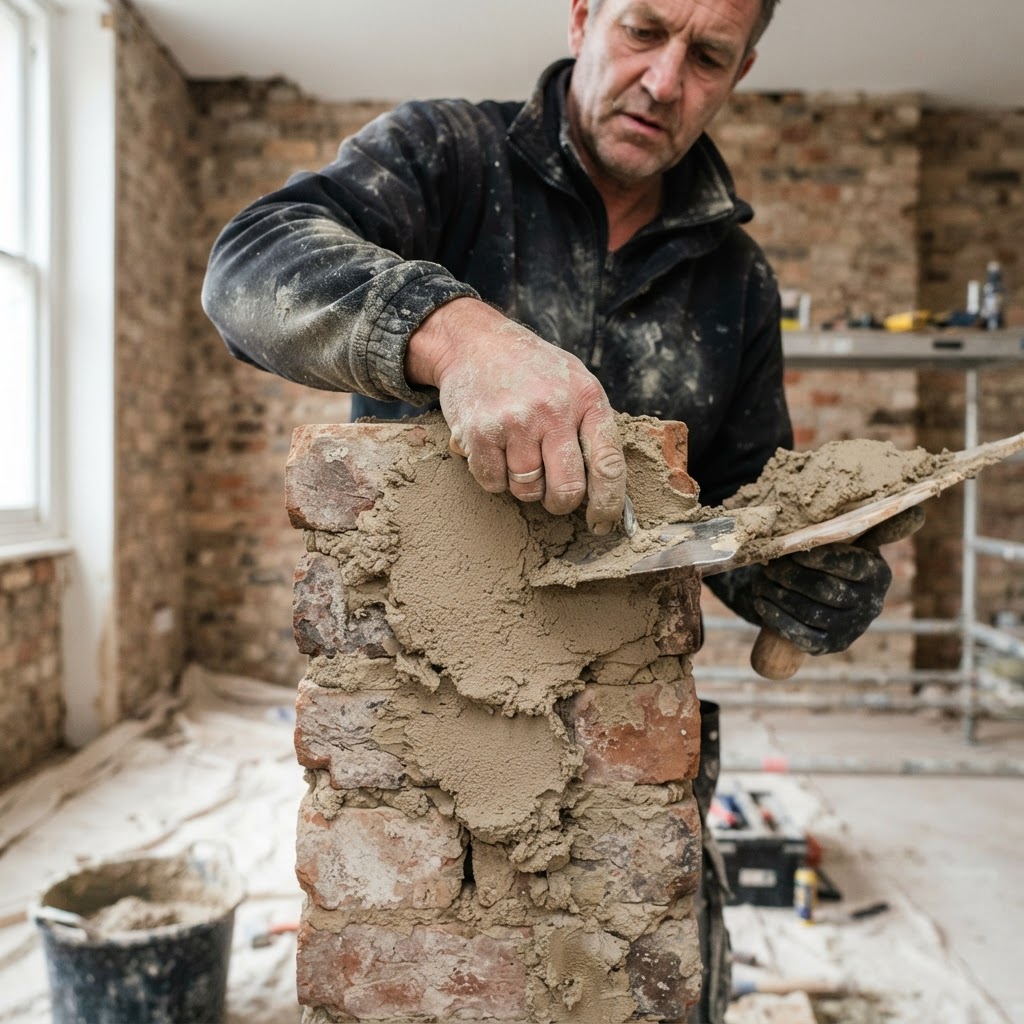
How to Find a Reliable Lime Plasterer Near You in London
Searching "lime plasterers near me" is easy. Finding a tradesperson who actually understands traditional lime work on a London terrace, Georgian townhouse, or Victorian conversion is a different matter entirely. Lime plastering is a specialist skill, and getting it wrong on an old solid-wall building can lead to damp, cracking, and expensive repairs down the line. This guide walks you through how to search smarter, vet candidates properly, and avoid the common pitfalls homeowners run into when hiring.
Why Lime Plaster Matters for London's Period Properties
A huge proportion of London's housing stock predates the 1920s, which means solid brick or stone walls designed to breathe rather than be sealed. Modern gypsum plaster, combined with cement renders and impermeable paints, traps moisture inside these walls instead of letting it evaporate naturally. Over time this causes damp patches, blown plaster, and timber decay in joists and lintels.
Lime plaster is vapour-permeable, meaning it allows moisture to pass through the wall and evaporate at the surface rather than being trapped. It also has a slight flexibility that suits old buildings, which move and settle differently to modern masonry. If you live in a conservation area, a listed building, or simply a pre-1919 property, lime is often the correct material — not just a traditional preference.
(/blog/your-guide-to-finding-plasterers-near-you-in-london)]
How to Search for "Lime Plasterers Near Me" Effectively
A generic search will mostly return general plastering firms that occasionally take on lime work rather than genuine specialists. To narrow the results to tradespeople who actually know what they're doing:
- Add your borough or postcode to the search term rather than relying on "near me" alone — results can be inconsistent depending on your device's location settings.
- Search for "lath and lime plasterer" if your property has original lath and plaster ceilings or partition walls, as this is a more specialist skill again.
- Check trade directories such as the Building Limes Forum or the Heritage Skills Hub, which list tradespeople with genuine lime experience rather than general plasterers who've added it to their service list.
- Look at project photos, not just reviews, since reviews rarely mention the material used, but photos will show whether the finish looks authentic — slightly textured and matt rather than the dead-flat sheen of modern plaster.
- Ask local heritage or conservation groups, as London conservation areas often have informal recommendations for tradespeople who've worked on similar properties nearby.
Vetting a Local Lime Plasterer: Questions to Ask
Once you've got a shortlist, a short phone call or site visit will tell you far more than a website ever will. Useful questions include:
- "What type of lime do you use, and why?" A competent lime plasterer should be able to explain the difference between non-hydraulic (lime putty) and hydraulic lime, and when each is appropriate. Vague answers are a warning sign.
- "How many coats will this need, and how long between coats?" Traditional lime plastering is typically a three-coat process — render, float, and finish — with drying time of several days to weeks between coats depending on conditions. Anyone promising a one-day turnaround for a full lime plastering job likely isn't doing it properly.
- "Can I see examples of similar work, ideally in a property like mine?" Ask specifically about work on solid brick walls, lath ceilings, or cob/timber-frame buildings if that matches your property.
- "How will you deal with existing damp or cement render?" A good lime plasterer will want to understand what's underneath before quoting, including whether any cement-based render or modern paint needs to be removed first.
- "What finish and breathable paint do you recommend?" Lime plaster needs breathable finishes such as limewash or mineral paint — if a tradesperson suggests standard vinyl emulsion, that undermines the whole point of using lime in the first place.
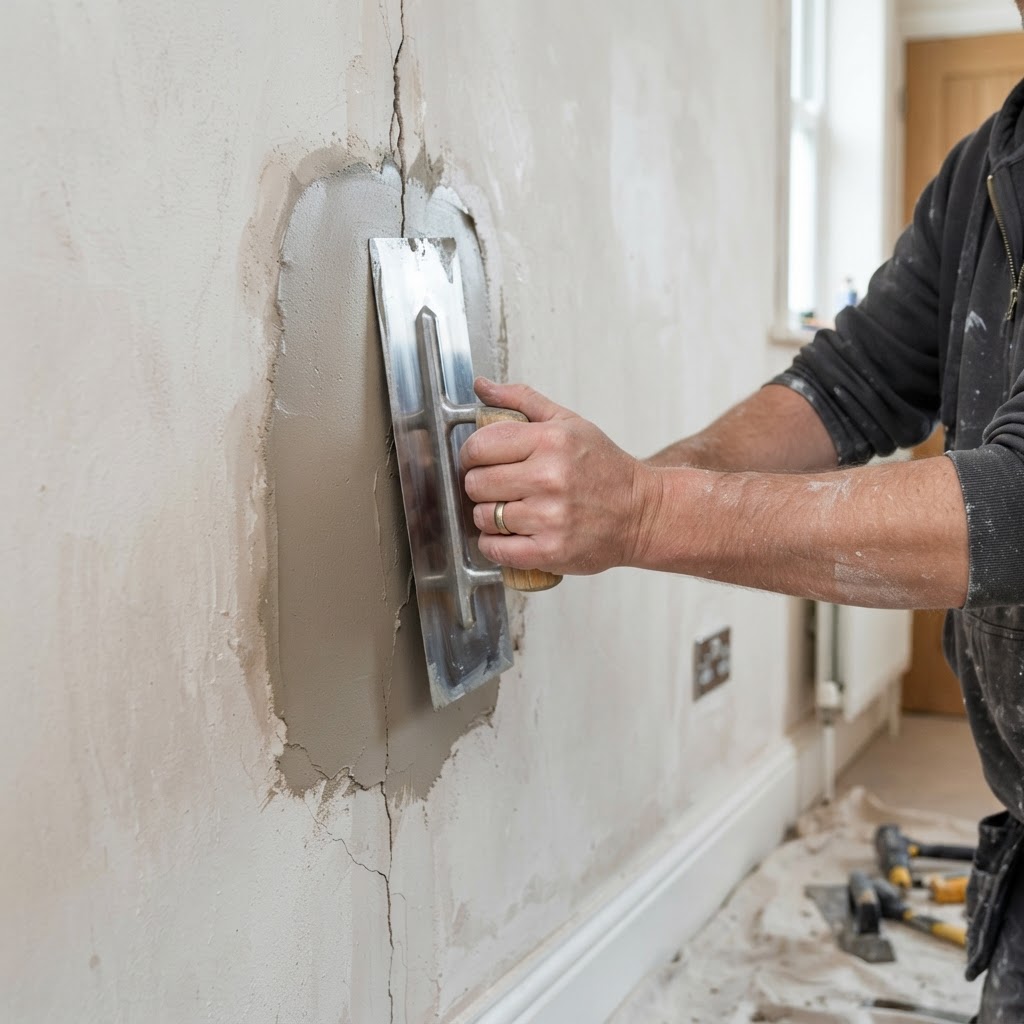
Red Flags and Common Mistakes When Hiring
There are a handful of recurring issues that catch homeowners out when hiring for lime work specifically:
- Using the word "lime" loosely. Some tradespeople advertise lime plastering but actually use a lime-gypsum hybrid or a modern "breathable" plaster that isn't true lime. Ask directly what's in the mix.
- Rushing the drying schedule. Lime carbonates (hardens) slowly as it reacts with air, not by drying out quickly like gypsum. Anyone pushing to finish a multi-coat lime job in a day or two is cutting corners.
- Painting too soon. Freshly applied lime plaster needs weeks, sometimes longer in cold or damp weather, before it's ready for limewash or mineral paint. A reliable plasterer will tell you this upfront rather than let you assume the job is finished once the plaster's on.
- Ignoring the cause of damp. Lime plaster helps manage moisture, but it won't fix a leaking gutter, bridged damp-proof course, or rising ground level outside. A proper specialist will flag these issues before plastering rather than simply replastering over the same problem.
- No aftercare advice. Decorating, heating, and ventilation all affect how lime plaster cures and performs. If a quote comes with zero guidance on aftercare, that's often a sign of limited genuine experience.
What to Expect During a Lime Plastering Project
Understanding the process helps you judge whether a plasterer is doing things properly and set realistic expectations for timescales.
1. Survey and preparation. A good contractor assesses the wall substrate, checks for damp, and removes any incompatible modern materials such as cement render or gypsum skim that would trap moisture behind the new lime coat.
2. Scratch/render coat. The first coat is applied to the background — brick, stone, or lath — and scored or "scratched" to help the next coat key into it.
3. Floating coat. A second coat builds up the surface and levels the wall, applied once the first coat has sufficiently hardened, which can take one to several weeks depending on thickness, temperature, and humidity.
4. Finishing coat. A thinner, finer coat is applied last to create the final surface texture, which is typically left slightly textured rather than perfectly smooth.
5. Curing and decorating. The plaster needs time to fully carbonate before decoration. Ventilation matters during this period — too much heat or draught can cause the surface to dry too fast and crack, while a damp, unventilated room slows curing significantly.
Depending on the size of the room and weather conditions, a full three-coat lime plastering job can take anywhere from a few days of actual labour spread across several weeks, factoring in drying time between coats.
Lime Plaster vs Gypsum: Understanding the Difference
Homeowners often ask why they can't just use standard gypsum plaster, which is cheaper and faster. The key differences:
| | Lime Plaster | Gypsum Plaster | |---|---|---| | Breathability | High — allows moisture through | Low — can trap moisture | | Flexibility | More flexible, suits old wall movement | More rigid, can crack on old walls | | Drying/curing | Slow (weeks), carbonates with air | Fast (days), dries chemically | | Best suited to | Pre-1919 solid wall properties, listed buildings | Modern cavity wall construction | | Finish | Slightly textured, matt | Very smooth, flat |
For a Victorian terrace with solid brick walls, gypsum plaster applied directly can actually accelerate damp problems, because moisture that would previously have evaporated through a breathable lime coat instead gets trapped, leading to blown plaster and mould. This is why so many London conservation officers and surveyors specifically recommend lime for pre-war solid wall properties.
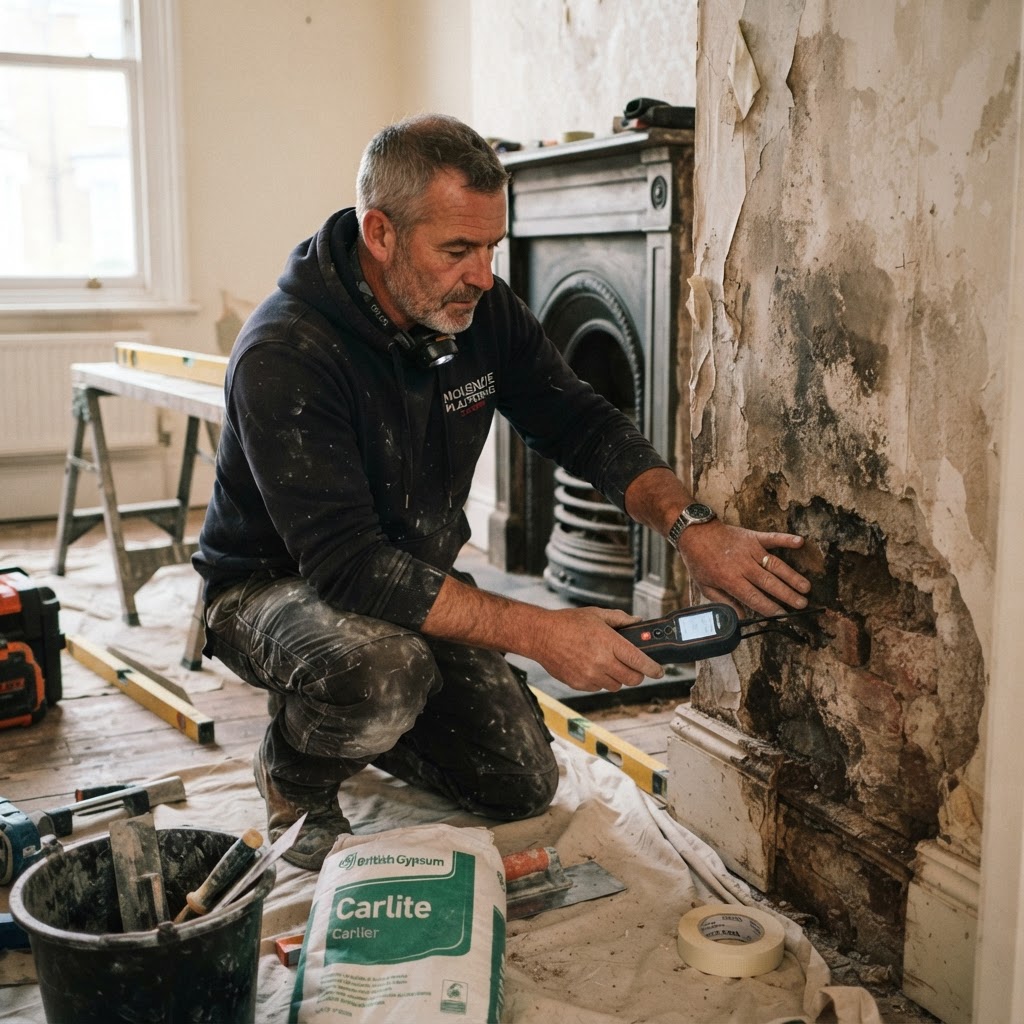
Maintaining Lime Plaster After Installation
Once your lime plastering work is complete, a little ongoing care keeps it performing well for decades:
- Use breathable paints only, such as limewash, clay paint, or mineral silicate paint. Standard vinyl or acrylic emulsion will seal the surface and defeat the purpose of using lime.
- Avoid plastic-backed wallpaper or vinyl wall coverings, which trap moisture against the plaster.
- Keep ventilation reasonable, especially in bathrooms and kitchens, to avoid excess condensation sitting against the wall.
- Expect some hairline cracking in the first year as the plaster fully cures — this is normal and typically doesn't affect performance, though a reputable plasterer should explain this at the outset.
- Re-limewash periodically if that's your chosen finish, as limewash is a sacrificial coating designed to be refreshed every few years rather than a one-off application.
Getting Quotes: What a Good One Should Include
When comparing quotes from local lime plasterers, look for clarity on:
- The type of lime being used (putty lime vs NHL hydraulic lime, and which grade)
- Number of coats and expected timescale, including drying periods between coats
- Preparation work included, such as removal of existing cement render or gypsum
- Whether scaffolding or access equipment is needed and who provides it
- What finish is recommended and whether decorating is included or a separate cost
A vague one-line quote with just a total price is harder to compare fairly and often hides assumptions about scope that can lead to disputes later.
FAQ
How do I know if my London property needs lime plaster rather than standard plaster? If your home was built before around 1919 and has solid brick or stone walls (no cavity), it was almost certainly designed to work with breathable materials like lime. Listed buildings and those in conservation areas often require lime by planning condition. A survey or damp assessment can confirm whether lime is appropriate for your specific walls.
Is lime plastering more expensive than standard plastering? Lime plastering generally costs more than gypsum due to the multi-coat process, longer drying times between coats, and specialist skill required. Costs vary significantly by project size, wall condition, and number of coats, so it's best to get a detailed quote from a specialist rather than compare against standard plastering rates.
How long does lime plaster take to fully dry before I can decorate? Lime plaster cures by carbonation rather than simply drying out, which is a much slower process than gypsum. Depending on thickness, temperature, humidity, and ventilation, this can take several weeks to a few months before it's ready for limewash or mineral paint.
Can I lime plaster over existing gypsum or cement render? Generally no. Lime needs a compatible, breathable background to work properly. A good lime plasterer will usually recommend removing incompatible modern materials first rather than applying lime over the top, even though this adds time and cost to the project.
Will lime plaster fix my damp problem? Lime plaster helps manage moisture by allowing it to evaporate rather than trapping it, but it won't resolve the underlying cause of damp, such as a leaking gutter, bridged damp-proof course, or raised external ground level. These issues should be addressed before or alongside plastering work.
What should I do if a plasterer can't answer basic questions about lime? Treat it as a red flag. Genuine lime specialists are used to explaining the material, the process, and the reasoning behind it, since it differs significantly from standard plastering. If answers are vague or contradictory, it's worth continuing your search rather than risking the work on your property.
Finding the right lime plasterer near you takes a bit more effort than a quick online search, but asking the right questions upfront — about materials, process, and aftercare — will save considerable time, money, and frustration later. For period properties across London, getting this specialist work right protects both the building's character and its long-term structural health.
Related Plastering Guides & Services
Need Professional Plastering?
Get expert plastering services in London. Free quotes within 60 minutes.