
Stucco Contractor Near Me: Finding Render Specialists in London
If you've searched for a "stucco contractor near me", you're probably dealing with cracked, peeling, or tired-looking exterior walls and want someone qualified to sort it out. In the UK, what's commonly called "stucco" in other countries is usually referred to as render or external plastering — and finding the right contractor for this work matters because poor rendering can lead to damp, cracking, and costly repairs down the line. Whether you own a Victorian terrace with traditional lime render, an Edwardian semi with pebbledash, or a newer property needing modern silicone render, getting the right specialist on the job from the start saves time, money, and stress.
This guide explains what to look for in a plastering or rendering contractor, the types of work typically covered, the questions worth asking before you commit, and how to get a fast, reliable quote across any of London's 32 boroughs.
What Is a Stucco Contractor and When Do You Need One?
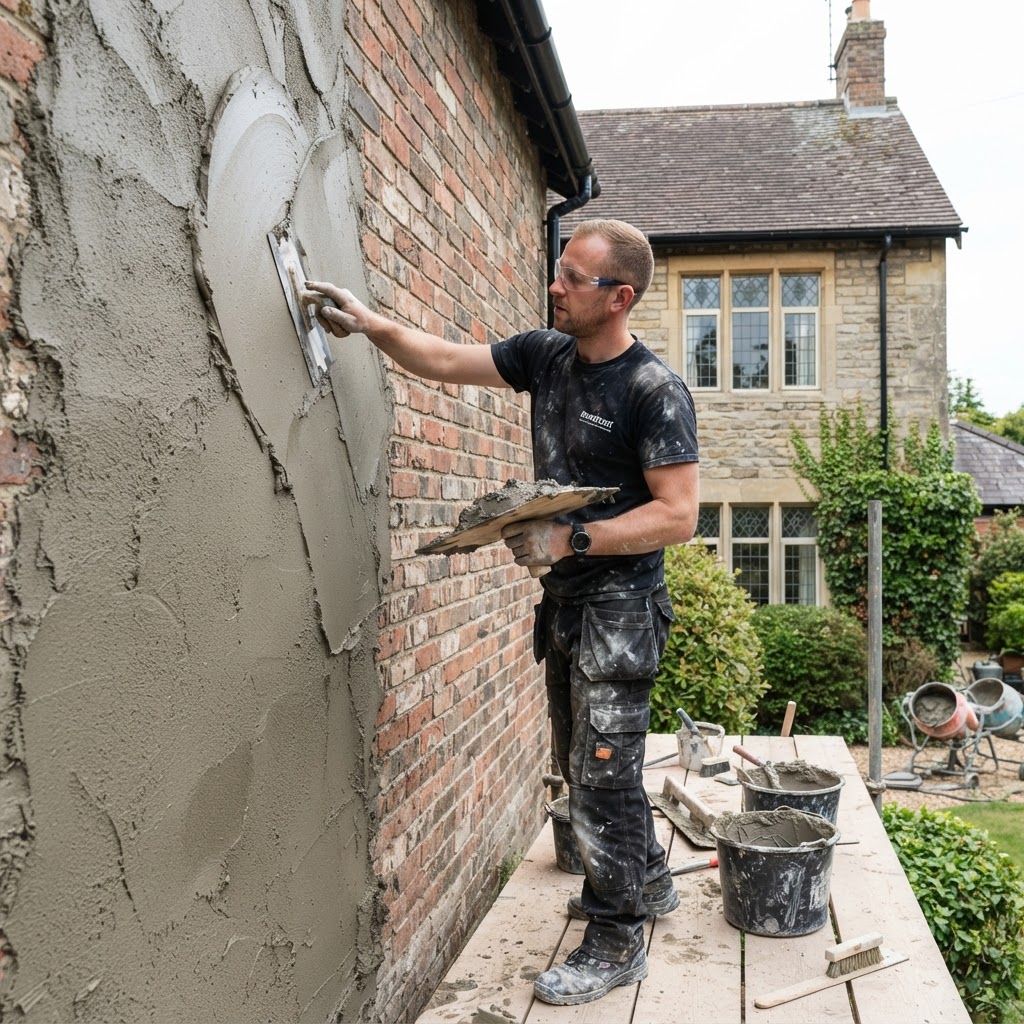
In UK terms, a "stucco contractor" is essentially an external plastering or rendering specialist — someone trained to apply, repair, or replace the protective and decorative coating on the outside of a building. This could involve traditional sand and cement render, modern monocouche systems, silicone or acrylic renders, pebbledash, or lime render on period properties.
You'll typically need one of these specialists when:
- Existing render is cracking, bulging, or sounds hollow when tapped
- Damp patches appear on internal walls that back onto rendered exterior walls
- You're renovating a period property and want to match or restore original lime render
- You're extending a property and need the new brickwork rendered to match
- Pebbledash or textured render is outdated and you want a smoother, modern finish
- Render has blown (separated from the brickwork beneath) after years of weather exposure
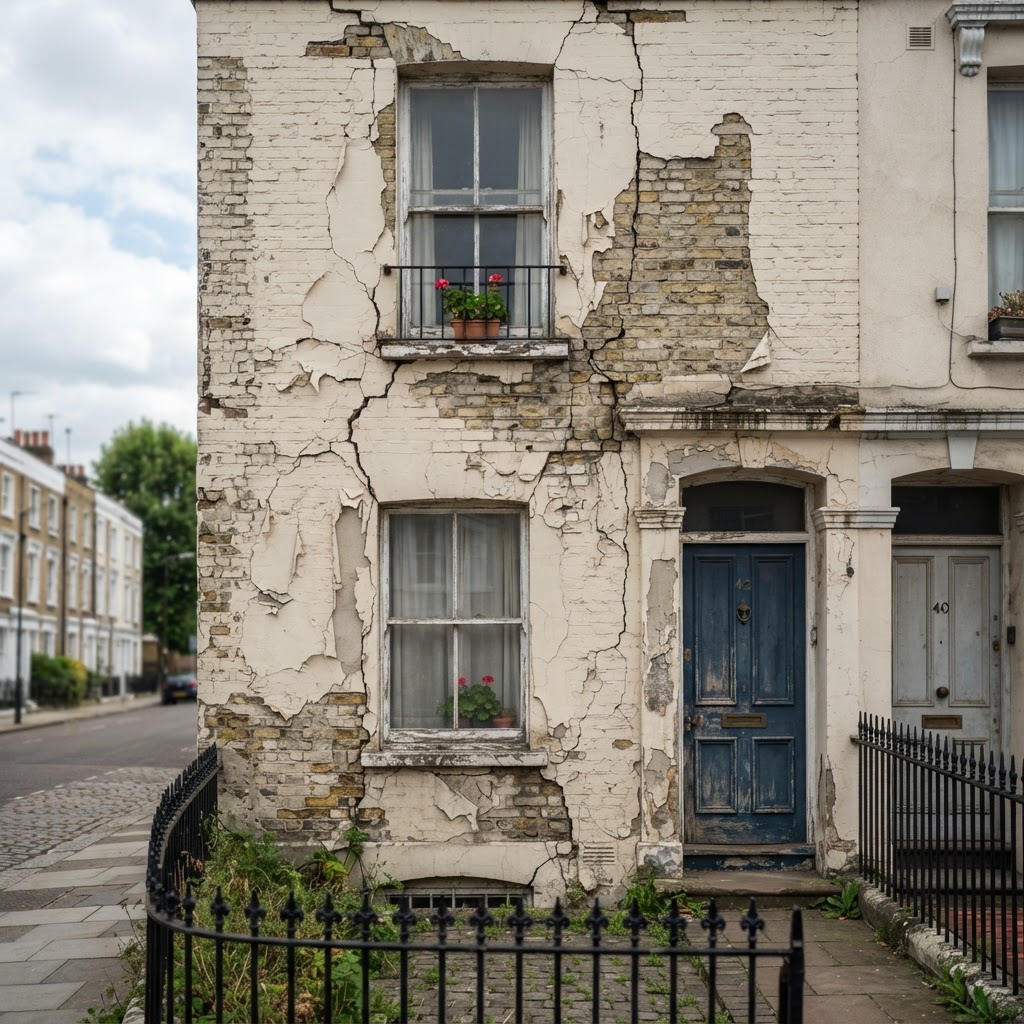
Render problems rarely fix themselves, and left unchecked, water ingress behind failing render can damage brickwork, insulation, and internal plaster. If you're noticing any of these signs, it's worth getting a professional assessment sooner rather than later.
![Exterior wall of a London terraced house showing cracked and peeling(/blog/plasterers-in-my-area-finding-the-right-london-expert) render in need of repair]
What to Look for in a Plasterer or Render Specialist
Not every plasterer does exterior rendering, so it's worth being specific when searching for "stucco contractor near me" locally. Here's what separates a reliable specialist from a risky hire:
Relevant experience with render systems. Rendering is a different skill set from internal skimming — ask whether the contractor has experience with the specific type of render your property needs, whether that's traditional sand and cement, modern monocouche, or lime render for period properties.
Familiarity with London property types. Victorian and Edwardian properties often have solid walls that need breathable lime-based renders rather than modern cement-based systems, which can trap moisture and cause long-term damage. A contractor who understands the difference will recommend the right system for your property's age and construction.
Clear, itemised quotes. A trustworthy contractor should break down labour, materials, and any scaffolding or access costs rather than giving a vague lump sum.
Evidence of previous work. Photos of completed projects, ideally on similar properties to yours, give a good indication of finish quality and attention to detail.
Good communication and punctuality. How quickly someone responds to your initial enquiry and how clearly they explain the process often reflects how the job itself will be managed.
Types of Plastering and Rendering Work Covered
A well-rounded plastering team should be able to handle both external and internal work, since the two are often connected (damp render outside frequently shows up as damaged plaster inside). Services typically include:
- External rendering and re-rendering, including repairs to cracked or blown sections
- Pebbledash removal and replacement with modern render finishes
- Lime plastering and lime rendering for period and listed properties
- Wall skimming for smooth, paint-ready internal walls
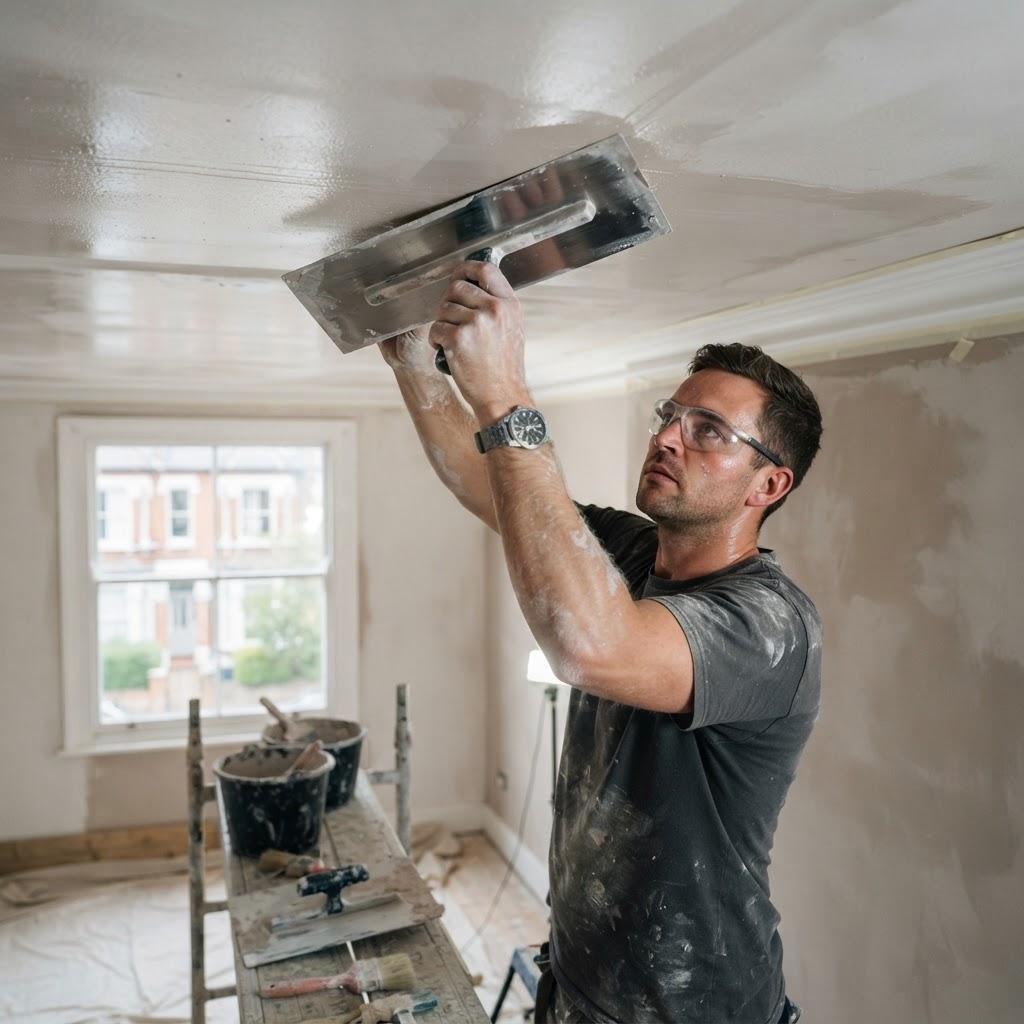
- Ceiling plastering and ceiling repairs, including fixing sagging or cracked ceilings
- Patch repairs for small areas of damaged plaster or render
- Full room re-skims and full house replastering for renovations
- Artex covering, where old textured ceilings are skimmed over for a modern flat finish
- Dry lining and plasterboarding for new walls, extensions, or stud partitions
- Decorative plastering and cornicing to restore or replicate period features
- Insulated plasterboard installation to improve thermal performance on cold external walls
If your project involves both the outside render and internal plaster damage caused by it, choosing a company that handles both saves you from coordinating two separate trades.
Questions to Ask Before Hiring
Before agreeing to any work, it's worth asking the following:
- What type of render or plaster system do you recommend for my property, and why? This shows whether they understand your property's age and construction.
- How long will the job take, including drying time? Render and some plaster systems need curing time between coats, so a realistic timeline matters.
- Will you need scaffolding or access equipment? This affects both cost and how long the external parts of your property are affected.
- What preparation work is included? Removing old, failing render properly is as important as applying the new coat.
- How soon can you start? Especially useful if you've got damp getting worse or a sale/renovation deadline.
- Do you cover my borough? Not all local tradespeople travel across London, so confirm coverage early.
A contractor who answers these clearly and confidently, without rushing you into a decision, is generally a good sign.
Common Plastering Jobs in London Properties
London's housing stock is a genuine mix of eras, and each brings its own typical plastering challenges:
Victorian terraces often have solid brick walls with lime-based plaster and render. These properties need breathable materials — modern gypsum plaster or cement render applied incorrectly can trap moisture and cause damp problems over time.
Edwardian semis frequently feature decorative cornicing and ceiling roses that homeowners want preserved or restored during renovations, alongside standard wall and ceiling plastering.
Pebbledash exteriors, common across many 20th-century London suburbs, are often removed and replaced with smoother, more contemporary render finishes as part of a wider renovation.
Modern flats and new-build extensions typically need plasterboarding and skimming for a quick, clean finish, along with dry lining for stud walls and partitions.
Converted properties — where a house has been split into flats — often need patch repairs and ceiling work where pipework or wiring has disturbed the original plaster.
Whatever era your property falls into, understanding these common patterns helps you brief a contractor accurately and get a more precise quote.
When You Need a Professional Plasterer
Some small plaster repairs, like filling a minor hairline crack, can be a reasonable DIY job for a confident homeowner. However, most rendering and plastering work is best left to professionals, particularly when:
- The work is external and involves working at height
- There are signs of damp or water ingress behind the render
- The property is period or has lime-based construction requiring breathable materials
- Large areas of wall or ceiling are affected
- You need the finish to match existing decorative plasterwork, such as cornicing
- The job involves structural considerations, such as render that's pulling away from brickwork
Getting these jobs wrong can be expensive to fix twice, so for anything beyond small cosmetic touch-ups, it's worth bringing in an experienced plasterer.
How to Get a Quote Quickly
Getting an accurate quote doesn't need to be a slow process. The quickest way to move forward is to:
- Take a few clear photos of the affected area, inside and out if relevant
- Note roughly when the damage or issue first appeared
- Mention your property type (Victorian terrace, Edwardian semi, modern flat, etc.)
- Confirm your borough so coverage and access can be assessed accurately
- Call or message with these details for a faster, more accurate estimate
London Plastering Service has been working across all 32 London boroughs for over 20 years, handling everything from small patch repairs to full house replastering and external rendering. With a 4.9-star reputation built on reliable, family-run service, the team can typically provide a free quote within 60 minutes of getting in touch, and appointments are available Monday to Friday, 7am to 7pm, and Saturday, 8am to 5pm.
If you're dealing with cracked render, damp patches, or any plastering issue and want a straightforward answer from a local specialist, call +44 7460 892826 or email office@londonplasteringservice.com to get started.
FAQ About Hiring a Plasterer
What is a stucco contractor near me and when is it needed? In UK terms, this usually means a local rendering or external plastering specialist. You'd typically need one when exterior render is cracking, bulging, or allowing damp through to internal walls, or when renovating a property and updating or restoring its exterior finish.
How much does render or plastering work cost in London? Costs vary significantly depending on the size of the area, the type of render or plaster system used, whether scaffolding is needed, and the property's accessibility. It's best to get a tailored quote based on photos and details of your specific job rather than relying on generic figures.
How long does rendering or plastering work take? Small patch repairs might be completed in a day, while full external rendering or full house replastering can take several days to a couple of weeks, partly due to drying and curing time between coats. Your contractor should give you a realistic timeline once they've assessed the job.
Can I do this myself or should I hire a professional? Small internal cosmetic repairs may be manageable for a confident DIYer, but external rendering, large areas of damage, and period properties with lime-based construction generally require a professional to avoid costly mistakes and ensure a durable, correctly matched finish.
How quickly can a plasterer start work? This depends on the contractor's current workload and the scope of your job, but many local plastering companies can offer a quote within an hour of contact and schedule straightforward jobs within a week or two.
Do you cover my area of London? London Plastering Service covers all 32 London boroughs, from Victorian terraces in Hackney to modern flats in Croydon, so wherever you're based, local coverage shouldn't be an issue.
If you're ready to move forward, get in touch with London Plastering Service today for a free, fast quote and a team that genuinely understands London's varied housing stock.
Related Plastering Guides & Services
Need Professional Plastering?
Get expert plastering services in London. Free quotes within 60 minutes.