
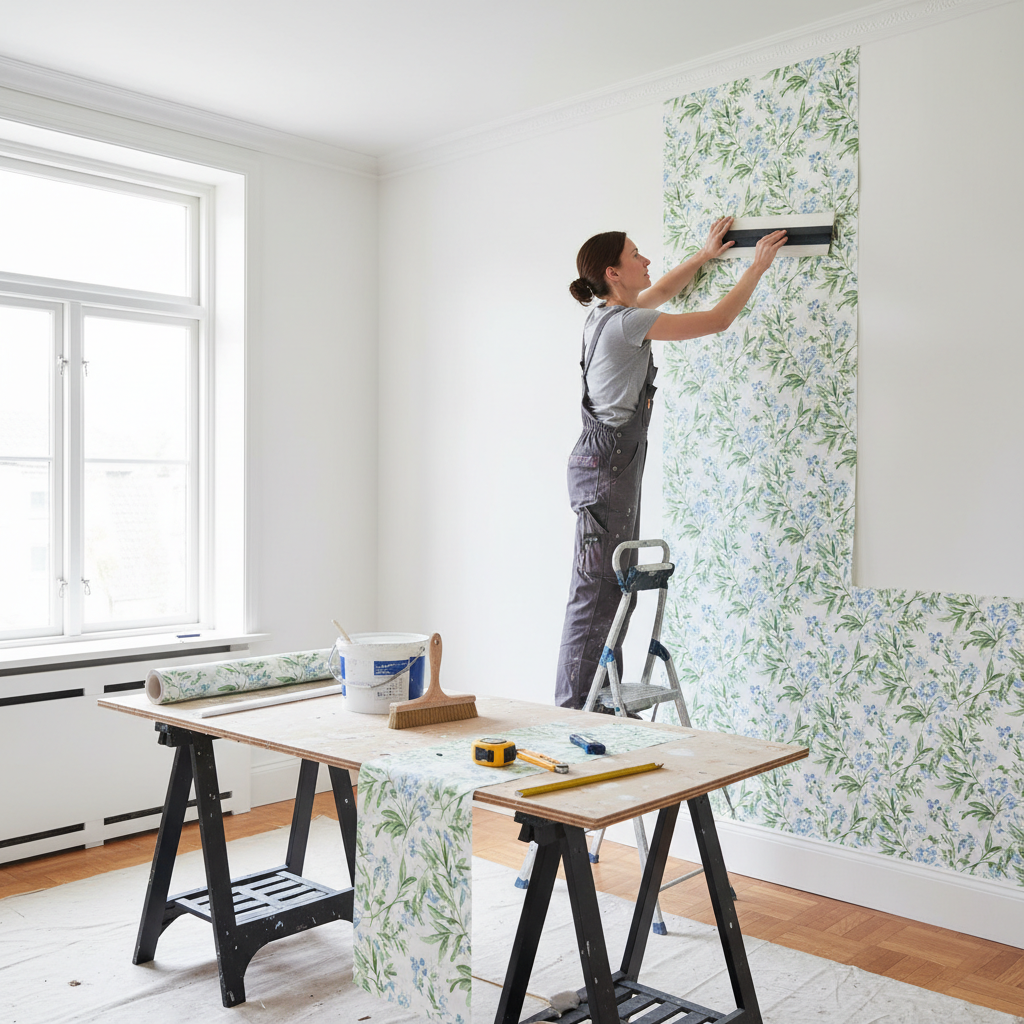
Your Ultimate Guide to Wallpapering Over New Plaster
The Reality of New Plaster
Imagine this: you’ve just completed a renovation on your charming Victorian flat in Islington, exposing the raw brilliance of its new plaster walls. You're thrilled, until it dawns on you—what’s next? Wallpapering seems the perfect way to bring colour and texture into your home. But how do you ensure a smooth, professional finish on that immaculate plaster?
The truth is that wallpapering over new plaster can be a tricky business, but approaching it correctly can lead to stunning results. In this article, we’ll guide you through the ins and outs of wallpapering new plaster, ensuring you can showcase the beauty of both your walls and your living space.
Steps to Wallpaper Over New Plaster
1. Prepare the New Plaster
Preparation is paramount when wallpapering. New plaster is often porous, so you need to ensure it’s ready to accept wallpaper.
Key Steps:
- Cure the Plaster: Leave the newly plastered surface to dry for at least 2-4 weeks to ensure it’s fully cured.
- Clean the Surface: Dust and dirt can ruin your wallpaper. Use a damp cloth or sponge to wipe down the surfaces.
- Seal the Plaster: Applying a primer or sealer specifically designed for new plaster will help to stabilise the surface, preventing the wallpaper adhesive from drying too quickly.
Recommended Products:
- PVA Primer: Costing around £10-£20 for a decent-sized container, a PVA primer can work wonders to prepare your plaster.
2. Choose Your Wallpaper Wisely
Not all wallpapers are created equal, especially for freshly plastered surfaces. Opt for wallpapers that can handle humidity or that have a breathable design.
Consider:
- Weight of the wallpaper: Heavier wallpaper requires stronger adhesive.
- Type: Vinyl or fabric wallpapers are often more forgiving on newly plastered surfaces than paper ones.
3. Gather Your Tools
Before jumping in, make sure you have all necessary tools at your fingertips:
- Wallpaper paste (around £10-£30)
- Wallpaper brush
- Seam roller
- Sharp cutter
- Straight edge
- Sponge for smoothing
- Ladder (for high ceilings)
4. Measure and Cut
Carefully measure each wall where you’ll apply the wallpaper. It’s crucial to cut your wallpaper strips accurately to avoid waste.
5. Apply Wallpaper Paste
Using the brush, spread adhesive evenly across the back of the wallpaper, or directly onto the wall if you prefer.
6. Hang the Wallpaper
Start at the top of your wall and gradually hang down. Make sure to align patterns and ensure there are no air bubbles.
Useful Tips:
- Use a plumb line to ensure your wallpaper is straight.
- If using patterned wallpaper, pay extra attention to aligning repeats.
- Smooth out bubbles with a sponge or a brush.
7. Trim Excess
Once the wallpaper is on, use your straight edge and cutter to trim excess at the top and bottom.
8. Final Touches
If you notice any bubbles, use a pin to prick them and gently smooth them out. Let the wallpaper dry as per the manufacturer's instructions before moving furniture back in or decorating around it.
Practical Tips for Homeowners
Here are additional practical tips to make your wallpapering experience as smooth as possible:
- Work in Natural Light: This helps you see any imperfections more clearly.
- Enlist Help: If you’re tackling a large room, having an extra pair of hands can make measuring and hanging wallpaper much easier.
- Check for Electric Work: Ensure all electrical outlets and switches are accessible and take care when wallpapering near them.
For seamless plastering services, don’t hesitate to check out London Plastering Service for professional help.
FAQ
How long should I wait to wallpaper after plastering?
It’s best to wait at least 2-4 weeks for the plaster to fully dry before wallpapering. This ensures a proper bond between the wallpaper and the wall.
What type of wallpaper is best for new plaster?
Vinyl or fabric wallpaper is recommended for new plaster due to their breathable properties. They can better handle moisture and prevent issues like peeling.
Can I use regular wallpaper paste on new plaster?
No. It’s advised to use a paste that is specifically designed for freshly plastered surfaces to ensure optimal adhesion and avoid issues.
How can I tell if my plaster is fully dry?
You can check the plaster's dryness by feeling the surface; it shouldn't be cold to touch or damp. Additionally, look for a consistent colour throughout the plaster.
Can I hire professionals for wallpapering?
Absolutely! Hiring professionals from London Plastering Service makes the process quicker and ensures high-quality results. Check our Gallery to see our completed projects.
Conclusion
Wallpapering over new plaster can be a daunting task, but with the right preparation and techniques, it can also be a rewarding DIY project. Remember to take your time during each step, from prepping the surface to choosing the right materials. If you still feel overwhelmed, don’t hesitate to reach out to a professional plastering team like us at London Plastering Service. We’re here to help with all your plastering and finishing touches to ensure your home looks absolutely stunning. Ready to get started? Contact us today for a consultation!
Related Plastering Guides & Services
Need Professional Plastering?
Get expert plastering services in London. Free quotes within 60 minutes.