
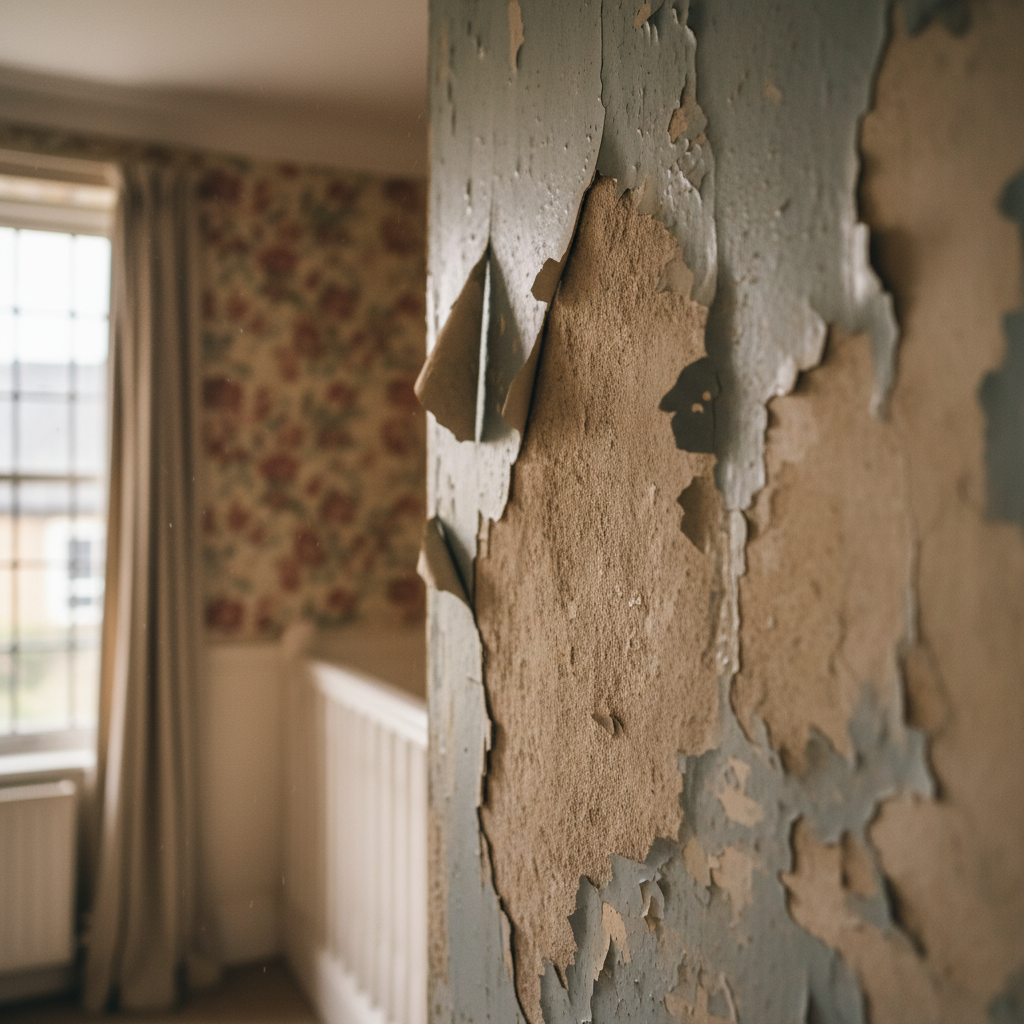
Why is My Plaster Wall Soft and Crumbling?
Why is My Plaster Wall Soft and Crumbling?
Imagine walking through your cozy London home, only to notice a patch of plaster on the wall that feels alarmingly soft to the touch. You push gently and, to your horror, a small flake crumbles away. It’s a scene that can send any homeowner into a panic. What’s going on? Why is your plaster wall deteriorating?
If you’re dealing with soft and crumbling plaster walls, you’re not alone. Many London homeowners face this issue, often unaware of the underlying causes or their best solutions. This comprehensive guide will help you understand why your plaster wall might be suffering and offer practical steps to restore its integrity.
Understanding Plaster Walls
Before we delve into the nitty-gritty details of why your plaster wall is degrading, it’s essential to understand what plaster is and how it functions.
Plaster is a building material used for coating walls and ceilings, typically made from a mixture of lime, sand, and water. When applied properly, plaster provides a smooth finish and excellent durability. However, various factors can compromise its integrity:
- Moisture penetration
- Poor application techniques
- Aging and wear
- Structural movement
Understanding these factors will help you diagnose the problem with your own walls.
Common Causes of Soft and Crumbling Plaster
1. Moisture Damage
One of the primary reasons for soft and crumbling plaster is moisture. When water seeps into the plaster, it can weaken the material, leading to soft spots and ultimately causing sections to crumble. This can occur due to:
- Roof leaks
- Condensation
- Dampness in external walls
2. Poor Initial Application
Have you recently renovated or installed new plaster in your home? If the plaster was not applied correctly—whether due to mixing issues, improper curing, or application techniques—it may not bond well to the wall. This poor adhesion can manifest as soft and crumbling patches over time.
3. Age and Wear
Like many materials, plaster has a lifespan. If your home is older (think Victorian homes in areas like Islington or historic properties near Kensington), the plaster may have simply aged due to wear and tear from environmental factors.
4. Structural Movement
If your home settles or shifts, this can severely impact plaster walls. Cracks may form, allowing moisture to enter and lead to deterioration. Homes in areas like East London, built on reclaimed land, may be particularly prone to this issue.
Practical Tips for Addressing Soft and Crumbling Plaster
Now that you’re aware of the common causes, let’s discuss how to tackle the problem.
Step 1: Identify the Source of Moisture
- Inspect for leaks: Check your roof, gutters, and plumbing for potential leaks.
- Use a moisture meter: Invest in a moisture meter to check damp readings.
- Look for signs of mold: Discoloured areas may indicate moisture intrusion.
Step 2: Repair the Damage
For minor damage, you may be able to repair soft plaster yourself:
- Remove loose plaster: Carefully scrape away any areas that are crumbling.
- Repair with plaster compound: Use a pre-mixed plaster repair compound. For approximately £15-£30 per tub, you can fill any holes and smooth out the area.
- Properly sand and prime: Once the compound has dried (typically 24 hours), sand it smooth and apply a suitable primer before repainting.
Step 3: Prevent Future Issues
- Address moisture issues immediately: Fix leaks and address dampness at the first signs.
- Ensure good ventilation: Improve airflow in rooms, particularly kitchens and bathrooms, to prevent condensation buildup.
- Consider professional help: For significant damage, consult a professional plasterer or damp specialist. Our team at London Plastering Service can assess and address the problem comprehensively.
FAQ
Why is my plaster wall soft and crumbling?
Soft and crumbling plaster walls are often caused by excess moisture, poor installation, age, or structural movement. Identifying the root cause is essential for effective repair.
Can I fix soft plaster walls myself?
Yes, minor repairs can be done by homeowners. Scrape away the damaged plaster, apply plaster repair compound, and ensure proper drying and sealing.
What signs should I look for to determine if I need professional help?
If you notice large sections of crumbling plaster, persistent dampness, or cracks that seem to widen, it's best to consult with professionals like our About team to evaluate and resolve the issue.
How long does plaster last?
With proper installation and maintenance, plaster can last for decades. However, its lifespan can be reduced due to moisture damage or structural issues, especially in old London homes.
How can I prevent plaster damage in the future?
Regular maintenance, immediate repairs of any moisture intrusion, and ensuring proper ventilation and insulation can help protect your plaster walls.
Conclusion
A crumbling plaster wall can be a source of distress for any homeowner. Knowing that you’re not alone in this struggle and understanding the potential causes and solutions can ease those worries. If you’re looking to prevent further damage and restore the integrity of your walls, don’t hesitate to contact our experts today!
Explore our gallery for inspiration from completed projects or visit our blog for more tips on maintaining your home. Remember, a well-maintained wall is the heart of a beautiful home!
Related Plastering Guides & Services
Need Professional Plastering?
Get expert plastering services in London. Free quotes within 60 minutes.