
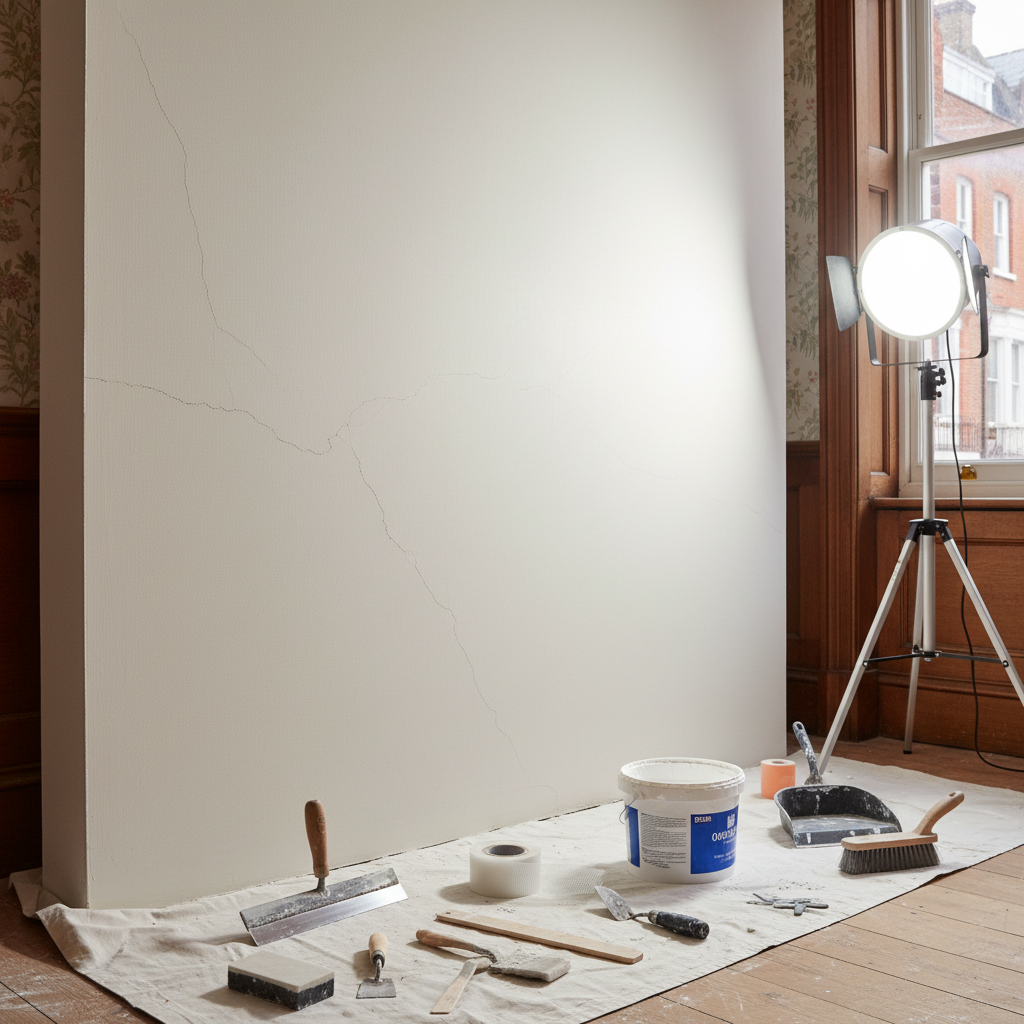
Why is My New Plaster Cracking After 2 Weeks?
Why is My New Plaster Cracking After 2 Weeks?
Imagine this: you’ve just finished an extensive renovation in your charming Victorian home in Clapham, and the freshly applied plaster is drying beautifully—until you notice those horrifying cracks appearing two weeks later. What went wrong?
Unfortunately, experienced plasterers often see this happen, and it can cause significant concern for homeowners, landlords, and property managers. This blog will delve deep into the reasons behind plaster cracking within two weeks and how you can address these issues effectively.
Understanding Plaster and Why It Cracks
Before we jump into the reasons why your plaster may crack, let’s take a moment to understand what plaster is made of. Plaster is a blend of water, an aggregate (like sand), and a binding agent (gypsum or cement). The drying process is critical, and any disruption can lead to cracking. But why does it happen, especially two weeks after application? Here’s a detailed look:
Common Causes of Cracking
-
Rapid Drying
Plaster can be quite sensitive to its drying environment. If your home has central heating or is affected by drafts, the surface of the plaster may dry faster than the inner layers, leading to cracking.- Tip: Maintain a consistent room temperature between 15°C to 21°C during the drying period.
-
Improper Mixing
If the plaster was mixed incorrectly—with too much water or too little—this can weaken the structure, causing cracks as it dries.- Tip: Follow the manufacturer’s guidelines on mixing ratios to ensure a solid application.
-
Substrate Issues
Old, unstable, or previously treated walls can interfere with newly applied plaster, leading to adhesion problems and subsequent cracking.- Tip: Always check the wall condition before plastering.
-
Lack of Curing Time
Skipping the necessary curing time can result in uneven drying and cracking. Plaster should ideally cure slowly to avoid stress fractures.- Tip: Allow for adequate time between layers if multiple coats are involved.
-
Environmental Factors
High humidity, temperature fluctuations, and even exposure to direct sunlight can all affect how plaster sets and dries.- Tip: Use fans or dehumidifiers to create a stable environment.
Practical Tips to Address Cracking Issues
If you’ve noticed cracks in your new plaster, don’t panic. Here’s a step-by-step guide on how to assess and fix the issue:
Step 1: Evaluate the Cracks
- Surface vs. Structural: Are the cracks only on the surface or do they extend deep into the plaster?
- Size Matters: Hairline fractures can often be fixed with surface treatments, while larger fissures may need more extensive repairs.
Step 2: Identify the Cause
- Take note of environmental conditions. Was it too hot or too cold?
- Review the mixing process; did it align with the appropriate standards?
- Assess the wall surface for stability and moisture presence.
Step 3: Repair the Damage
- For small cracks, clean the area and apply a flexible filler or patching compound.
- For deeper cracks, you may need to remove the compromised plaster and apply a new layer. Ensure proper mixing and curing time for better results.
- Pricing Tip: Expect to spend approximately £50 to £100 for a professional to repair cracks depending on severity and local costs.
Step 4: Prevent Recurrence
- Maintain an ideal environment for drying plaster. Control humidity and temperature carefully.
- Regular checks on your plaster can ensure you catch any issues early.
FAQ
1. How long should I wait before painting over new plaster?
It’s best to wait at least 4 to 6 weeks before painting over new plaster. This allows enough time for the plaster to cure properly and avoid any paint peeling.
2. Can I use a fan to speed up the drying of plaster?
Yes! A gentle fan can help keep air circulation stable, but be cautious not to direct it straight at the plaster. It can cause rapid surface drying and lead to cracking.
3. Is it normal for plaster to crack during the drying process?
Some slight cracking can be normal as the plaster dries, but large cracks after only a week or two are usually indicative of underlying issues. It’s advisable to inspect and potentially consult a professional plasterer.
4. What should I do if the cracks are extensive?
If cracks appear extensive, consider reaching out to professionals like London Plastering Service for a thorough inspection and repair advice.
5. How can I find reliable plasterers near me?
You can easily find local plasterers in your area by visiting our PlasterersNearMe page, where you can view qualified professionals available for hire.
Conclusion
Discovering cracks in new plaster can be frustrating, especially after investing time and money into your home restoration. However, understanding the potential causes and implementing the right solutions can help ensure a smooth finish for your walls. For more advice on plastering techniques and home renovations, don’t hesitate to browse our Blog or check out our Gallery for inspiration.
Need professional help? Our expert team at London Plastering Service is just a call away, ready to assist with all your plastering needs across London. Don’t let cracking plaster ruin your home—contact us today for a consultation!
Related Plastering Guides & Services
Need Professional Plastering?
Get expert plastering services in London. Free quotes within 60 minutes.