
Why Does Plaster Turn Pink When Drying? Expert Insight
Understanding the Pink Plaster Phenomenon
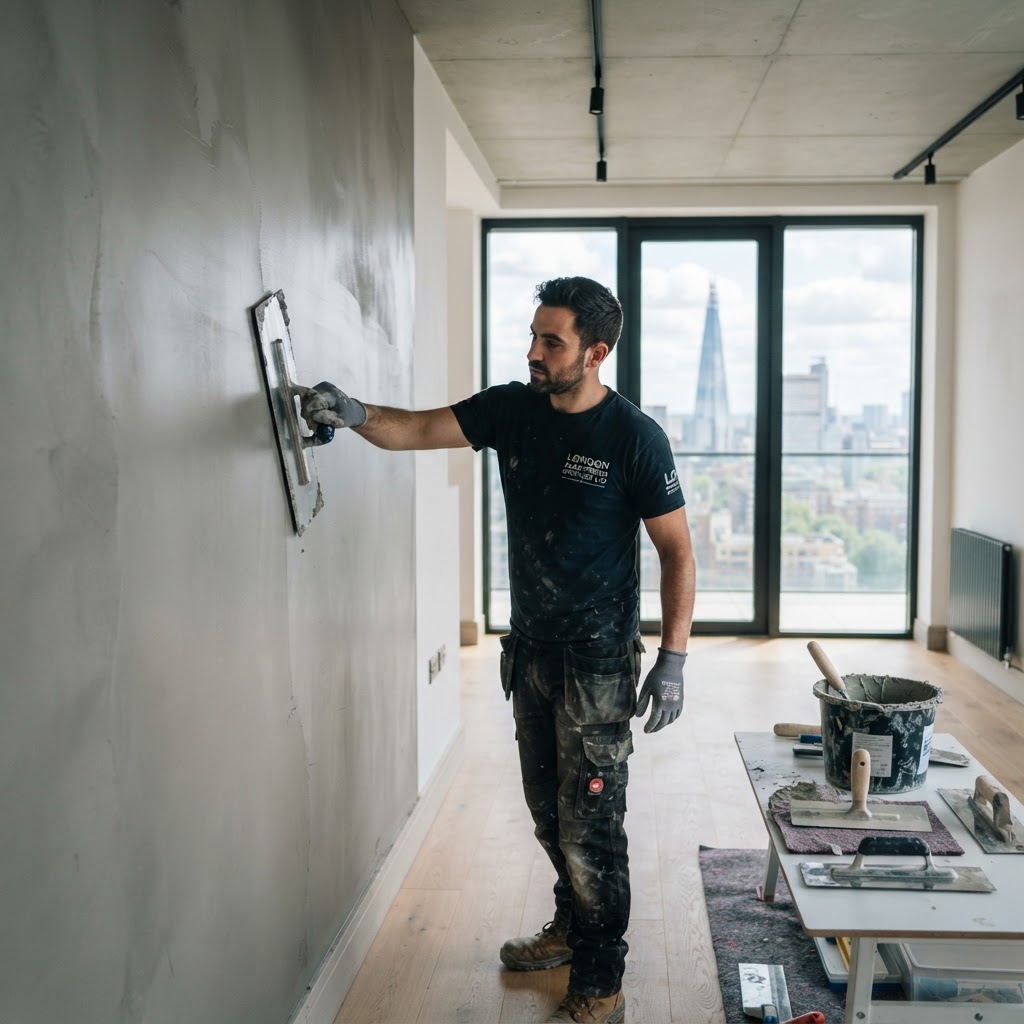
If you have recently undertaken home renovations—perhaps working with a professional plasterer London to refresh your interiors—you may find yourself staring at walls that have transitioned to a distinct, uniform pink hue. For homeowners residing in historic Victorian terraces in Wandsworth or modern apartments in Islington, this colour shift often triggers alarm. However, the pink hue is not a sign of a chemical defect or a failed batch; it is a fundamental, healthy stage of the gypsum curing process.
The Science Behind the Gypsum Dehydration
To understand the transition, we must look at the chemistry of gypsum-based multi-finish plasters. When first applied to your walls, the material is a heavy, dark, moisture-laden grey or brown substance. As the chemical reaction known as hydration reaches equilibrium, the material begins to shed its water content. The pink tone that emerges is the natural aesthetic of the calcium sulfate hemihydrate as it undergoes crystalline transformation.
This phenomenon is particularly noticeable because of the translucency of gypsum. As the water evaporates, the light refraction of the surface changes, revealing the underlying pink pigment inherent in the refined gypsum rock. This is a sign that the wall is 'breathing' and expelling moisture into the room’s atmosphere.
The Mechanics of Patchy Pink Patterns
It is common for the wall to dry in an irregular, mottled pattern. You might see light pink spots emerging while other areas remain a dark, sodden brown. This uneven drying is rarely a cause for concern and usually stems from three primary physical factors:
- Variable Application Thickness: In older properties in areas like Kensington or Chelsea, walls are rarely perfectly plumb. A plasterer may apply a thicker coat of multi-finish to even out a bulge, and these deeper sections contain more water, taking significantly longer to cure than the surrounding thin patches.
- Substrate Absorption Rates: If you are plastering over a mix of porous old brickwork and modern, factory-smooth plasterboard, the moisture pull will be inconsistent. Masonry draws moisture out of the wet plaster aggressively, while plasterboard or thermal boards behave like a seal, forcing the plaster to dry exclusively via surface evaporation.
- Localised Microclimates: Homes in drafty, high-ceilinged areas like Camden often experience 'cold spots' or 'wind tunnels' near original sash windows. These pockets of moving air accelerate surface drying in specific, linear patterns, leading to stark colour contrasts.
Expert Plastering Services and Costs in London 2026
Navigating the plastering costs London market in 2026 requires an understanding of how labour and material scarcity impact your quote. With the increased demand for high-end residential refurbishments, professional services have moved to premium pricing models to ensure quality. A standard wall skimming London project—where a 3mm coat of plaster is applied over existing surfaces—now typically ranges between £250 and £450 per room, depending on the ceiling height and number of fixtures like light switches and skirting boards.
For those managing heritage assets, our ceiling plaster repair London services are essential. We specialize in reinforcing lath and plaster ceilings, which often require traditional bonding agents that differ significantly from modern skimming techniques. Furthermore, for those looking to erase the aesthetic 'sins' of the 1970s, our artex covering London solutions involve a two-stage process: scraping back high points and applying a thick, stable base coat before the final skim, ensuring a glass-smooth finish.
Detailed 2026 Price Guide (Greater London)
- Small Room/Box Room Skimming: £250 - £350 (Includes prep and corner beads).
- Large Master Bedroom (Walls & Ceiling): £600 - £900 (Depends on surface condition).
- Full house replaster London: £3,500 - £7,000+ (Highly variable based on room count and building age).
- Dry lining London installation: £20 - £35 per sqm (Includes insulation upgrades).
- Emergency Call-outs: From £150 for the first two hours to address leaks or localized damage.
For emergency situations, our emergency plaster repair London team serves the entire M25 area, focusing on stabilizing water-damaged walls and ceilings before mould can set in.
Advanced FAQ: Plaster Drying Questions
Q: Should I use a heater to make the pink plaster dry faster?
A: Absolutely not. We frequently see DIY enthusiasts attempt to 'hurry' the process with portable electric fan heaters or hair dryers. This creates a skin on the surface of the plaster while the interior remains saturated. This mismatch in drying rates leads to 'shrinkage cracks' and, in severe cases, the plaster will delaminate from the wall entirely. Let it breathe naturally at room temperature.
Q: Can I paint while it is still pink?
A: Never. Painting over pink or 'damp' plaster will create a vapour barrier. The residual moisture trapped behind the paint layer will have nowhere to go, leading to 'blistering,' where the paint peels off in sheets within weeks. Wait for the uniform, pale bone-white finish before even considering a mist coat.
Q: How long does it take to dry fully?
A: In typical London humidity, a 3mm skim usually takes 3 to 7 days. However, in cooler, poorly ventilated spaces, this can extend to 14 days. If the room is cold, keep a window cracked open—not wide—to maintain consistent airflow without sudden temperature spikes.
Q: Does the color return to grey?
A: No. Once the gypsum has fully cured, it loses its greyish, raw-material tint and settles into a consistent, light peach, bone-white, or ivory colour. If the wall stays grey for more than two weeks, it is likely that the wall is still holding significant moisture, indicating a potential leak or ventilation issue.
Q: How do I know if the plaster is too wet for the mist coat?
A: Use a simple touch test and a visual inspection. If the wall feels cold to the touch or appears significantly darker at the base of the wall, there is still active moisture. Professionals often use a moisture meter; if you are doing it yourself, be patient and wait for a consistent, chalky white appearance across the entire surface area.
Q: Does plaster type affect the drying time?
A: Yes. Lightweight plasters or 'Thistle' finish products dry slightly differently than traditional lime-based plasters. Lightweight plasters are designed to be more porous, which helps in the drying process, but they are also more susceptible to surface abrasion until they fully cure.
Conclusion
Seeing your walls turn pink is a sign that your renovation is progressing exactly as it should—the gypsum is curing, and your walls are hardening. Whether you need a quick patch repair for a hole in the hallway or a complete, floor-to-ceiling transformation of a historic property, trust the experts at London Plastering Service to deliver a flawless, high-quality finish every time.
Ready to transform your home? Contact us today for a free, no-obligation quote and get your walls finished to a professional standard.
Related Plastering Guides & Services
Need Professional Plastering?
Get expert plastering services in London. Free quotes within 60 minutes.