
Why Does Plaster Go Pink When Drying? Find Out Here!
Understanding Plaster Color Changes: The Pink Dilemma
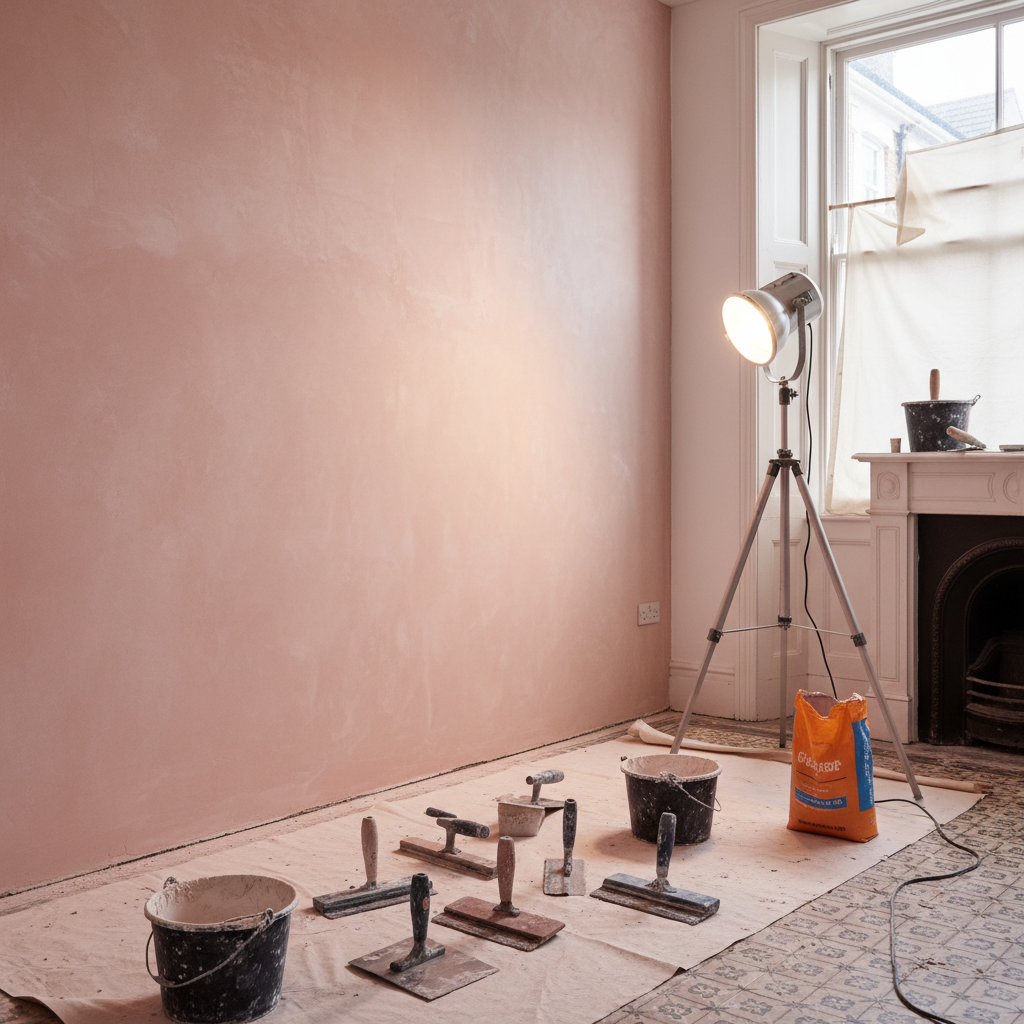
Have you ever walked into a freshly plastered room and noticed a peculiar sight? The soft, white finish you expected instead has transformed into a startling shade of pink. At first glance, it may seem like an unfortunate mistake or even a trick of the light. But fear not! It’s perfectly normal, and there’s a fascinating scientific explanation behind it.
As a London homeowner, you might find yourself puzzled when dealing with home renovation projects. The pink hue, which can be startledly vibrant, is caused by the type of additives in the plaster mix used—additives that change the plaster from a paste to a hardened finish.
In this blog post, we'll explore why this color change occurs during the drying process and provide you with actionable tips on how to manage your plastering projects effectively, ensuring your home in Borough or Hammersmith looks impeccable.
The Science Behind the Pink Color
Plaster typically comes in a beige or grayish-white color in its dry state. However, once applied and exposed to air, certain types of plaster—including Thistle and Gyproc—can turn pink as they cure. The key factors include:
- Chemical Reaction: Many modern plasters are designed with additives to improve strength and drying time. Some of these additives react with moisture and air when the plaster is initially mixed, resulting in a pink tint.
- Moisture Absorption: As the plaster starts to dry, it absorbs moisture from the air, which can intensify the pink color temporarily. Once the plaster dries completely, it will revert back to a standard hue.
When hiring professionals for your plastering needs in London, it’s beneficial to ask about the specific materials they use, especially if you’re aiming for a particular aesthetic in your home.
How to Manage the Pink Color in Your Home
Now that we understand the science behind the color transition, let’s touch on practical tips for managing plaster projects:
- Combine With a Primer: To minimize the appearance of the pink color, consider applying a coat of primer before painting. This not only conceals the pink but also ensures an even finish.
- Choose the Right Time to Paint: Wait until the plaster has dried fully before painting—typically 1-2 days. This can prevent any reactions that may hinder the paint’s adherence.
- Watch the Environment: Keep your home’s humidity levels controlled during the drying period. High humidity can prolong drying times and intensify color changes.
- Professional Services: Consider hiring a professional plastering team like London Plastering Service who can provide guidance on the best materials and techniques to avoid excessive color change.
The Importance of Quality Plastering
Plastering isn’t just about aesthetics; it affects the entire integrity and insulation of your walls. High-quality plaster will ensure:
- Better thermal performance
- Enhanced durability against cracks and peeling
- An overall more polished finish that buyers appreciate if you're considering selling your home in Islington or Chelsea.
For more tips, check our blog for plastering guides and learn about various plastering techniques tailored for London homes.
FAQ
Why does new plaster look different as it dries?
When plaster dries, it undergoes a chemical reaction where moisture escapes, leading to various colors, often pink, due to reactive additives. As it hardens, it typically reverts to its original color.
How long does it take for plaster to dry completely?
Plaster usually takes 1-2 days to dry completely, depending on environmental conditions like humidity and air circulation.
Can I paint over pink plaster?
It’s best to wait until the plaster has dried completely and the pink color has subdued. Then, apply a primer before painting to ensure an even finish.
What should I do if plaster is not drying evenly?
If you encounter issues with uneven drying, ensure your room is well-ventilated and humidity levels are controlled. If problems persist, contact a professional plasterer for an assessment.
Where can I find local plasterers in my area?
For local plasterers, visit our PlasterersNearMe service to find trusted professionals nearby who can assist with your project.
Conclusion
Understanding why plaster goes pink when drying can save you from potential frustration and mishaps in your home renovation project. Knowing how to manage the drying process can enhance the outcome and appearance of your plastered walls. Don’t shy away from seeking professional help!
If you’re in need of top-notch plastering services or have any questions, reach out to us at London Plastering Service to get started on your project today! We are proud to serve various neighborhoods, ensuring that your home looks its absolute best.
Remember, effective plastering leads to beautiful, long-lasting finishes. Embrace the journey and enjoy your newly renovated space!
Related Plastering Guides & Services
Need Professional Plastering?
Get expert plastering services in London. Free quotes within 60 minutes.