
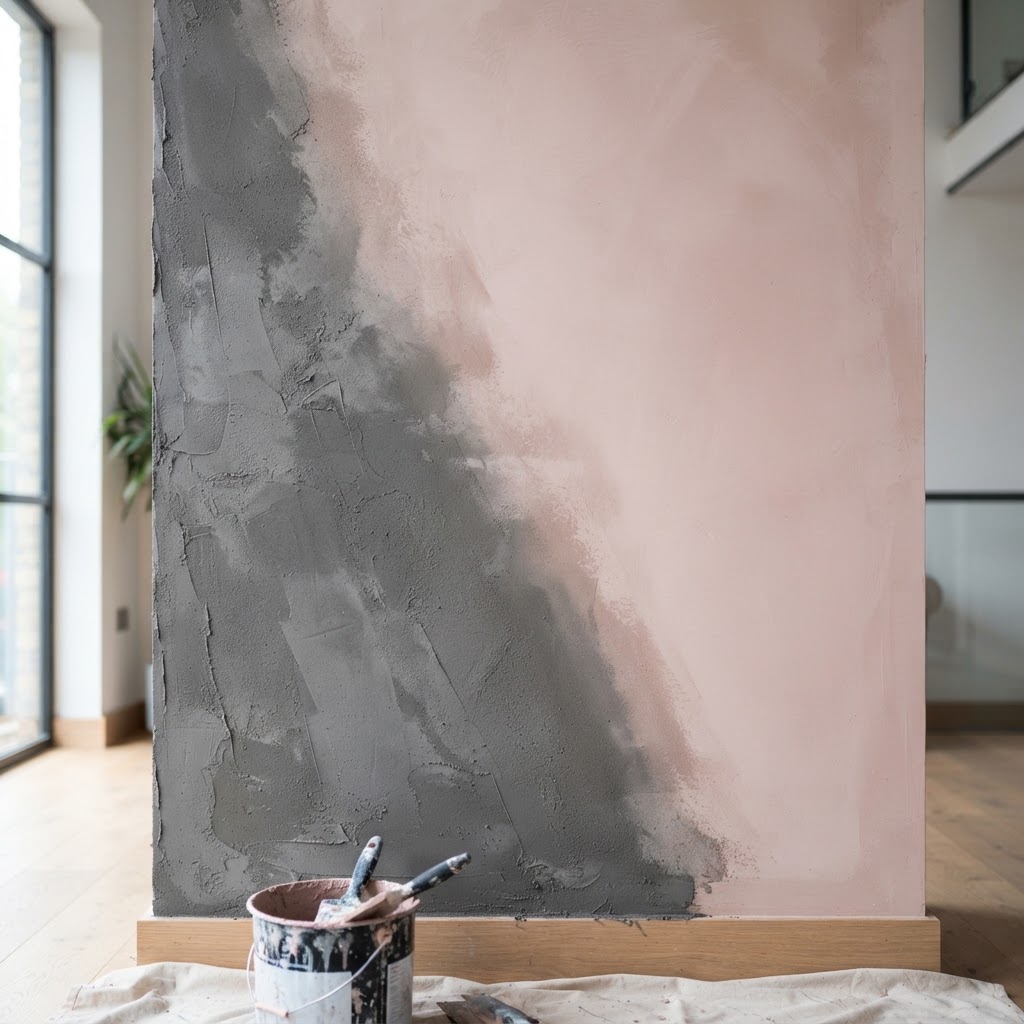
Why Does Plaster Go Pink When Drying? Expert Insight
Why Plaster Changes Color During the Drying Process
If you have recently had work done by a professional plasterer London, you might be surprised to walk into a room and find your walls appearing a patchy, light pink color. This is completely normal and is actually a visual indicator that the chemical reaction within the plaster is progressing exactly as it should. Understanding this transition is crucial for any homeowner in the capital, as rushing the next stage of your renovation can result in costly repairs.
The Science Behind the Pink Hue
Modern plaster is typically made from gypsum, a mineral that naturally possesses a light pink, greyish, or sometimes brownish tone depending on the quarry of origin. When it is applied as a wet slurry, it contains a significant amount of water. As this water evaporates, the surface undergoes a physical and chemical transformation known as dehydration.
The "pink" phase is the mid-point of the curing process. Initially, the plaster will appear quite dark—a deep, wet grey. As surface moisture begins to dissipate, the material lightens to a distinctive salmon pink. This indicates that the chemical setting process is complete, but the deeper structural moisture remains. The transition from pink to a pale, off-white "biscuit" color marks the final stage where the plaster reaches its full structural integrity and is ready for the application of mist coats or emulsion paints. Ignoring this phase often leads to "saponification," where the high alkalinity of fresh, damp plaster reacts with your paint, causing it to flake off within weeks.
London Area Considerations and Substrate Challenges
Working in Victorian homes in boroughs like Islington (N1), Wandsworth (SW18), or Kensington (W8) requires specific expertise due to the nature of the building fabric. These properties often feature solid brick walls, which are notoriously colder and more porous than the thermalite blocks found in newer builds in areas like Greenwich (SE10) or Hackney (E8).
In older Victorian terrace houses, the 'pink' transition might happen faster in some areas than others due to uneven suction across the substrate. A wall that has been previously lime-plastered or has had historical damp treatments will behave differently than a fresh plasterboard surface. In North London properties with high levels of residual moisture in the masonry, we often recommend Wall Skimming London services using specific bonding agents to ensure a uniform finish across older, porous substrates, preventing the dreaded 'patchy' look during the final curing phase.
Understanding the Drying Timeline in Detail
While every room is different, general drying times in London properties depend heavily on ventilation, ambient humidity, and the time of year. A freshly skimmed wall will typically take 3 to 7 days to dry completely in the summer months, but this can extend to 10-14 days in winter, especially in poorly ventilated basements in areas like Chelsea or Knightsbridge.
Factors Influencing Drying Speed
- Relative Humidity: London’s maritime climate means that on rainy days, air humidity is higher, which significantly slows the drying rate of plaster.
- Substrate Temperature: In winter, if the temperature of the wall falls below 5°C, the chemical reaction of the plaster slows down significantly, and the risk of the plaster freezing before it cures becomes a genuine threat.
- Ventilation Flow: Creating a 'cross-flow' by opening windows at opposite ends of a room is essential.
If you are noticing dark patches that refuse to turn pink, this indicates higher moisture content, often found in Ceiling Plaster Repair London projects where dampness or poor ventilation in a flat roof might be an issue. If these patches persist, we suggest using a moisture meter to ensure the substrate hasn't been compromised by a roof leak or rising damp.
Plastering Prices in London for 2026
Understanding the cost of your project is essential for budgeting. Whether you are looking for Artex Covering London or a total renovation, prices in the capital have adjusted for 2026 to reflect increased material costs and labour demand. Here is a comprehensive guide:
- Skimming a small bedroom (12m2): £450 - £600
- Skimming a standard living room (20m2): £700 - £950
- Full House Replastering (3-bed semi): £3,500 - £7,000 depending on wall condition and the amount of patching required.
- Dry Lining Installation: £30 - £50 per square meter, depending on the complexity of the boarding.
- Ceiling Repair/Skim (Per ceiling): £250 - £400
For a detailed breakdown, please see our Plastering Prices London page. We believe in total transparency, and all our Plastering Cost London estimations are provided in writing before any work begins, ensuring no hidden charges appear at the end of the project.
Frequently Asked Questions (FAQs)
Is it safe to paint when the plaster is still pink?
No. The pink color indicates that the plaster is still releasing moisture. If you apply paint now, you will seal the surface, trapping that moisture inside the wall. This leads to "blistering" or "bubbling" of the paint, and eventually, the paint will peel off in sheets. Wait until the surface is a consistent, light cream/biscuit color throughout. We recommend using a "mist coat" (a highly thinned emulsion) once the plaster is fully dry to prime the wall before final decoration.
How can I speed up the drying process without damaging the wall?
Open windows to encourage airflow. However, avoid placing direct heat sources like dehumidifiers or space heaters right against the wall. Rapid, uneven drying is the primary cause of hairline cracks. Let the room dry naturally at a consistent room temperature.
My plaster has developed fine hairline cracks. Is this a sign of bad workmanship?
Not necessarily. As gypsum plaster loses water, it shrinks slightly. In some cases, tiny, superficial shrinkage cracks appear, especially around door frames or near radiators in Kensington or Westminster flats. These are usually cosmetic and can be easily filled during the snagging phase before painting.
Should I be worried if the plaster is still dark in the corners?
Corners are notorious for having less airflow than the center of a wall. If the center of the wall is pink but the corners are still dark, give it another 48 hours. If the darkness persists, it may indicate a condensation issue, which is common in older London properties.
Do you handle emergency repairs?
Yes. If you have suffered water damage or accidental holes, our Emergency Plaster Repair London team can be with you quickly to patch and restore your surfaces. We understand the urgency of rectifying leaks in period properties before the moisture causes long-term structural damage.
Expert Professional Help
Managing a renovation can be stressful, especially when dealing with the intricacies of London’s diverse property types. From Dry Lining London to high-end Full House Replastering, our team ensures that every wall is finished to a perfect, paint-ready standard. Our professionals understand the nuances of Victorian plasterwork versus modern plasterboard, ensuring the correct mix and application technique for your specific home.
Related Plastering Guides & Services
Need Professional Plastering?
Get expert plastering services in London. Free quotes within 60 minutes.