
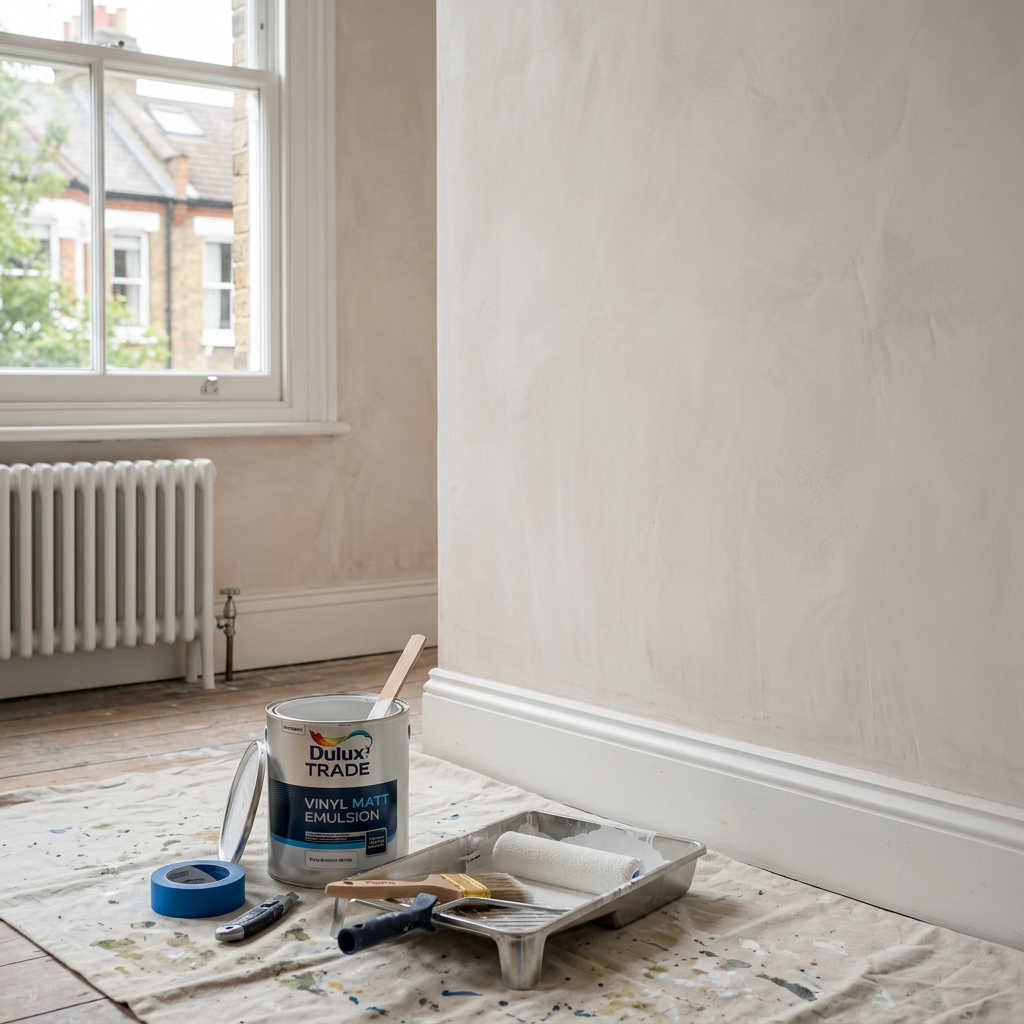
When Can You Decorate After Plastering? Key Timelines Explained
How Long After Plastering Can You Decorate?
Imagine you're in your newly bought flat in Shoreditch, maybe even dreaming of that perfect feature wall in a teal color. You’ve just had the walls plastered to smooth out the years of neglect. But as you stare at the fresh, white plaster, a common question surfaces: how long do I have to wait to decorate? Whether you’re gearing up for a rental refresh in Camden or preparing your family home in Clapham, understanding the drying and curing process is crucial to achieving the perfect finish.
In this blog post, we will explore
- the science behind plaster drying,
- how long you should wait after plastering,
- practical tips for decorating, and
- common questions you might have.
With our homeowner-centric focus at London Plastering Service, we're here to ensure that your project goes smoothly!
Understanding the Drying Process of Plaster
Plaster essentially consists of gypsum, which requires time to dry and harden fully. The initial drying can often be misleading. Here are a few points to grasp the process better:
- Types of Plaster: Traditional sand and cement plaster may take longer to dry compared to modern quick-drying products.
- Environmental Factors: Temperature and humidity levels will significantly impact drying times. Warmer, drier conditions in a borough like Kensington may speed up drying.
- Thickness Matters: The thicker the application, the longer the drying time. For instance, a hefty plaster wall in an Victorian home will take more time than a skim coat on a flat surface.
Typical Drying Times
The general rule of thumb is to allow 2 to 3 weeks for plaster to fully dry before decorating, but there are nuances:
- Skim Coat: Can be painted as soon as it’s dry to touch, often between 1-7 days.
- Thicker Applications: May require 3-6 weeks or longer, especially if plastered in cold or humid conditions.
Therefore, waiting is essential to avoid future issues like peeling or cracking paint.
Practical Tips for Preparing to Decorate
Before you grab your paintbrush, here are some practical tips to ensure the best results:
1. Testing for Dryness
- Touch Test: Gently touch the wall. If it feels cool and damp, it's not ready.
- Moisture Meter: If you want to be sure, consider using a moisture meter available at most hardware stores.
2. Ventilation is Key
Ensure your plastered room is well-ventilated. Open windows, use fans, or employ a dehumidifier, especially during the cooling months in boroughs like Islington.
3. Choose the Right Paint
- Water-based vs. Oil-based: Water-based paints are generally more forgiving with fresh plaster but may not adhere well if the plaster isn’t fully cured.
- Use Primer: Always apply a sealer or primer to ensure even coverage; consider using a mist coat for plastered surfaces—it helps the final coat adhere better and prevents peeling.
4. Plan for an Additional Week
If you're unsure, err on the side of caution. Adding an extra week for curing can save you time and money on future rework.
FAQ
## How can I tell if my plaster is dry?
You can tell if plaster is dry by the touch test. If it feels cool to the touch or damp, it's not yet dry. Using a moisture meter can also provide you with accurate readings.
## What happens if I paint too soon?
If you paint plaster too soon, it may lead to issues like bubbling, peeling, or blistering. Plaster needs to cure to prevent moisture from getting trapped beneath the coating.
## Why is it important to prime plaster before painting?
Priming helps create a uniform surface for your paint, seals the plaster, and improves adhesion. This ensures that your paint job lasts longer and looks even.
## Can I use wallpaper on newly plastered walls?
Yes, but be sure to let the plaster dry fully. Also, applying a primer first will help the wallpaper adhere better and prevent damage to the plaster.
## Should I hire a professional for decorating?
While DIY can be tempting, hiring a professional for decorating can ensure a better finish and save you time, especially if you’re unsure about plastering techniques. Learn more about our professional team here.
Conclusion
Getting the timing right after plastering can make all the difference in achieving a stunning finish. Remember, hurry can cost you—both time and money—when it comes to decorating your space in one of London’s vibrant neighborhoods. Allow proper drying time, utilize ventilation, and don't skimp on quality materials for the best outcome.
If you're ever in need of professional plastering services or guidance, the expert team at London Plastering Service is just a click away. Contact us today for a free quote and ensure your project goes off without a hitch!
Links for More Information:
Related Plastering Guides & Services
Need Professional Plastering?
Get expert plastering services in London. Free quotes within 60 minutes.