
When Can You Decorate After Plastering? Expert Guide
How Long After Plastering Can You Decorate?
Imagine finally getting around to your long-awaited home renovation, the rooms in your London flat echoing with the absence of furniture, and the walls gleaming with fresh plaster. You feel a rush of excitement while daydreaming about the vibrant colors you're about to paint. But then, the question arises: How long after plastering can you decorate?
Many homeowners, especially in vibrant neighborhoods like Notting Hill or Hackney, are eager to transform their newly plastered walls into stunning canvases as soon as possible. Yet, it's crucial to ensure that the plaster has cured adequately for a flawless finish. Let’s dive into this topic to ensure you don’t rush the process and end up with cracks or peeling paint.
Understanding the Plastering Process
Before we discuss the timing, it’s essential to understand what happens during the plastering process. Plastering involves applying a wet mixture made up primarily of gypsum or lime to your walls and ceilings. This mixture needs time to dry and cure effectively. Here’s what affects the drying time:
- Humidity: High humidity levels can extend drying times significantly.
- Temperature: Colder temperatures slow down the drying process, while warmer environments can speed it up.
- Type of Plaster: Different plaster types dry at different rates, with traditional lime plaster taking longer than modern gypsum-based options.
Typically, plaster will feel dry to the touch within a few days, but it’s vital not to judge it solely on that.
The Ideal Waiting Period
So, how long should you really wait before decorating? Generally, the recommendation is to wait between 2 to 4 weeks after plastering before you start your decorating. However, this can vary based on the following factors:
1. Thickness of the Plaster
- Thin Coats (like skimming): 7-10 days
- Standard Coats: 10-14 days
- Thick Coats (like render): Up to 28 days
2. Environment Conditions
- The best drying conditions are 20-24°C with low humidity. If your home isn’t warm and dry, this could extend your waiting time.
3. Ventilation
- Ensure your space is well-ventilated, using fans if necessary. This promotes quicker drying.
4. Type of Paint
- Some paints require the surface to be fully dry, while others have moisture-resistant properties. Always read the instructions on your chosen paint.
Practical Tips for Checking Plaster Dryness
As a homeowner, you can take a few practical steps to ensure that your plaster is ready for decoration:
-
Touch Test: Gently press your hand against the plaster. If it feels cool or damp, it’s not ready.
-
Moisture Meter: Invest in a moisture meter. This can provide an accurate measurement.
-
Time: Stick to the general timelines mentioned above and account for your specific conditions.
-
Visual Check: Look for color changes. Wet plaster is typically darker. When it has dried, it will lighten significantly.
-
Ask Experts: If in doubt, hiring a professional from London Plastering Service can save you time and trouble.
Paint Preparation Before Application
Once you’ve ensured that your plaster is sufficiently dry, here are some steps to prepare for painting:
- Clean the Surface: Wipe off any dust or debris with a damp cloth.
- Prime the Walls: Applying a primer can help the paint adhere better and is especially important for fresh plaster.
- Choose Quality Paint: Opt for a high-quality paint that is appropriate for the area you are decorating. For example, a kitchen might need washable paint.
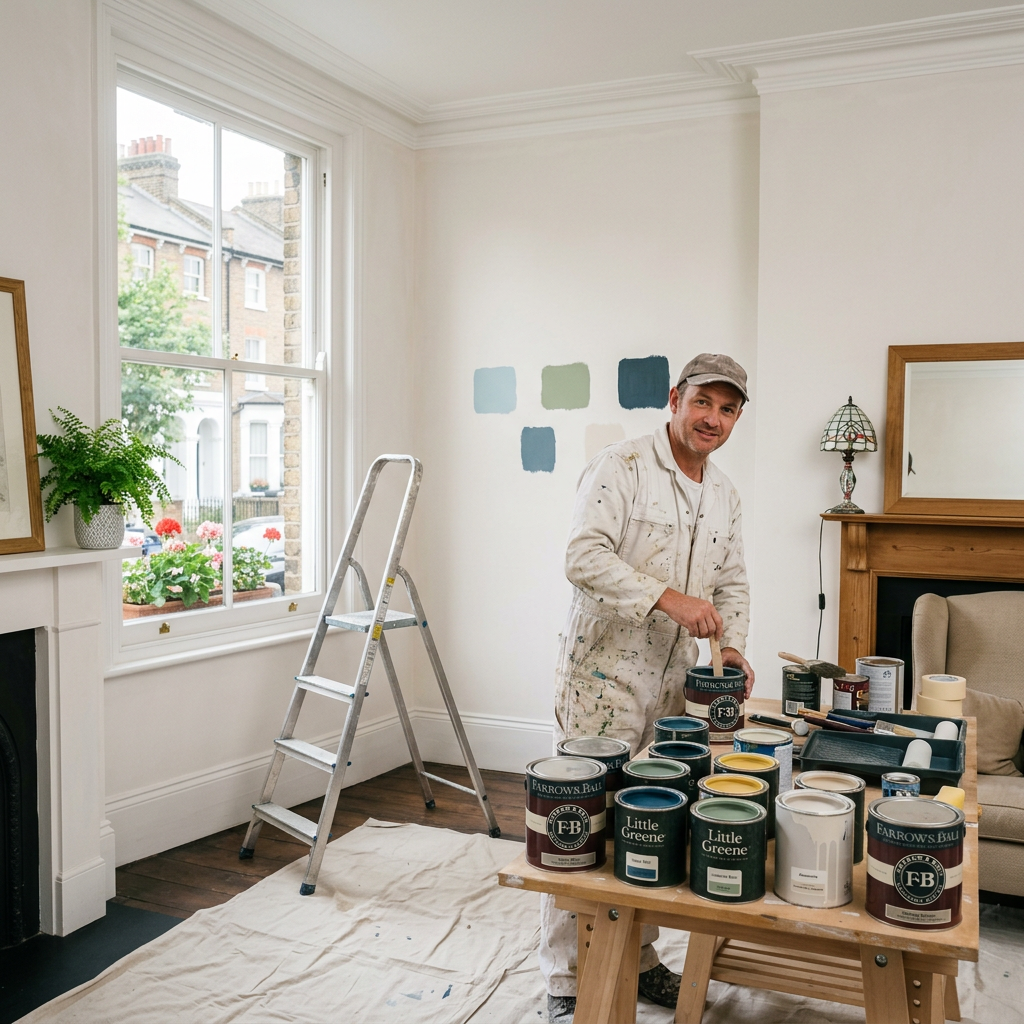
- Tools Needed: Gather brushes, rollers, painter’s tape, and drop cloths for a neat job.
FAQ
1. Can I paint before the plaster is fully dry?
Painting on wet plaster can lead to issues like peeling and cracking. Always ensure the plaster is completely dry to avoid future problems.
2. How can I speed up the drying process?
If your plaster is taking longer to dry, ensure good airflow. Use fans and, if feasible, a dehumidifier to help evaporate moisture more quickly.
3. What happens if I decorate too soon?
Decorating too soon can trap moisture beneath the paint, leading to bubbling, peeling, and mold growth. It can ruin your hard work and result in costly repairs.
4. Different types of decorating – do they have different wait times?
Yes! For example, wallpaper can require the plaster to be drier than painting, so always check specifics based on your chosen method.
5. When can I use furniture again after plastering?
While the walls need to dry for decoration, furniture can typically remain in place as long as it’s covered to protect it from dust and debris during plastering. However, avoid leaning items against freshly plastered walls until fully cured.
Conclusion
In summary, after plastering, it’s always best to wait 2 to 4 weeks before decorating, depending on various factors. Remember to check for dryness and prepare the surface adequately for a beautiful finish. Transform those bare walls into a masterpiece reflecting your style and taste! Don’t forget that if you need help with plastering or decorating, London Plastering Service is here to support your renovation needs.
Are you ready to transform your London space? Get your free quote today and let’s make your decorating dreams come true!
Explore our gallery of completed projects to see how we can elevate your home.
Related Plastering Guides & Services
Need Professional Plastering?
Get expert plastering services in London. Free quotes within 60 minutes.