
When Can You Decorate After Plastering? A Complete Guide
How Long After Plastering Can You Decorate? A Complete Guide
Picture this: you’ve just moved into your Victorian home in Islington, thrilled to uncover the period features beneath layers of outdated decor. You decide to refresh the place, and the first step is a fresh coat of paint on those beautiful walls. But wait…
The Plastering Dilemma
You’ve just had your walls plastered by a trusted professional from London Plastering Service. Now, an important question looms: how long after plastering can you decorate? It’s a common conundrum, and getting this right is essential to ensure your paint job turns out perfect, without peeling or bubbling.
The answer is nuanced, depending on various factors, including humidity, temperature, and the technique used during plastering.
What Affects Drying Time?
1. Type of Plaster Used
Different types of plaster have varying drying times. Gypsum plaster dries relatively quickly, whereas lime plaster may take longer to cure properly.
- Gypsum Plaster: Typically 1-2 days
- Lime Plaster: Can take up to 4-6 weeks for full drying
2. Humidity and Temperature
In London, where the climate can fluctuate, increased humidity in the air can delay the drying process of plaster. Ideally, a warm, dry room helps speed things up.
3. Plastering Technique
If the plasterers used a thicker application, this will invariably take longer to dry. A standard coat usually dries faster than a heavier second coat.
General Timeline for Decorating
On average, here’s a guideline on how long you should wait:
- After Gypsum Plastering: 1-2 weeks
- After Lime Plastering: 3-4 weeks
You can tempt fate and start decorating earlier, but you risk compromising your aesthetic efforts.
The Importance of Curing
Curing is when your plaster hardens and reaches full strength. Painting on improperly cured plaster can lead to disastrous results, including
- Flaking and peeling
- Uneven texture
- Trapped moisture leading to mold
To help you gauge whether your plaster is ready for decoration:
- Visual Test: The surface should look dry and light.
- Touch Test: The plaster should feel firm and not sticky.
- Moisture Meter: If you have one, using a meter can give you a clear reading on moisture content.
Tips for Preparing to Decorate
Before you grab that paint roller, here are some actionable tips:
Step 1: Check Your Plaster
- Inspect for Cracks: Examine your plaster for any cracks or imperfections. Fill these before painting.
- Sand Smooth: Lightly sand the surface once dry to give a better key for your paint.
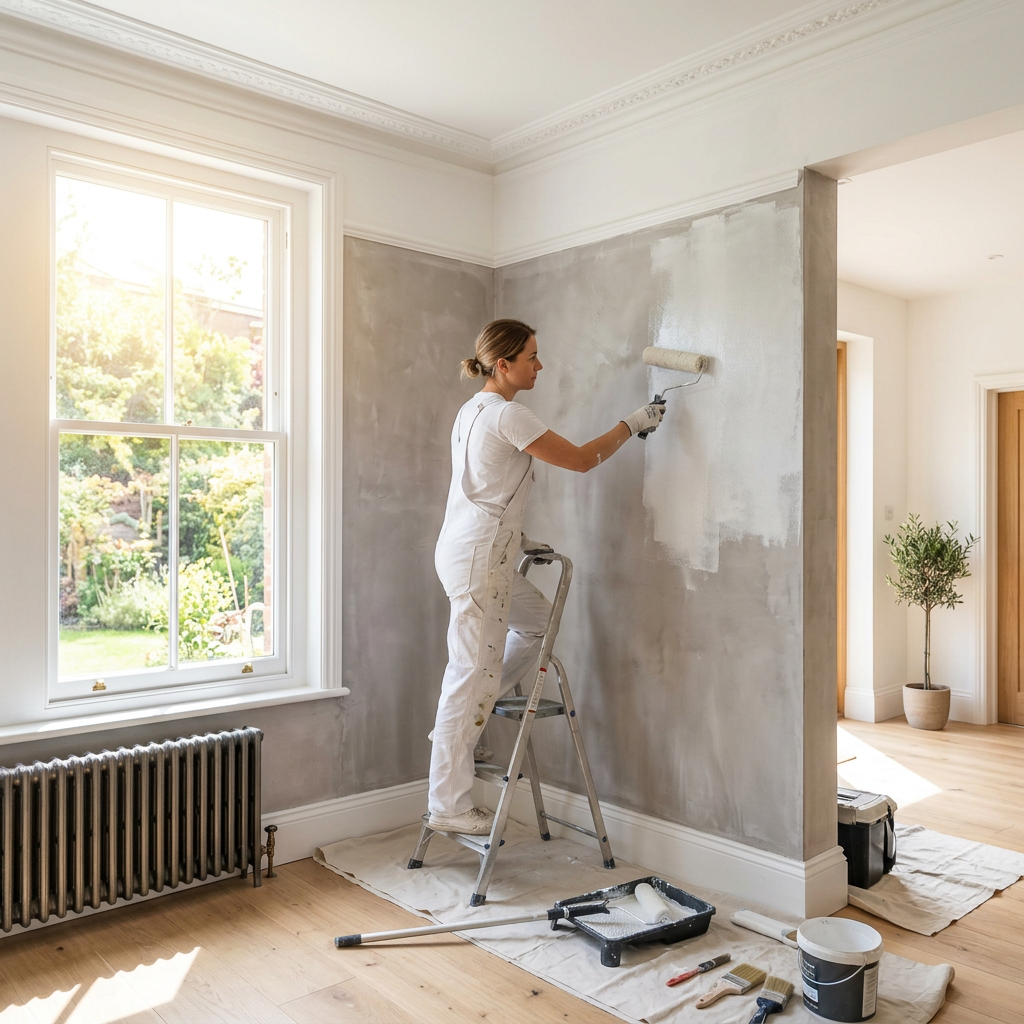
Step 2: Apply a Mist Coat
Use a mist coat (a diluted first layer of paint) to help the following layers adhere better. This should be:
- 70% paint to 30% water
- Applied with a roller for best results
Step 3: Choose the Right Paint
Consider high-quality emulsion paints designed for fresh plaster. Brands like Farrow & Ball or Benjamin Moore offer good options.
Step 4: Wait for Drying Between Coats
After your initial mist coat, allow at least 24 hours before applying the next coat.
FAQ
How can I tell if my plaster is fully dry?
If the plaster feels warm, appears light in color, and is firm to the touch, it’s likely dry enough to decorate. A moisture meter can provide a precise reading.
Can I decorate in humid conditions?
While it’s possible, decorating in high humidity can cause issues like peeling. It’s best to wait for drier conditions whenever possible.
What happens if I paint too soon?
If you don’t wait long enough, you’ll likely face flaking, uneven surfaces, or even mold due to trapped moisture.
How much does plastering cost in London?
In London, professional plastering services cost typically between £300 - £800 per room, depending on the size and complexity.
Can I use wallpaper instead of paint?
Yes, wallpaper can be applied; however, you will still need to ensure your plaster is fully dry and smooth for best adhesion.
Conclusion
Now that you know how long after plastering you can decorate, you can breathe easy knowing your efforts will yield beautiful results without compromising the integrity of your newly plastered walls. Remember, patience pays off!
For professional plastering services, expert tips, and inspiration, visit London Plastering Service, or check out our Gallery for stunning before-and-after projects. Ready to take the next step in your decorating journey? Contact us today to schedule your plastering service and make your home truly shine!
Related Plastering Guides & Services
Need Professional Plastering?
Get expert plastering services in London. Free quotes within 60 minutes.