
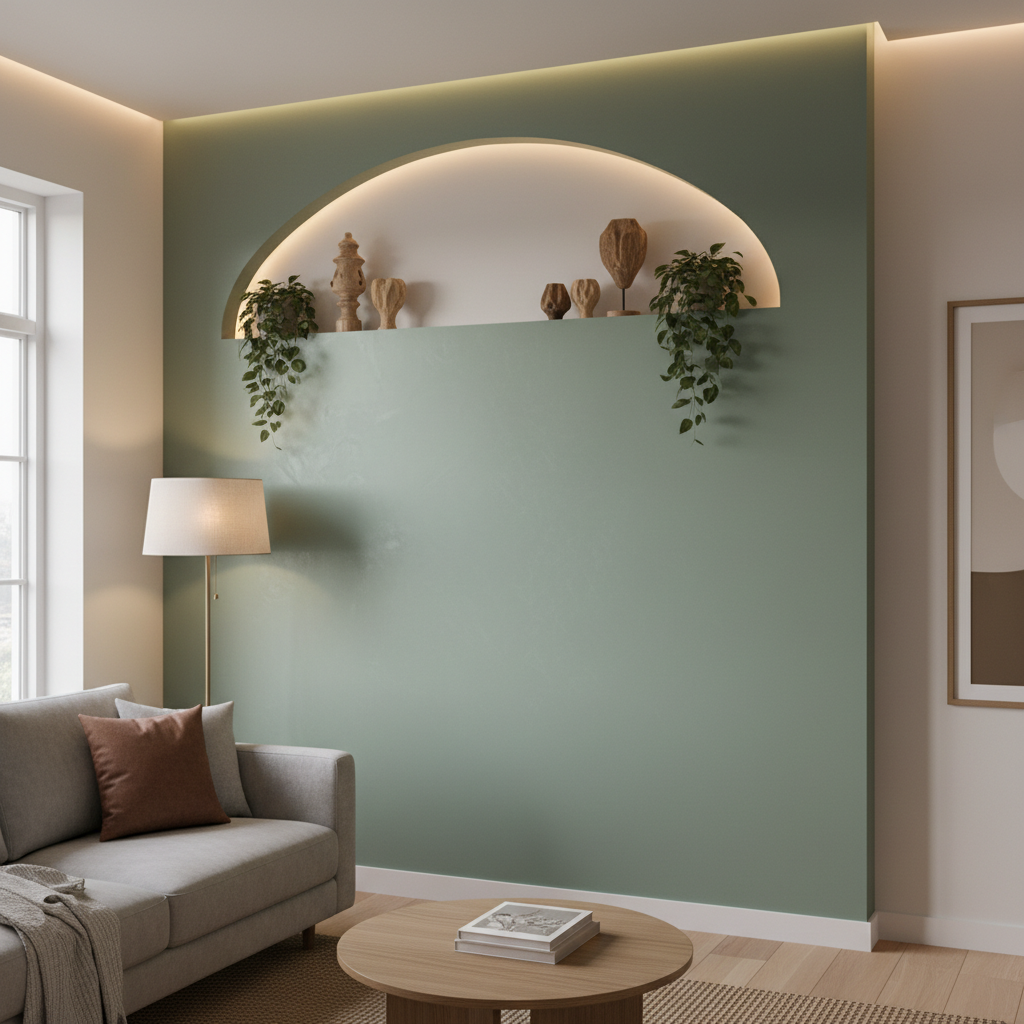
When Can You Decorate After Plastering? A Complete Guide
How Long After Plastering Can You Decorate?
Imagine you've just had your living room plastered for a fresh new look. You can almost picture the elegant wallpaper or the chic paint color complementing your newly smoothed walls. But then, reality sets in, and you wonder: how long do I truly have to wait before I can start decorating?
The timing can make you anxious, especially if you're excited to show off your home in vibrant new shades or textures. The answer isn’t straightforward, as several factors come into play about how long you should wait after plastering before you dive into decoration. In this blog, we’ll break down the essentials you need to consider before throwing on that first coat of paint or installing wall coverings.
Why The Wait?
Plastering involves applying a mixture of lime, sand, and water, and sometimes additives, to your walls. This creates a smooth surface but also a layer that needs to fully dry and cure. Factors affecting drying time include:
- Thickness of the plaster: Thicker layers take longer to dry.
- Environmental conditions: Humidity and temperature play significant roles. A room in South London with high humidity will take longer than a well-ventilated, sunny space in Richmond.
- Type of plaster used: Some modern plasters are designed to dry quicker than traditional lime-based plasters.
Generally, waiting between 2 and 4 weeks is a good rule of thumb.
When Can You Safely Start Decorating?
Following your plastering project, here’s a guideline based on type and environmental factors:
1. Standard Plaster (Traditional)
- Wait Time: 3-4 weeks.
- Tips: Make sure your room is both warm and ventilated to help in drying.
2. Rapid-Drying Plaster
- Wait Time: 1-2 weeks.
- Tips: Monitor the plaster. You can feel the expanse of dryness by checking for a change in texture.
3. Underfloor Heating
- Wait Time: Always wait 3-4 weeks even with heating; moisture needs to escape.
- Tips: Turn off heating while plaster is curing to avoid rapid drying, which could lead to cracks.
Estimates indicate you might spend anywhere between £300 to £600 for a medium-sized room’s plastering job. For more extensive work or tricky features, like curved walls, costs can rise, so having a professional from London Plastering Service handle it is advisable.
Practical Tips for Painting Post-Plastering
Once the drying time has passed, consider these practical steps to ensure your decorating efforts yield the best results:
Prepare the Surface
- Clean the Walls: Dust particles can inhibit adhesion.
- Check for Imperfections: Lightly sand any rough spots.
Apply a Primer
- Use a Bonding Primer: This helps seal the porous plaster surface and creates an optimal base for paint. Brands like Zinsser are often recommended.
Choose the Right Paint
- Type Matters: For newly plastered walls, always opt for breathable paints rather than high-gloss finishes, which can trap moisture.
- Finish Options: Eggshell is a versatile finish that can support the plaster without excessive shine.
Test for Moisture
Before getting started, it’s wise to check the moisture content using a hygrometer. Ideal conditions show moisture levels below 20% before decorating.
FAQ
## FAQ
Q1: How can I tell if my plaster is dry enough to decorate?
A1: The best way to check is to feel the walls. Dry plaster has a uniform color and is cool rather than damp. You can also do a moisture check with a hygrometer to ensure levels are less than 20%.
Q2: Can I start before the recommended wait time?
A2: While tempting, it’s not advisable. Painting too soon can cause peeling and bubbling due to trapped moisture.
Q3: What happens if I don't wait long enough?
A3: Decorating prematurely can lead to paint failure, requiring you to sand down and redo your work.
Q4: Is ventilation important during the drying process?
A4: Absolutely! Good airflow helps speed up drying and reduces the risk of damp and mould.
Q5: How much does it cost to paint a room after plastering?
A5: Expect to pay between £200 to £400 for a small to medium-sized room, depending on paint quality and labor involved.
Conclusion: Time to Transform Your Space
In summary, patience is an essential part of the plastering process. Knowing how long after plastering you can decorate is crucial for a successful decorating project. By following these guidelines and practical steps, you can enhance your London home beautifully after waiting the appropriate time.
If you’re in need of professional plastering or want to see the stunning results from local projects, check out our Gallery, or if you have further questions, visit our Blog. Remember, a proper plastering job leads to an amazing finish that you’ll love!
For those living in places like Camden, Notting Hill, or Dalston, use our Plasterers Near Me service to find the top-notch professionals you need.
Embrace your home’s potential with the right approach and expert help from London Plastering Service. Your dream home awaits!
Related Plastering Guides & Services
Need Professional Plastering?
Get expert plastering services in London. Free quotes within 60 minutes.