
What You Need to Know About Plastering Cost for Victorian Homes
Understanding Plastering Cost for Victorian Terrace Houses in London
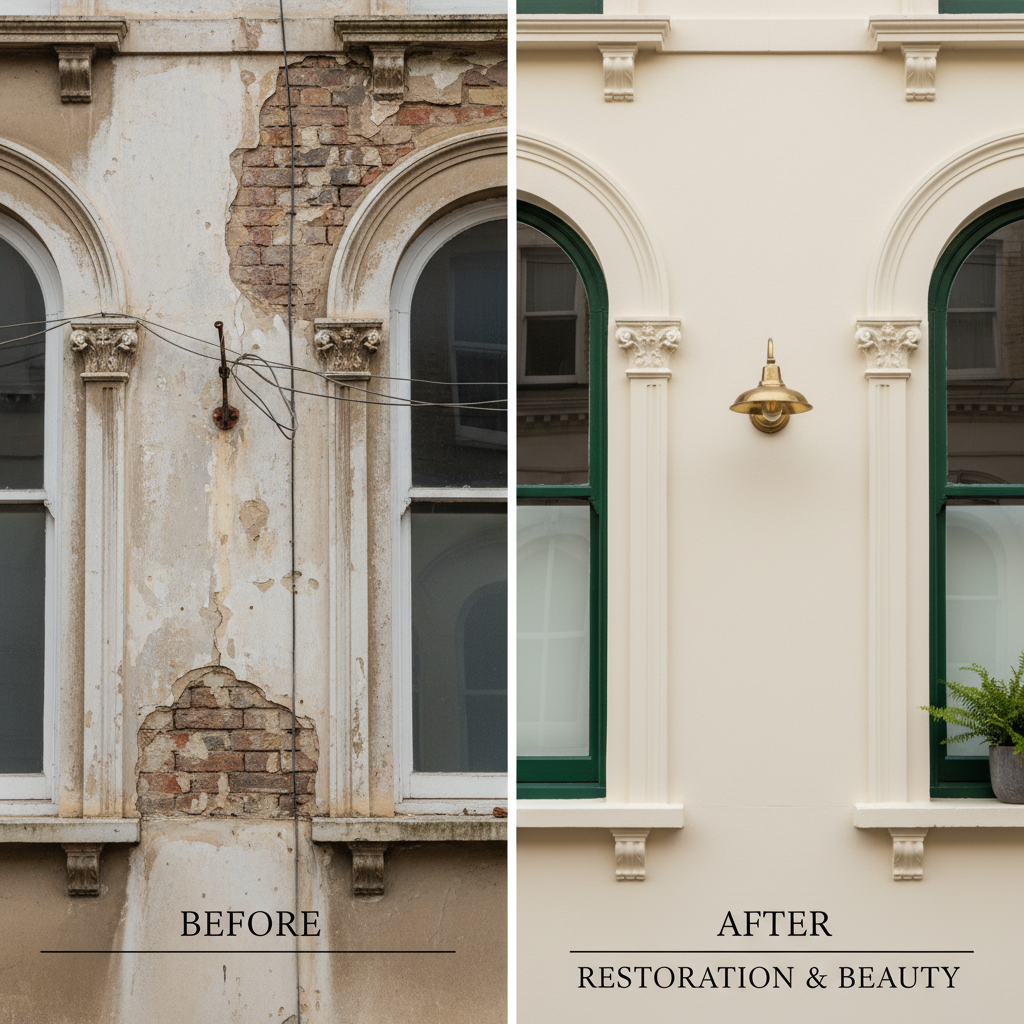
Imagine you’ve just moved into a charming Victorian terrace house in Clapham, only to find the beautiful high ceilings are lined with unsightly cracks and peeling plaster. The history and character of such properties are breathtaking, but they can also come with maintenance challenges, especially when it comes to their plastering needs. So, what does it actually cost to restore the beauty of your Victorian home? Let’s delve deep into the plastering cost for Victorian terrace houses in London and how you can effectively budget for restoration work.
The Character of Victorian Homes
Before we explore costs, it’s worth noting what makes Victorian terrace houses unique:
- Architectural Features: High ceilings, intricate cornices, and ornate moldings.
- Age: Built between 1837 and 1901, these homes often suffer from age-related wear.
- Materials: Older homes may require traditional plaster methods that differ from modern techniques.
All these factors can influence the plastering costs, making it crucial for homeowners to get a clear picture before diving in.
Average Plastering Costs in London
In London, plastering costs can vary significantly. Here’s what you need to know:
- Per Square Meter: The average cost of plastering ranges from £20 to £45 per square meter, depending on the intricacies of the job.
- Room Size: A standard room may cost between £250 to £600, with larger areas like living rooms requiring upwards of £1,000.
- Full House Renovation: For a complete plastering job across a Victorian terrace, expect prices to be between £3,000 to £8,000, based on the condition of the walls and ceilings.
Factors Affecting Plastering Costs
Several factors contribute to variation in plastering costs:
- Condition of Existing Plaster: Cracked or damaged surfaces may require more preparatory work.
- Type of Finish Required: Smooth skim coats are typically more affordable than decorative plaster finishes.
- Accessibility: High ceilings and tight spaces can increase labor time and costs.
- Location: Different boroughs in London, like Kensington or Islington, may have differing market rates.
Practical Tips for Budgeting Your Plastering Project
To make sure you're prepared for the investment, consider the following practical tips:
- Get Multiple Quotes: Always obtain quotes from at least three potential plasterers to find the best deal. Look for specialists in period property work—check out our Professional plastering team for expert services!
- Set a Budget: Outline your budget beforehand, accounting for both materials and labor costs. A rough estimate can save you from surprises!
- Plan for the Unexpected: Always set aside an extra 10-15% of your budget for unforeseen repairs.
Steps to Prepare for Plastering
Follow these steps before your plastering work begins:
- Clear the Area: Remove furniture and decorations from the room to provide clear access.
- Inspect Walls: Look for any major structural issues that might need addressing before plaster is applied.
- Choose Your Finish: Decide if you want a basic finish or something more decorative to enhance your home’s character. Check our Wall skimming services for options!
FAQ
1. What is the average cost of plastering a Victorian terrace house in London?
The average cost for plastering a Victorian terrace house can range from £3,000 to £8,000 depending on the size and condition of the property. This includes both labor and materials.
2. How long does plastering take?
The duration of plastering work can vary greatly, but on average, a single room can take 1-3 days. Larger projects may take up to a week depending on the complexity and size of the area.
3. Can I plaster over old plaster?
Yes, you can plaster over old plaster, but it’s crucial to check its condition first. If the old plaster is too damaged, it may require removal and replacement for the best finish.
4. Is plastering a DIY job or should I hire professionals?
While some homeowners opt to tackle small plastering jobs themselves, hiring professionals is recommended, especially for larger areas or intricate designs found in Victorian homes. Our local plasterers specialize in these unique properties.
5. What kind of plastering finishes are suitable for a Victorian home?
Common suitable finishes include traditional lime plaster, skim coats for smoothing, or decorative plaster for a more ornate finish. Discuss your options with your plasterer to find the right match for your home.
Final Thoughts
Restoring a Victorian terrace house’s plastering isn’t just about aesthetics; it’s about maintaining the integrity and history of your home. By understanding the costs associated and planning accordingly, London homeowners can protect their investment and ensure their homes remain stunning.
If you’re ready to get started with your plastering project or need more information, don’t hesitate to reach out to London Plastering Service. Our experienced team is here to help you navigate the revival of your beautiful Victorian terrace with precision and care. Let’s bring your home back to life together!
Related Plastering Guides & Services
Need Professional Plastering?
Get expert plastering services in London. Free quotes within 60 minutes.