
What to Do When Plaster Falls Off in Chunks: A Handy Guide
What to Do When Plaster Falls Off in Chunks: A Handy Guide
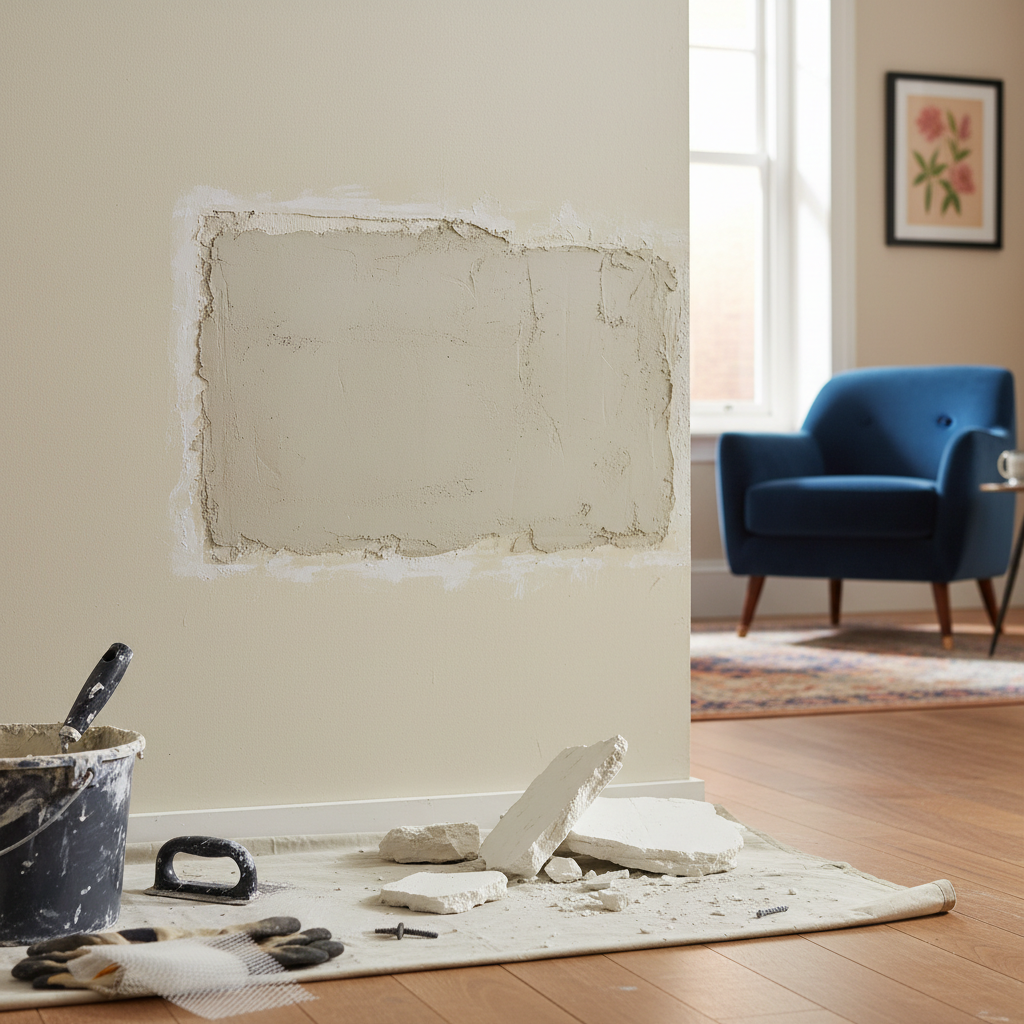
Imagine coming home from a long day at work, ready to relax in your cozy living room, only to find that chunks of plaster have fallen from the wall, leaving unsightly gaps and an unsettling mess. Surprising as it may seem, this is a common occurrence among homeowners—especially in older homes across London’s historic boroughs. Whether it’s from moisture damage, settling, or simply age, knowing how to respond when you find plaster debris scattered across your carpet can save you time, stress, and potentially a lot of money in repairs.
In this comprehensive guide, we will explore the reasons behind plaster deterioration, how to assess the damage, and provide you with step-by-step instructions on repairing it, along with when it’s best to call in the professionals from London Plastering Service.
Why Does Plaster Fall Off in Chunks?
Understanding why plaster fails is the first step in effectively addressing the problem. Here are some common causes:
- Moisture Damage: One of the primary culprits, especially in London’s humid climate. Water infiltration from leaks, damp air, or condensation can weaken plaster and cause it to detach from walls.
- Age and Settling: Older properties often face wear and tear. As buildings settle over time, cracks may form, leading to plaster loss.
- Poor Application: If the plaster was applied incorrectly or with substandard materials, it may not adhere well, leading to chunks breaking off.
- Temperature Fluctuations: Extreme changes in temperature can cause plaster to expand and contract, leading to cracking and chipping.
Assessing the Damage
Before diving into repairs, you need to assess the extent of the damage. Here’s a quick checklist:
- Inspect the Area: Look for large cracks, gaps, or any signs of moisture.
- Check for Mold: If you notice dark spots, it might indicate water damage.
- Test the Integrity: Lightly tap the plaster. If it sounds hollow, it’s a sign that it might come off more easily.
- Identify the Cause: Try to pinpoint why the plaster failed in the first place. This is crucial for preventing future issues.
What to Do Next?
Based on your assessment, you can decide the best course of action:
1. Minor Repairs
If only small areas are affected:
- Clean the Area: Use a damp cloth to clear away any dust or debris.
- Apply a Bonding Agent: For areas with loose plaster, apply a bonding adhesive to help new plaster stick.
- Mix and Apply New Plaster: Follow manufacturer instructions to mix plaster. Apply it to the affected area using a trowel. Smooth it out and blend it with the surrounding wall.
2. Moderate Damage
If the damage is a bit more extensive:
- Remove Loose Plaster: Carefully chisel away any loose or flaking plaster.
- Fill Cracks: Use a filler to seal larger cracks.
- Reinforce with Mesh: For larger areas, consider adding a mesh tape for reinforcement before applying new plaster.
- Apply New Plaster: As before, mix and apply new plaster and allow it to dry completely.
3. Severe Damage
In cases where significant areas or multiple walls are affected, it may be best to call in a professional plasterer.
- Assess the Structure: This is important to ensure there aren't underlying issues causing the plaster to fail.
- Professional Help: Hire a local expert, like the professional plastering team from London Plastering Service, to fix the issue properly. On average, plastering services in London can cost between £20 to £35 per square meter, depending on the intricacy of the work.
Practical Tips for Future Prevention
To avoid getting into a similar situation again in the future:
- Regular Inspections: Check for any signs of water damage or cracks frequently.
- Control Humidity: Use dehumidifiers if you live in a particularly damp area.
- Proper Ventilation: Ensure your home is well-ventilated to reduce moisture buildup.
- Consider Wall Skimming: If your walls are particularly old, a wall skimming service can help create a smooth surface and cover existing damage.
FAQ
What should I do if I see mold on the plaster?
Mold indicates a moisture problem. First, address the source of moisture—such as fixing leaks or improving ventilation. Once fixed, remove the mold using a mixture of vinegar and water, or a mold remover. It may be best to replace compromised plaster.
How often should I check for plaster damage?
Every 6-12 months, especially in older properties or those with a history of moisture issues. Regular checks can catch problems early on and save money on extensive repairs.
Can I repair plaster myself?
Yes! Many minor repairs can be handled by homeowners with proper tools and materials. However, for extensive damage or if you are unsure, contacting specialists like local plasterers in your area is advisable.
What's the average cost to repair plaster?
Costs can vary significantly based on the amount of damage and location. Expect to pay around £20-£35 per square meter for professional plastering services in London.
Conclusion
In a vibrant city like London, taking care of your home’s plastering is crucial to maintaining its beauty and structural integrity. If you find yourself staring at fallen plaster chunks, remember to assess, repair, or reach out for help from seasoned experts. At London Plastering Service, we’re dedicated to restoring the charm of your home with top-notch plastering solutions. Don’t wait until it’s too late—contact us today for a free quote and expert advice tailored to your needs!
Explore more tips and tricks on our blog to keep your home in perfect condition!
Related Plastering Guides & Services
Need Professional Plastering?
Get expert plastering services in London. Free quotes within 60 minutes.