
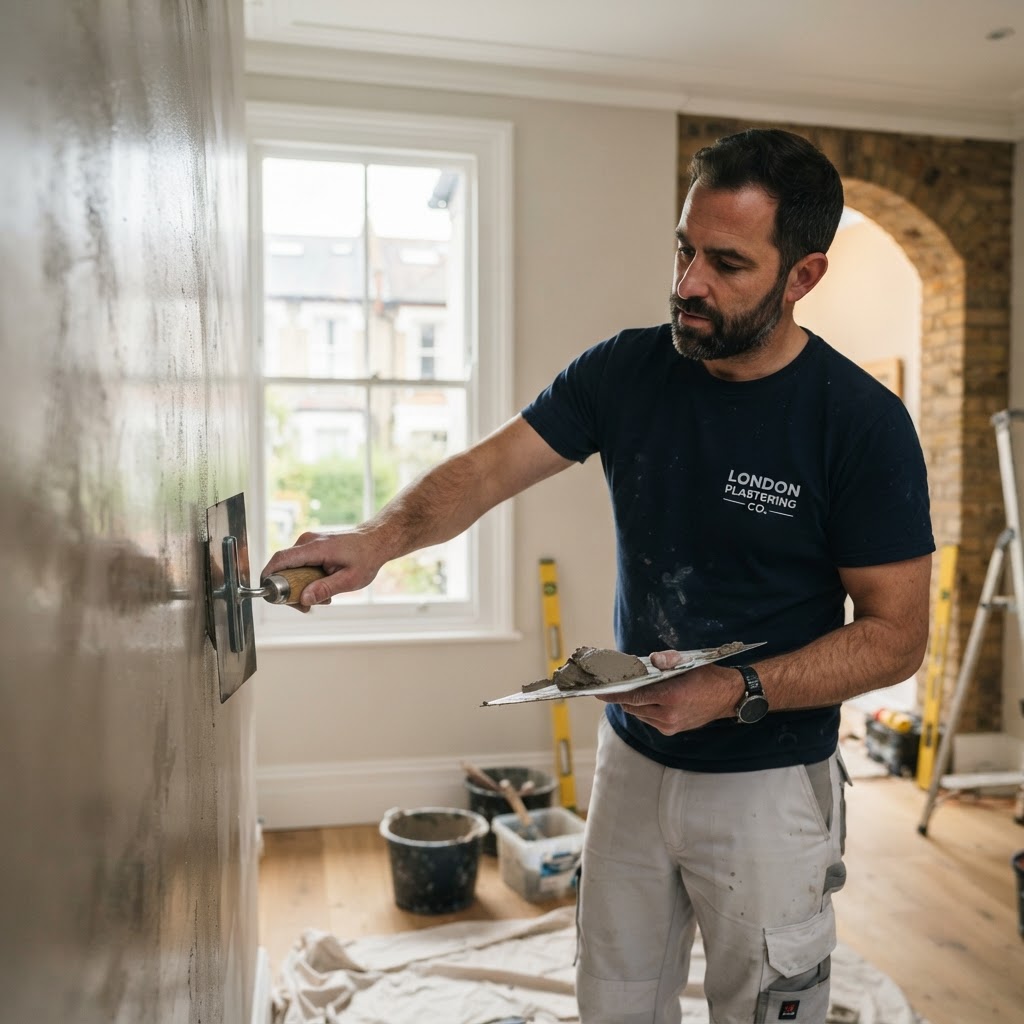
What to Ask a Plasterer Before Hiring: A London Homeowner's Guide
Hiring a Professional Plasterer in London: Your Essential Checklist
Finding a reliable tradesperson in a bustling, complex city like London can be a daunting endeavor. When you are searching for a plasterer London residents trust, the difference between a pristine, glass-smooth finish and a wavy, uneven wall often comes down to the depth of the questions you ask before the first trowel hits the wall. Whether you are dealing with a historic Victorian terrace with original lath and plaster in Kensington or a sleek, modern apartment in the high-rise corridors of Canary Wharf, quality plastering is a vital investment that adds significant, lasting value to your home. Beyond aesthetics, proper wall finishing is essential for fireproofing and sound insulation, which are critical in London's density.
1. Are You Insured for Public Liability and Professional Indemnity?
Never assume a tradesperson is covered. In London, where homes are often tightly packed, share party walls with neighbours, or sit within heritage-listed zones in boroughs like Westminster or Camden, the potential for accidental damage is high. A true professional should hold at least £2 million to £5 million in public liability insurance. Furthermore, ask if they have 'Contractor’s All Risks' insurance. If they cannot produce a current certificate for the current year, walk away immediately. An uninsured contractor puts you at personal financial risk for property damage or injuries occurring on your site.
2. Can You Provide Examples of Similar Work?
If you need Wall Skimming London services, ask to see photos of specific finishes—not just stock imagery. Plastering is a tactile trade; the finish matters immensely when the light hits the wall. Check if they have experience with period properties in areas like Islington, Hackney, or Hampstead, where lime plaster repair requires a vastly different skill set than modern gypsum dry lining. Ask: 'Can you show me a project where you repaired lime plaster?' A competent plasterer should be able to explain the difference between base coats and finishing coats for these substrates.
3. How Do You Handle Protection and Site Clean-Up?
Plastering is notoriously messy. A professional will always lay down heavy-duty floor protection, such as thick plastic sheeting or protective canvas runners, and use professional-grade masking tape on your woodwork. Ask specifically how they protect London’s common features, such as original parquet flooring or deep-pile carpets. Will they be using a damp cloth for spills immediately? How do they handle the transport of materials through your hallway? The best teams leave the room cleaner than they found it, including the removal of all bags of arisings.
4. Do You Understand Local Building Regulations?
In London, if you are changing the internal layout or adding insulation, you may need to comply with Part L of the Building Regulations regarding thermal efficiency. Ask your plasterer if they understand U-values and how their boarding method complies with fire safety standards in high-rise buildings.
Understanding 2026 Plastering Prices in London
Transparency is paramount. When calculating your Plastering Cost London budget, remember that London rates are higher than the national average due to travel time across zones, Congestion Charge zone access, parking fees, and the high cost of skip hire for rubble disposal. As of 2026, here are the expected market rates for professional labour and materials:
- Small Wall Skimming: £250–£350 per room depending on wall condition.
- Full Ceiling Plaster Repair: £300–£450, depending on whether it requires patching or full replacement.
- Full House Replastering (3-Bedroom): £4,500–£8,000.
- Boarding and Skimming (new partitions): £15–£25 per square metre.
Clarify if these quotes include materials, skip hire, and VAT at 20%. Note that if your property is in a Controlled Parking Zone (CPZ) in boroughs like Chelsea or Hammersmith, you must discuss parking permits upfront; if the contractor has to pay for daily parking, this will usually be added to your final bill.
Specialized Services: Beyond Standard Skimming
Not all plasterers have the same expertise. If your project involves specific challenges, ask these targeted questions:
- Artex Covering: Do you use a bonding agent, a base coat, or just over-skim? For Artex Covering London projects, ensuring the surface is properly prepped is vital. If they don’t mention a PVA bonding agent or a specialist multi-finish base coat, they might be prone to poor adhesion. Note: Always check for asbestos if the Artex was applied before 1990.
- Dry Lining: Are you using thermal boards? If you live in an older home with thin walls, Dry Lining London can significantly improve your Energy Performance Certificate (EPC) rating. Ask about the specific R-value of the boards they plan to use.
- Emergency Repairs: Do you offer Emergency Plaster Repair London services? Knowing who to call when a ceiling starts showing signs of bowing or water damage is essential for safety.
Frequently Asked Questions (FAQ)
Q: How long does a room take to dry in the London climate?
While most plaster takes 24-48 hours to 'go off' (become firm), the full drying process depends on ventilation and humidity. In London's often damp climate, this can take 3-7 days. The plaster must transition from a dark pink to a consistent light pink colour. We recommend using a dehumidifier in the room for the first 48 hours to prevent damp spots, especially in basement-level flats.
Q: Do I need a quote in writing for small repairs?
Absolutely. Even for a small repair, a formal quote protects both parties. It should explicitly state the scope of work, the materials brand being used, the removal of debris, and the total cost including or excluding VAT. Avoid any contractor who refuses to put details in writing or requests full payment in cash before starting.
Q: What is the difference between skimming and re-plastering?
Skimming is applying a thin 2-3mm finishing layer over an existing, solid surface. Re-plastering involves removing the old 'blown' plaster back to the brickwork, installing new plasterboard, and applying a multi-coat finish. Re-plastering is necessary when walls are 'hollow' or crumbling, which is common in older Victorian homes across areas like Clapham or Battersea.
Q: How should I prepare my home for the plasterer?
Move all furniture out of the room, remove curtain poles, and clear the floors completely. While we take care of heavy protection, having a clear space allows the plasterer to work efficiently. If you are in a building with a lift, ensure we have booking access for our tools.
Q: Should I source my own materials to save money?
We advise against this. Professionals have accounts with suppliers and know exactly how much material (and which specific grade of gypsum) is required to prevent cracking. Using subpar materials often leads to a false economy and a poorer finish.
Q: How do you handle dust containment during the job?
We use industrial-grade dust extractors and seal doorways with heavy-duty plastic sheeting. In London apartments, dust management is critical to prevent alarms from triggering and to keep communal hallways clean. Ask your contractor about their specific filtration systems.
Ready to get started?
If you are ready to transform your walls, contact London Plastering Service today. We offer expert advice, transparent pricing, and a commitment to perfection. Contact our team now for a free quote and let us handle your next renovation project with the professionalism your home deserves.
Related Plastering Guides & Services
Need Professional Plastering?
Get expert plastering services in London. Free quotes within 60 minutes.