
What Temperature to Plaster in Winter UK: A Complete Guide
What Temperature to Plaster in Winter UK: A Complete Guide
Imagine you're ready to renovate your living room, excited to watch the transformation unfold. You’ve prepped the walls, gathered your tools, and are dreaming of that fresh finish. But then, winter's chill sets in. The temperature dips, and suddenly you wonder: can I still plaster? What’s the right temperature for plastering during these frosty months?
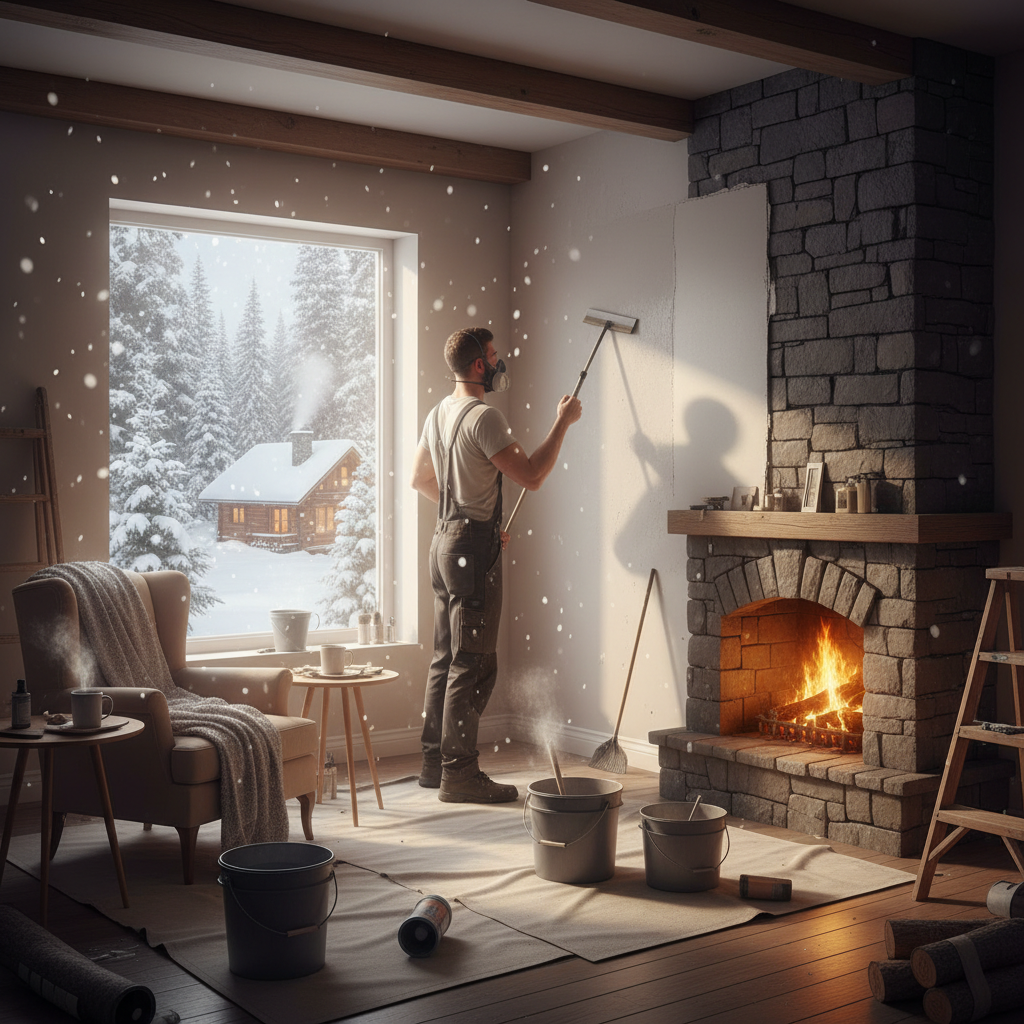
The white stuff settles gently on the ground outside, providing a picturesque scene that’s all too familiar in London’s winter. However, these cold temperatures can pose a challenge for plastering projects. As a trusted local plastering service in London, we see homeowners and landlords grapple with this dilemma every year. In this comprehensive guide, we’ll delve into the ideal temperatures for plastering in winter, how to work around the challenges of the season, and practical tips to achieve a smooth finish.
Understanding the Optimal Temperature for Plastering
Why Temperature Matters
Plaster is a moisture-based product, and its curing process is sensitive to temperature and humidity. During winter, it’s essential to ensure that:
- The temperature is above freezing.
- There is sufficient atmosphere for moisture to escape during drying.
The ideal temperature for plastering in the UK ranges between 5°C to 20°C (41°F to 68°F). Below this range, plaster may not set properly, leading to potential issues like cracking or delayed curing.
Risks of Plastering in Cold Weather
Here's what can go wrong if the temperature drops:
- Increased setting time: Plaster can take much longer to set in low temperatures, leading to delays in your project.
- Ineffective bonding: Cold conditions may prevent the plaster from adhering properly to the surface.
- Cracking and flaking: As plaster freezes or thaws, it can lead to visible cracks or flaking, necessitating repairs.
Tips for Plastering in Winter
Choose the Right Products
Some products are designed specifically for use in colder temperatures. Look for:
- Fast-setting plasters: These can be applied in lower temperatures and will set quicker.
- Modified plasters: These contain additives that improve performance in the cold.
Create the Ideal Environment
Controlling the environment around your plastering project is crucial during winter.
- Heat the space: Use electric heaters to warm the room to a minimum of 5°C before you start.
- Cover windows and doors: This prevents drafts and maintains warmth.
- Use moisture control: Dehumidifiers can help control humidity levels to prevent defects.
Ensure Proper Mixing and Application
- Mix in warmer conditions: If possible, mix your plaster in a heated space before applying it on the walls.
- Apply during the day: When temperatures are usually warmer, aim to do your plastering work in the early afternoon.
Practical Steps to Successful Winter Plastering
- Prepare the area: Clear the space where you will be working and remove any furniture if necessary.
- Check the temperature: Ensure the temperature is within the 5°C to 20°C range.
- Heat the space: Set up your heater at least a few hours before starting.
- Select your materials: Choose appropriate plaster products optimized for cold weather.
- Ensure even application: Use a straight edge to smooth out your plaster evenly.
- Monitor conditions: Keep an eye on the temperature and humidity throughout the process.
- Avoid rush jobs: Give your plaster ample time to cure.
FAQ
What is the lowest temperature I can plaster in winter?
The generally recommended minimum temperature for plastering is 5°C. Below this temperature, the plaster may not cure effectively, which can lead to poor adhesion and increased risk of cracks.
How long does it take for plaster to dry in winter?
Drying times can vary widely based on the specific plaster used and the room temperature. However, in colder conditions, expect drying time to double—in normal conditions, plaster can take anywhere from 1 to 3 days to dry completely.
Can I plaster if it snows outside?
Yes, you can still plaster if it snows outside, provided the indoor temperature is suitably controlled. Ensure the internal space is heated to above 5°C to allow proper curing.
How can I tell if my plaster is drying properly?
Look for signs such as a consistent color change to lighter shades, and check for even texture. If it is still dark or feels damp after a significant period, the conditions may not be ideal for curing.
Do I need to hire a professional for winter plastering?
While DIY enthusiasts can take on plastering, hiring a professional team like London Plastering Service ensures the job is done right, especially under challenging winter conditions. Our experienced plasterers understand how to manage the complexities of cold weather to deliver quality work.
Conclusion
Winter doesn’t have to mean the end for your plastering projects. Understanding the ideal temperatures and creating a controlled environment will empower you to achieve stunning results even in the coldest months of the year. If you’re a homeowner or property manager looking for professional plastering services in and around London, don’t hesitate to reach out to our knowledgeable team for assistance. Explore our Gallery to see our completed projects or learn more about our professional plastering team.
Contact us today to schedule a consultation and ensure your plastering projects are in trustworthy hands. Together, we’ll keep your home warm and beautifully finished throughout the winter season!
Related Plastering Guides & Services
Need Professional Plastering?
Get expert plastering services in London. Free quotes within 60 minutes.