
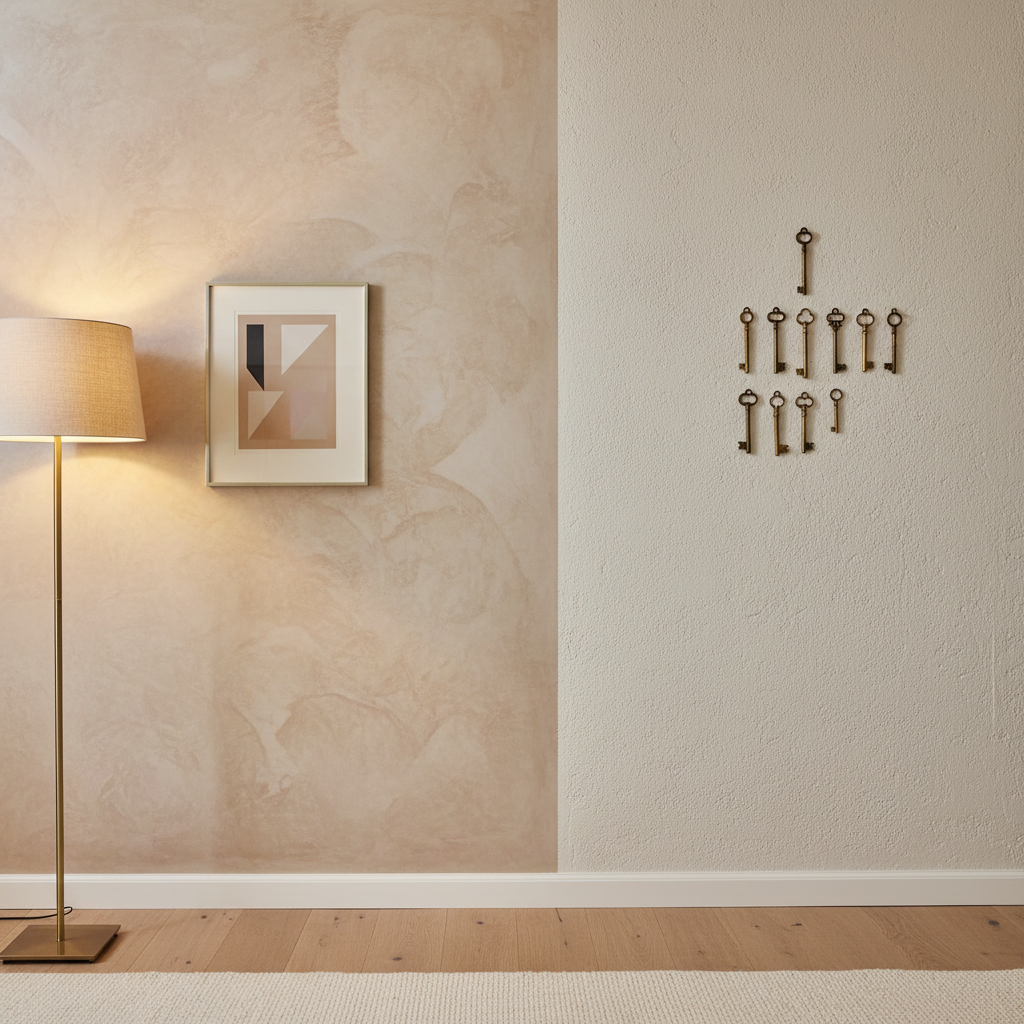
Venetian Plaster vs Regular Plaster: Key Pros and Cons
A Surprising Twist in Home Renovation
Have you ever walked into a home and been captivated by its walls? The shimmering, sophisticated finish of Venetian plaster can mesmerize even the most seasoned homeowner. But what if I told you that this luxurious finish could come at a different cost—both aesthetically and financially—compared to regular plaster? In a city like London, where home aesthetics can speak volumes about your taste, choosing the right plastering method is more crucial than ever.
In this guide, we'll take a deep dive into Venetian plaster vs regular plaster, evaluating their pros and cons to help you make an informed decision for your home. Whether you're sprucing up your flat in Notting Hill or refreshing a Victorian townhouse in Camden, read on to discover which plaster type is best suited to your needs.
What is Venetian Plaster?
The Art of Elegance
Venetian plaster, or Stucco Veneziano, is a traditional Italian plaster technique characterized by its smooth, polished surface and depth of color. It comprises a mix of slaked lime, marble dust, and pigment, often applied in multiple thin layers that create a stunning, luminous finish.
Pros of Venetian Plaster
- Visual Appeal: Unique sheen and texture.
- Durability: Resistant to cracking and mold.
- Breathability: Allows moisture to escape, preventing damage.
- Eco-Friendliness: Made from natural materials.
Cons of Venetian Plaster
- Cost: Typically more expensive than regular plaster—costing between £50 to £100 per square meter due to the labor-intensive application techniques.
- Application: Requires skilled artisans for proper installation.
- Maintenance: May need special cleaning products to maintain the finish.
What is Regular Plaster?
The Standard Simplicity
Regular plaster, often referred to as gypsum plaster, is a more straightforward, standard wall finish that many homeowners are familiar with. It’s made from a mix of gypsum, lime, and sand, providing a smooth surface that can be painted or wallpapered.
Pros of Regular Plaster
- Affordability: Generally cheaper, with costs around £10 to £30 per square meter.
- Ease of Application: Quicker to apply and less labor-intensive.
- Versatile: Suitable for a variety of finishes and decorative options.
Cons of Regular Plaster
- Less Aesthetic Appeal: Doesn't offer the same luxurious look as Venetian plaster.
- Durability: More prone to cracking over time, requiring repairs.
- Moisture Issues: Less breathable, which may lead to mildew in high-humidity areas.
Practical Tips for Choosing Plaster in London
When deciding between Venetian plaster and regular plaster, consider the following:
- Budget: Calculate your total cost, including labor and materials.
- Room Use: For areas prone to moisture (like bathrooms), regular plaster may underperform.
- Aesthetic Goals: If you're seeking a statement finish, Venetian plaster might be your go-to.
Installation Process Overview
- Surface Preparation: Ensure walls are clean and dry.
- Base Coat: Apply a base coat of regular plaster to create an even surface.
- Venetian Application (if chosen): Utilize trowels to apply thin layers, each allowed to dry before the next.
- Final Polish: Buff the surface to achieve a high gloss finish (for Venetian plaster).
- Sealing: Consider sealing the surface, especially in moisture-heavy areas.
For more detailed guidance on wall skimming services, check out our Wall Skimming London page.
FAQ: Venetian Plaster vs Regular Plaster
What is the cost difference between Venetian plaster and regular plaster?
Venetian plaster can cost between £50 to £100 per square meter due to its labor-intensive application, while regular plaster costs around £10 to £30 per square meter, making it a more affordable option for larger spaces.
How long does the installation of Venetian plaster take?
Installation can take longer than regular plaster since multiple thin layers need to dry in between applications. Expect a professional job to take anywhere from a few days to a week depending on room size.
Can I apply Venetian plaster myself?
While it's possible to apply Venetian plaster yourself, it's recommended to hire professionals unless you have prior experience. The technique requires specific tools and skills to achieve that perfect finish.
Is Venetian plaster suitable for all types of homes?
Yes, Venetian plaster can enhance any home, from modern flats to traditional houses. However, it's particularly suitable for spaces where an elegant finish is desired, such as living rooms, dining areas, and guest rooms.
How do I maintain Venetian plaster?
Cleaning should be done with a soft damp cloth and a gentle, pH-neutral cleaner. Avoid harsh chemicals that can damage the finish, and consider periodic re-application by professionals to keep it looking fresh.
Conclusion
Both Venetian plaster and regular plaster have their unique qualities and applications. If you're leaning towards the artistic, luxurious finish of Venetian plaster, be prepared for a larger budget and a longer installation time. On the other hand, if functionality and cost are paramount, regular plaster might be the right choice for you.
Contact London Plastering Service today to discuss which plastering option will best suit your London home. Let our professional plastering team bring your vision to life!
Check out our Gallery to view completed projects and get inspired by our exquisite finishes!
Related Plastering Guides & Services
Need Professional Plastering?
Get expert plastering services in London. Free quotes within 60 minutes.