
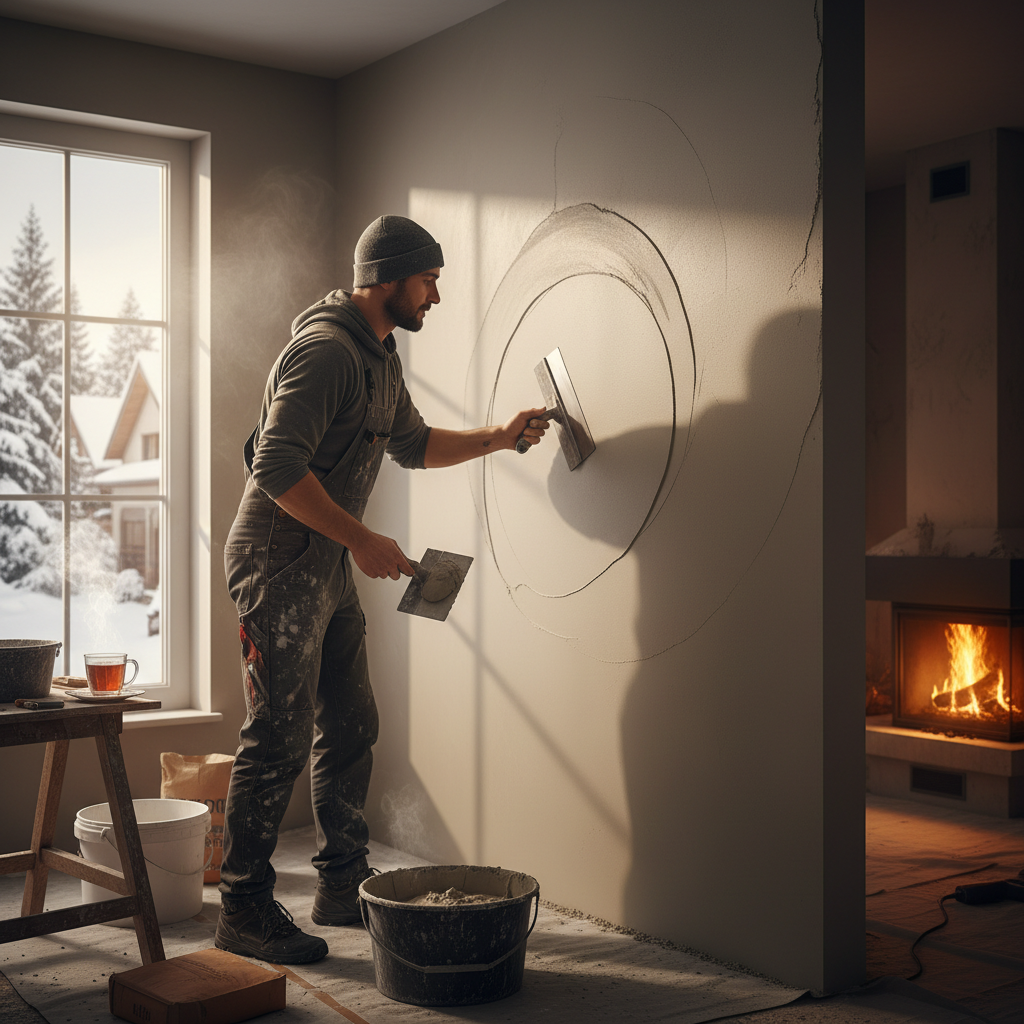
Understanding Winter Plastering Temperatures in the UK
What Temperature to Plaster in Winter UK
Have you ever attempted to undertake some home improvements during winter, only to be halted by the cold, clammy air outside? You're not alone! Many London homeowners find themselves staring out at the dark, damp weather, unsure if they should tackle interior plastering in temperatures that seem to plummet overnight. Surprisingly, plastering in winter, particularly in the UK, requires a bit of know-how to avoid disappointment.
In this guide, we’ll explore everything you need to know about the right temperatures for plastering during winter months in the UK, practical tips to ensure the best results, and answer some frequently asked questions to arm you with knowledge.
The Ideal Temperature Range for Plastering in Winter
When it comes to plastering, temperature is crucial. The general consensus is that plastering should be carried out within a temperature range of 5°C to 32°C (41°F to 89.6°F). However, during winter in the UK, especially in London, we must focus on achieving the upper edge of this range.
Below 5°C, plaster can take significantly longer to dry, leading to various complications such as cracking and poor adhesion. Ideally, you want to ensure:
- Indoor Temperature: Between 10°C and 20°C to allow proper curing.
- Humidity Control: Try to maintain humidity below 70% to prevent moisture-related issues.
To maintain optimal conditions, using heaters or dehumidifiers may be necessary.
Challenges of Winter Plastering in London
Wintertime in London can be particularly challenging for plastering due to:
- Cold and Damp Air: Areas like Greenwich and Camden can have high moisture levels.
- Variable Heating: Older homes may struggle to maintain a consistent temperature.
- Fewer Daylight Hours: With shorter days, working hours are limited, affecting progress.
These factors highlight the importance of planning and preparation when you choose to plaster in winter.
Tips for Plastering in Winter
Here are valuable tips to ensure successful plastering during the winter months:
- Check Weather Conditions: Monitor forecasts to avoid adverse weather on workdays. Avoid plastering on extremely cold or rainy days.
- Warm Up the Room: Use electric heaters to raise the temperature of the room before starting the job. Make sure it's set to a comfortable range at least an hour before plastering begins.
- Use the Right Mix: Some plaster types are designed for cooler temperatures; ensure your materials are suitable for winter conditions.
- Plan for Drying Time: Be aware that drying times will be longer in cold weather; allow extra time before scheduling any painting or decoration.
- Avoid Drafts: Seal windows and doors to prevent drafts that can lower the room’s temperature during application.
Implementing these practical steps can significantly enhance your plastering experience this winter.
FAQ
1. Can I plaster my walls in winter?
Yes, you can plaster in winter, but it’s essential to monitor temperatures and control humidity. Ensure the room is warm enough, ideally between 10°C and 20°C.
2. What happens if I plaster in too low temperatures?
If you plaster in temperatures below 5°C, the drying time increases, which may lead to cracks or issues with adhesion. This can result in a poor finish that requires you to redo the work.
3. How long should I wait to paint plastered walls in winter?
Typically, you should wait at least 24 to 48 hours for the plaster to initially dry, followed by another 2-4 weeks for complete curing before painting in winter conditions.
4. What should I do if my plaster freezes?
If you suspect that your plaster has frozen, it’s crucial to remove it and start again once the temperature allows for proper drying conditions. Using frozen plaster could lead to cracking and poor finish.
5. Where can I find local plasterers in London?
For professional help, check out PlasterersNearMe for local plastering services tailored to your needs.
Conclusion: Expert Plastering Services in London
Winter plastering doesn’t have to be daunting. By following the tips outlined, keeping an eye on both temperature and humidity, and perhaps getting professional help, you can achieve stunning results, even in the coldest months of the year.
If you need assistance or are considering a plastering project this winter, don’t hesitate to reach out to our professional plastering team at London Plastering Service. We’d love to help ensure your home looks its best, regardless of the season. You can also check our gallery to see images of our completed projects. For more tips, visit our blog for guidance tailored to your home improvement needs.
No more wondering about the right conditions for plastering—let’s get started on creating an ideal space for you this winter!
Related Plastering Guides & Services
Need Professional Plastering?
Get expert plastering services in London. Free quotes within 60 minutes.