
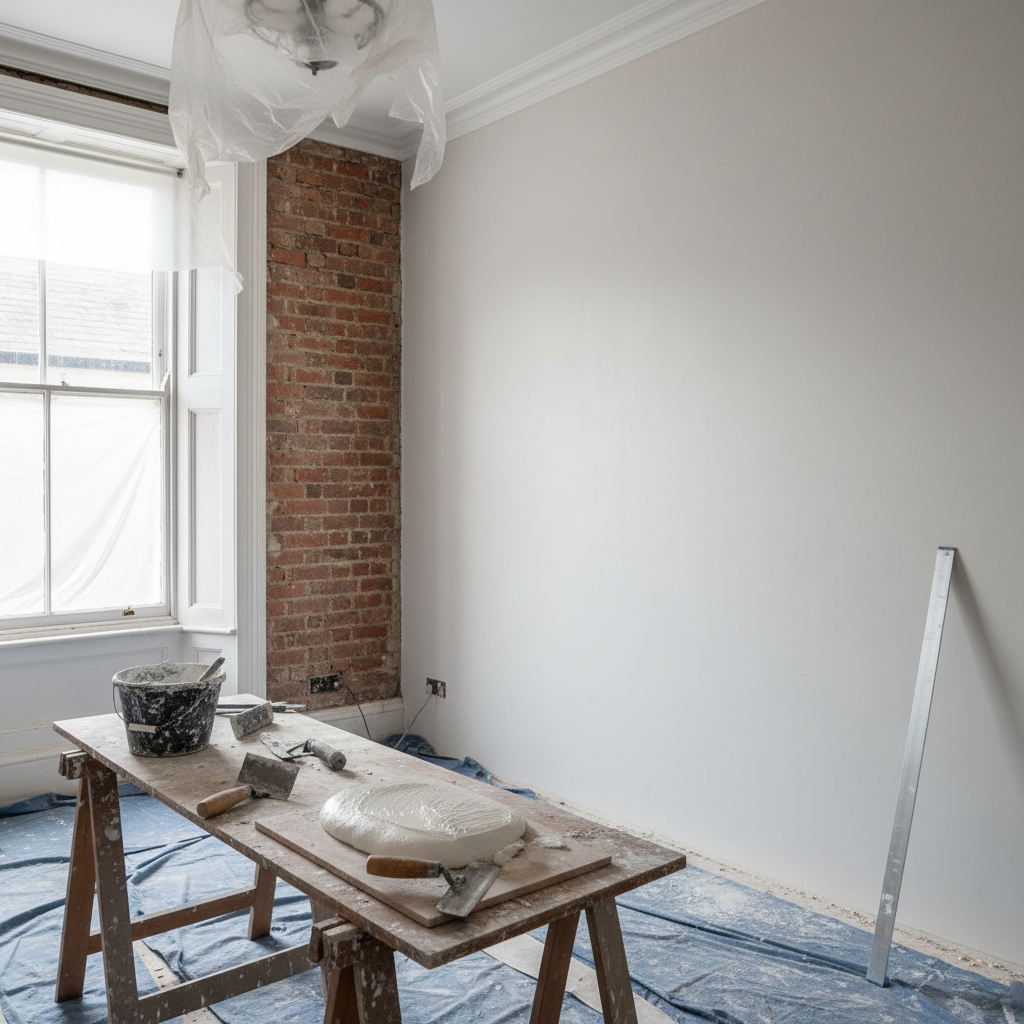
Understanding Plastering Costs for Victorian Terraces in London
Understanding Plastering Costs for Victorian Terrace Houses in London
As a homeowner in London, the very mention of a Victorian terrace house conjures images of charming architecture, historic charm, and the occasional headache when it comes to renovations. Here’s a scenario many of us can relate to: you’ve just moved into your new Victorian terrace in Clapham, and upon peeling back some old wallpaper, you uncover cracks, uneven surfaces, and the unmistakable remnants of outdated plasterwork. Knowing how to approach plastering costs in London can feel overwhelming, especially if you want to maintain the allure of your home while ensuring it remains practical and livable.
So, what exactly should you expect in terms of plastering costs for Victorian terrace houses in London? This comprehensive guide breaks down everything you need to know about plastering costs, tips for managing your budget, and common practices in various London neighborhoods.
The Basics of Plastering Costs
Understanding Plastering Type and Costs
Before diving into costs, it’s essential to understand the types of plastering services available:
- Skimming – A thin layer of plaster applied to the surface of existing walls, perfect for smoothing over imperfections.
- Replastering – Involves removing old plaster and applying new layers, a bit more costly due to laborious preparation work.
- Lime Plastering – Common in period properties; it allows walls to breathe and is essential for older homes.
Average Cost Estimates
For Victorian terrace houses in London:
- Wall Skimming: Approximately £15-£30 per m². Depending on room size, you might expect to pay around £200 to £600 for a standard living room.
- Replastering: Costs range from £30-£60 per m², with a typical living room potentially costing between £600 and £1,200 or more, especially if it requires extensive repairs.
- Lime Plastering: This can be pricier, around £40-£70 per m², suited for restoring period features while managing moisture issues.
Factors Influencing Cost
Several factors contribute to plastering costs in Victorian houses, including:
- Condition of Existing Walls: The worse the condition, the more preparation work will be needed.
- Accessibility: High ceilings, narrow stairways, and small rooms can complicate the job.
- Location in London: Costs can vary between boroughs, such as Westminster, Camden, and Islington, often reflecting the area’s overall pricing trends.
- Plastering Techniques: Traditional techniques, like lime plastering, may come with a premium due to the skill required.
Practical Tips for Budgeting Your Plastering Project
Effective Planning
- Get Multiple Quotes: Always obtain quotes from several local plasterers to ensure competitive pricing.
- Check References and Portfolio: Review previous work through our gallery to find a team whose style resonates with your vision.
- Assess Condition Thoroughly: Conduct a detailed inspection of your walls before quoting. This may save you surprises later.
Budgeting for Contingencies
- 10-20% Contingency Fund: It’s wise to reserve this amount to cover unexpected issues such as structural repairs or additional materials.
The Importance of Timing
Consider scheduling plastering work during the off-peak seasons (late fall or winter) when demand drops, potentially leading to lower prices.
FAQ
What is the average cost of plastering a Victorian terrace house in London?
The average cost varies depending on the type of plastering needed, but expect to pay between £15 and £70 per m², depending on whether you are skimming, replastering, or using lime plaster.
How long does plastering a Victorian terrace take?
A moderate-sized room can take anywhere from 1 to 3 days to plaster, considering drying times and the complexity of the work. Larger or intricate jobs may require longer.
Can I plaster over old plaster?
Yes, skimming over old plaster is often done; however, evaluate the condition first. If the old plaster is crumbling or compromised, complete replastering may be the better option.
Do I need planning permission for plastering?
Generally, plastering does not require planning permission unless it involves significant structural changes. Always check with your local council if in doubt.
What areas in London are ideal for Victorian terrace homes?
Areas like Kensington, Chelsea, Clapton, and Islington are known for their beautiful Victorian terrace houses, often attracting homebuyers looking for charm and character.
Conclusion: Your Next Steps
Renovating your Victorian terrace house in London involves a careful balance of preserving its historic charm while ensuring it’s comfortable for modern living. By understanding plastering costs and planning effectively, you can avoid surprises and focus on making your home feel like new.
Ready to get started? Consult with our professional plastering team today for a free quote tailored to your specific needs, and check out our blog for more practical tips and plastering guides. Don’t let the headaches of renovation keep you up at night—let’s transform your space together!
Related Plastering Guides & Services
Need Professional Plastering?
Get expert plastering services in London. Free quotes within 60 minutes.