
Understanding Plaster Primer: A Comprehensive Guide
A Comprehensive Guide to Plaster Primer
When it comes to achieving a flawless plaster finish, understanding the role of a plaster primer is essential. A primer not only ensures better adhesion of plaster but also enhances the finish’s durability and longevity. For homeowners in London looking to enhance their walls, knowing about plaster primer can make a significant difference.
What is Plaster Primer?
Plaster primer is a preparatory coating applied to walls before plastering. Its primary role is to create a bond between the substrate (e.g., drywall, plasterboard) and the plaster. This is crucial, especially in a damp environment like London, where moisture can affect the plastering process.
Why Use Plaster Primer?
- Improved Adhesion: It helps plaster stick better to surfaces, preventing peeling and cracking.
- Moisture Resistance: Many primers are designed to repel moisture, making them ideal for bathrooms or kitchens.
- Cost-Effective: Using a primer can ultimately save you money as it reduces the frequency of repairs and re-plastering.
- Smooth Finish: It yields a better surface for plaster application, leading to a smoother overall finish.
If you want to ensure your plastering project goes seamlessly, consider using our reliable Plastering Services in London.
Different Types of Plaster Primer
-
Oil-Based Primer:
- Best for high-smoke or high-dirt environments.
- Takes longer to dry but offers great adhesion.
- Typical cost in London: £15-£25 per liter.
-
Water-Based Primer:
- Easier to clean up and dries quickly.
- Ideal for most indoor applications.
- Typical cost in London: £10-£20 per liter.
-
Alkyd Primer:
- Offers excellent sealing properties.
- Suitable for plaster ceilings and walls that have stains.
- Typical cost in London: £13-£30 per liter.
-
Specialty Primers:
- These include primers specially formulated for problem areas like mold-affected substrates.
- Typical cost in London: £20-£40 per liter.
How to Apply Plaster Primer
Steps:
-
Prepare the Surface:
- Clean the walls of dust and debris. Repair any holes or imperfections.
-
Apply Primer:
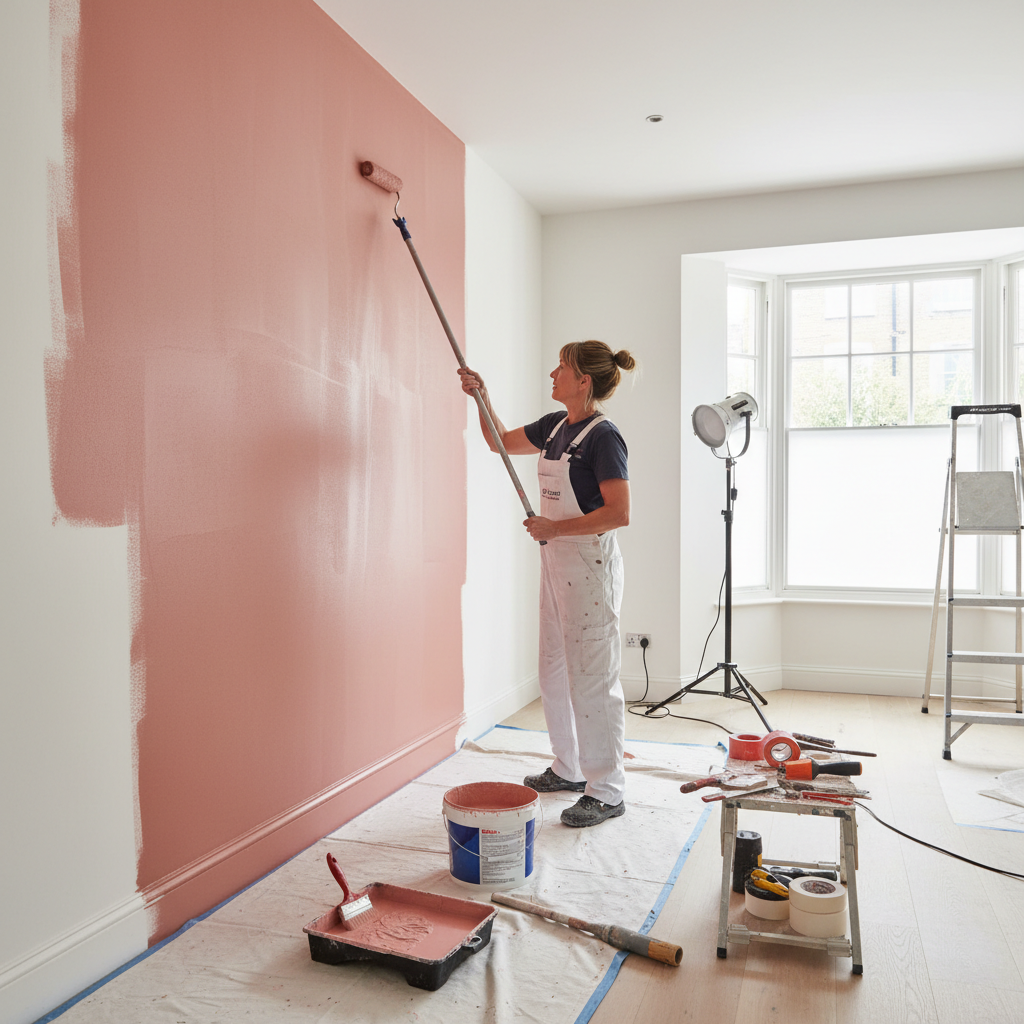
- Use a roller for large areas and a brush for corners. Ensure an even coat.
- Allow it to dry completely (check your primer's instructions, usually 1-2 hours).
-
Plaster Application:
- Start plastering once the primer is dry. This ensures an optimal bond.
Tips:
- Don't rush the drying time; it influences the final outcome.
- If using water-based primer, ensure the conditions aren't too humid.
Costs of Using Plaster Primer in London
In 2026, the costs associated with plaster primer application in London can include:
- Primer Cost: Varies by type - typically £10-£40 per liter.
- Labour Costs: Plastering services can range from £30 to £50 per hour depending on the complexity of the work.
- Estimated Total: For a small room, expect to pay around £100-£250, considering materials and labour.
For accurate pricing estimates, check our page on Plastering Prices London.
Frequently Asked Questions (FAQs)
1. Do I need to use a primer before plastering?
Using a primer is highly recommended. It provides better adhesion for the plaster and prevents future issues.
2. Can I skip primer on new drywall?
While some plasterers might suggest it, using a primer on new drywall is essential for a good finish and durability.
3. What happens if I don’t use primer?
Without primer, plaster can crack or peel over time, leading to costly repairs. It's not worth the risk!
4. Is water-based primer suitable for all situations?
Water-based primers are great for most indoor applications but may not be suitable for areas with high moisture levels unless specified.
5. How long should I wait between priming and plastering?
Typically, you should wait at least 1-2 hours or until the primer is completely dry before applying plaster.
Conclusion
Using a plaster primer effectively can greatly enhance your plastering projects, ensuring a smooth finish and long-lasting walls. Whether you're based in Westminster, Camden, or any other London borough, it's essential to approach plastering with care.
If you need professional help or have questions regarding plastering in London, our team at London Plastering Service is here to offer reliable and expert assistance. Contact us today for a quote and ensure your walls are in expert hands!
Call to Action
Ready to achieve those perfect walls? Contact us today for a consultation and discover how our premier plastering services can transform your living space. Visit Plasterer London for more information!
Related Plastering Guides & Services
Need Professional Plastering?
Get expert plastering services in London. Free quotes within 60 minutes.