
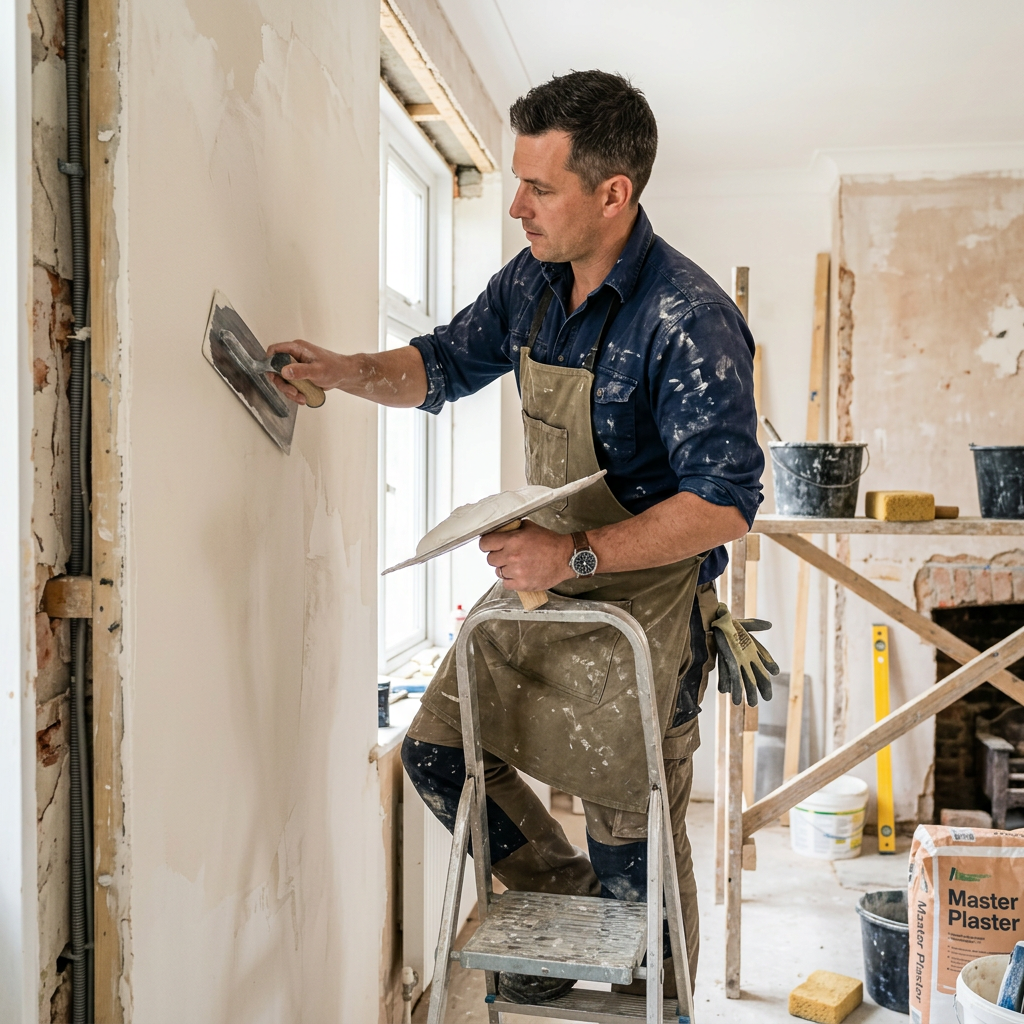
Understanding How Many Coats of Plaster You Need
Introduction
Imagine this: you’ve just moved into a charming Victorian home in Islington, but the plaster on the walls tells a different story—cracks, imperfections, and an uncanny resemblance to Swiss cheese. You might feel overwhelmed thinking about how many coats of plaster you’ll need to get those walls looking as good as new. In plastering, every coat serves a purpose, and the number of coats can vary based on the surface condition, type of plaster used, and your aesthetic goals.
In this guide, we’ll explore how many coats of plaster you might need and why it matters. You’ll gain insight into the best practices, factors to consider, and actionable steps to achieve that smooth finish you crave without breaking the bank. Let’s dive in!
Understanding Plastering Basics
Plastering involves applying a mix of materials over walls to create a smooth and durable finish. The process usually involves multiple layers—each referred to as a coat:
- Base Coat: This is the initial layer applied to the wall surface. It is often thicker and is meant to fill in any imperfections and create a solid foundation.
- Finish Coat: This is the final coat that gives the wall its smooth appearance. It’s usually thinner and can be refined to achieve the desired texture and aesthetic.
Factors Impacting the Number of Coats
Several factors influence how many coats of plaster you’ll need:
- Surface Condition: Existing imperfections, such as cracks and holes, may require extra layers for a flawless finish.
- Plaster Type: Different types of plaster (traditional sand and cement, gypsum, etc.) have different application techniques and may need varying coats.
- Desired Finish: If you’re seeking a sleek, modern finish, you’re likely to require an additional coat compared to a textured look.
How Many Coats of Plaster Do You Need?
In general, most plastering jobs will require:
- 1 Coat: For minor patch repairs or smooth surfaces that only need a touch-up.
- 2 Coats: A typical plaster job for standard wall surfaces to ensure even coverage and a good finish.
- 3 Coats: For walls with complex surfaces or significant damage that need more attention. This includes the base coat, a second application to fill voids, and a finish coat.
Practical Steps for Plastering your Walls
If you're planning to do your own plastering, follow these steps for best results:
- Preparation: Clean the surfaces thoroughly, removing dust and debris. Repair any major damages beforehand.
- First Coat Application: Mix the plaster according to the instructions. Apply the base coat using a trowel, focusing on covering the entire area. Allow it to dry according to the plaster type.
- Second Coat: Once the first coat has dried, apply the second coat. This should be thinner, aiming for a smooth finish.
- Finish Coat: After allowing the second coat to dry, apply the finish coat. Keep your trowel wet for easier smoothing.
- Sanding and Finishing: Once everything is dry, lightly sand the surface to ensure it's perfectly smooth.
For dimensions on costs, you can expect to pay around £15-£25 per square meter for plastering services in greater London, including areas such as Camden and Southwark.
FAQ
## How long does plaster take to dry between coats?
Typically, plaster takes around 24-48 hours to dry between coats, but this can vary based on the type of plaster and environmental conditions. Always check the product details for specific drying times.
## Can I plaster over existing paint?
While plastering over paint is possible, it’s not advisable. It’s best to strip or properly prepare the painted surface to ensure a strong bond for the new plaster. This may involve sanding or using a bonding agent.
## Do I need to use a primer before plastering?
Using a primer can be beneficial, particularly on new plaster. It helps seal the surface and enhances adhesion for paint or additional plaster layers.
## What are the signs I need more than one coat?
If you see visible cracks after your first coat, or if the surface feels uneven or rough, you’ll likely need another coat to achieve a smooth finish.
## Should I hire a professional plasterer?
If you’re unsure about your plastering skills or have complex walls, it’s a good idea to hire a professional from London Plastering Service. A skilled plasterer will ensure the job is done right and efficiently.
Conclusion
Understanding how many coats of plaster you need can set the stage for a successful plastering project, whether you’re a homeowner, landlord, or property manager. Planning for the appropriate number of coats will save you time, money, and countless hours of stress trying to achieve that perfect wall finish.
If you’re located in vibrant neighborhoods like Brixton or Hackney, remember that the team at London Plastering Service is here to help. With our skilled plasterers, your walls will not only look great but will be wonderfully durable as well.
For more tips on plastering and home improvement, check out our Blog for a wealth of information. Ready to transform your walls? Contact us today to get a quote!
Related Plastering Guides & Services
Need Professional Plastering?
Get expert plastering services in London. Free quotes within 60 minutes.