
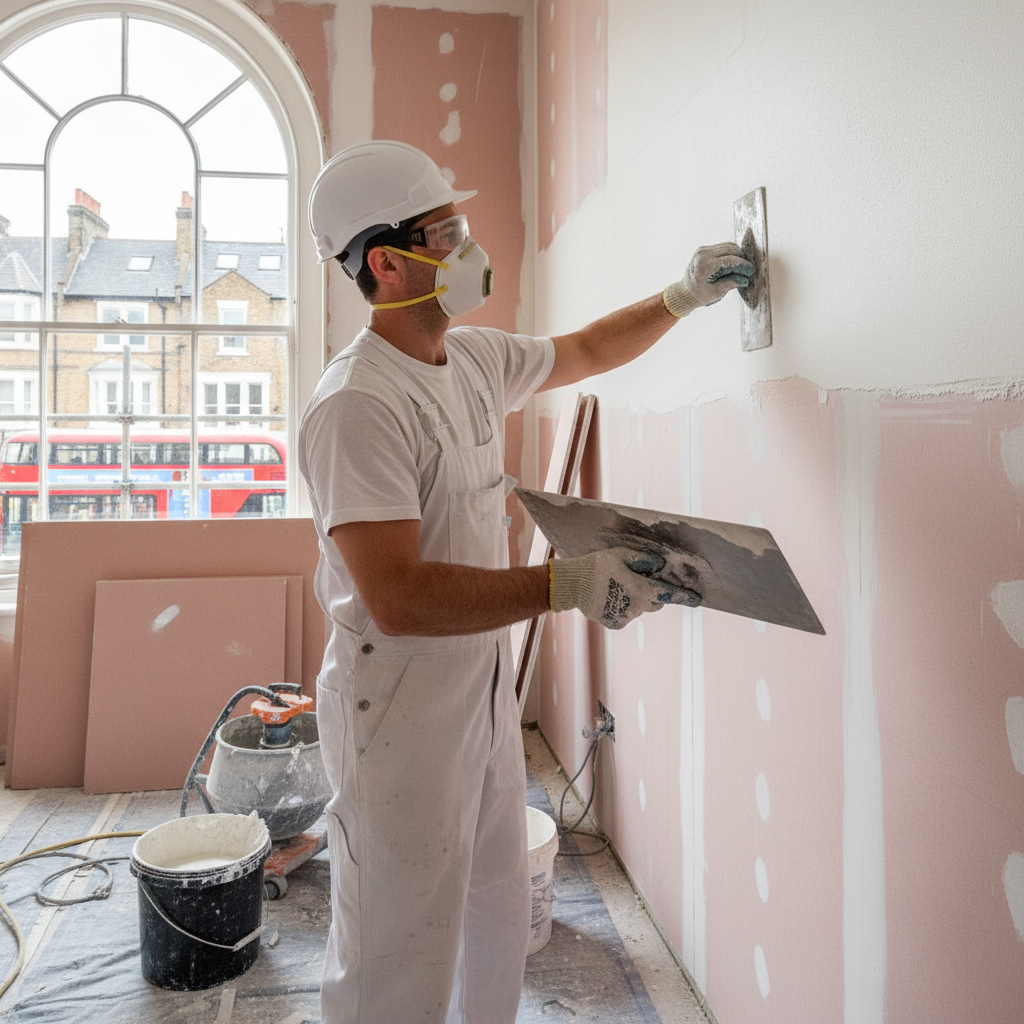
Understanding HMO Plastering Requirements for Fire Safety
Understanding HMO Plastering Requirements for Fire Safety in the UK
Imagine this: it's a cool evening in Clapham, and your tenants are settling down for the night when suddenly, the fire alarm goes off. You rush to check on your property, only to find that the plaster in the shared hallway hasn't held up to the build-up of heat and smoke. This scenario isn't just alarming; it’s a wake-up call for every landlord and property manager overseeing Houses in Multiple Occupation (HMOs). In the UK, fire safety regulations dictate strict plastering requirements to safeguard the lives of your tenants.
This comprehensive guide will delve into what plastering standards you need to meet for your HMO, ensuring that you're legally compliant while keeping your tenants secure.
What is an HMO?
A House in Multiple Occupation (HMO) is a property rented out by at least three people who are not from one 'household' (e.g. a family) but share facilities like bathrooms and kitchens. In London, HMOs are prevalent, especially in boroughs like Camden, Islington, and Westminster, catering to students, young professionals, and transient workers.
Importance of Fire Safety in HMOs
When renting an HMO, the safety of your tenants is paramount. According to UK legislation, all HMOs must comply with fire safety regulations set forth by the Fire Safety Order 2005. This includes ensuring that plastering and finishes used in the property meet specific fire resistance criteria to prevent fire spread and to protect the structural integrity of the building.
Understanding Plastering Fire Safety Requirements
The key fire safety regulations that relate to plastering in HMOs include:
- Fire-resistant Plaster: Use plasters with a specific fire resistance rating. Gypsum-based plaster often provides good fire resistance.
- Thickness Requirements: Plaster thickness should be a minimum of 12.5mm in most areas, but in some cases, it might need to be thicker to meet specific building regulations.
- Finish Specifications: Ensure that finishes and coatings used on plaster meet the fire safety standards required by your local council.
Steps to Ensure Compliance
- Conduct a Fire Risk Assessment: Before any work begins, carry out a thorough fire risk assessment of your property.
- Use Certified Materials: Source materials that are CE marked and comply with British Standards (BS).
- Hire Qualified Plasterers: Work with experienced plasterers who understand HMO regulations; consider checking about our professional plastering team to ensure you're hiring experts.
- Regular Inspections: Schedule regular inspections of both plaster and overall fire safety compliance to maintain tenant safety.
- Document Everything: Keep records of all works completed and certificates for materials used as proof of compliance.
Additional Factors for HMO Plastering
Besides fire safety, consider the following factors when selecting the right plastering method for your HMO:
Acoustic Performance
When multiple tenants share living spaces, noise can become an issue. Use acoustic plaster boards where necessary to reduce sound transmission between units.
Sustainability
Opt for eco-friendly materials to enhance the green credentials of your property, thereby attracting eco-conscious tenants. Sustainability is becoming significantly more important for many potential renters in vibrant areas like Shoreditch or Brixton.
Aesthetics
Ultimately, the finish of your plaster can affect tenant satisfaction. A well-finished plastered wall enhances the overall appearance of your property, potentially increasing your rental income.
Practical Tips for Landlords
- Prioritize compliance to avoid potential penalties ranging from £30,000 fines to prosecution.
- Invest in high-quality materials and skilled labor; the typical cost for HMO plastering in London ranges from £30 to £50 per square meter, depending on the job's complexity.
- Consider long-term maintenance and warranty for products used in your plastering work.
Regular upkeep not only keeps your tenants safe but preserves the value of your property in competitive rental markets.
FAQ
What is the minimum thickness for plaster in an HMO?
The minimum thickness for plaster in an HMO should be around 12.5mm, but you may need to increase this in certain fire safety scenarios. Always check local regulations for specific requirements.
Can I use standard plaster in my HMO?
While standard plaster may be suitable for some applications, for HMO purposes, it’s essential to use materials with fire-resistant capabilities.
How much does plastering an HMO cost in London?
Pricing varies; however, you can expect to pay £30 to £50 per square meter, depending on the quality and finish you require.
Are there specific fire safety standards for HMOs in London?
Yes, London follows specific guidelines as per the Fire Safety Order 2005, and you must adhere to local council regulations as they can vary from borough to borough.
How can I find qualified plasterers in my area?
You can find qualified local plasterers through our listing of plasterers near you or contact local service providers for recommendations.
Conclusion
Keeping your HMO compliant with fire safety regulations is not just about adhering to laws; it’s about protecting lives. By understanding the plastering requirements necessary for fire safety in UK HMOs, you safeguard your investment and foster a secure living environment for your tenants. If you’re looking to ensure your property meets these requirements, don’t hesitate to reach out to us at London Plastering Service. Our expert team is equipped to handle all your plastering needs with a keen focus on compliance and quality. Let's work together to create safe and beautiful homes for tenants across London!
Explore our gallery of completed projects for inspiration, and don't forget to check out our blog for more plastering tips and guides.
Related Plastering Guides & Services
Need Professional Plastering?
Get expert plastering services in London. Free quotes within 60 minutes.