
Understanding Bonding and Finish Coat Plastering
The Essential Difference Between Bonding Coat and Finish Coat Plastering
Imagine this: you’ve just moved into a charming flat in Kensington, London. The ceilings are high, the natural light pours in, but the walls? Let’s just say they could use some love. As you start to plan your renovations, you hear the terms bonding coat and finish coat plastering thrown around. But what do these mean, and how do they affect the look and feel of your home?
Understanding the difference between these two types of plaster is pivotal if you want beautiful, long-lasting walls. In this blog post, we will dive deep into what bonding and finish coats are, when to use them, and how they can transform your space.
What is Bonding Coat Plastering?
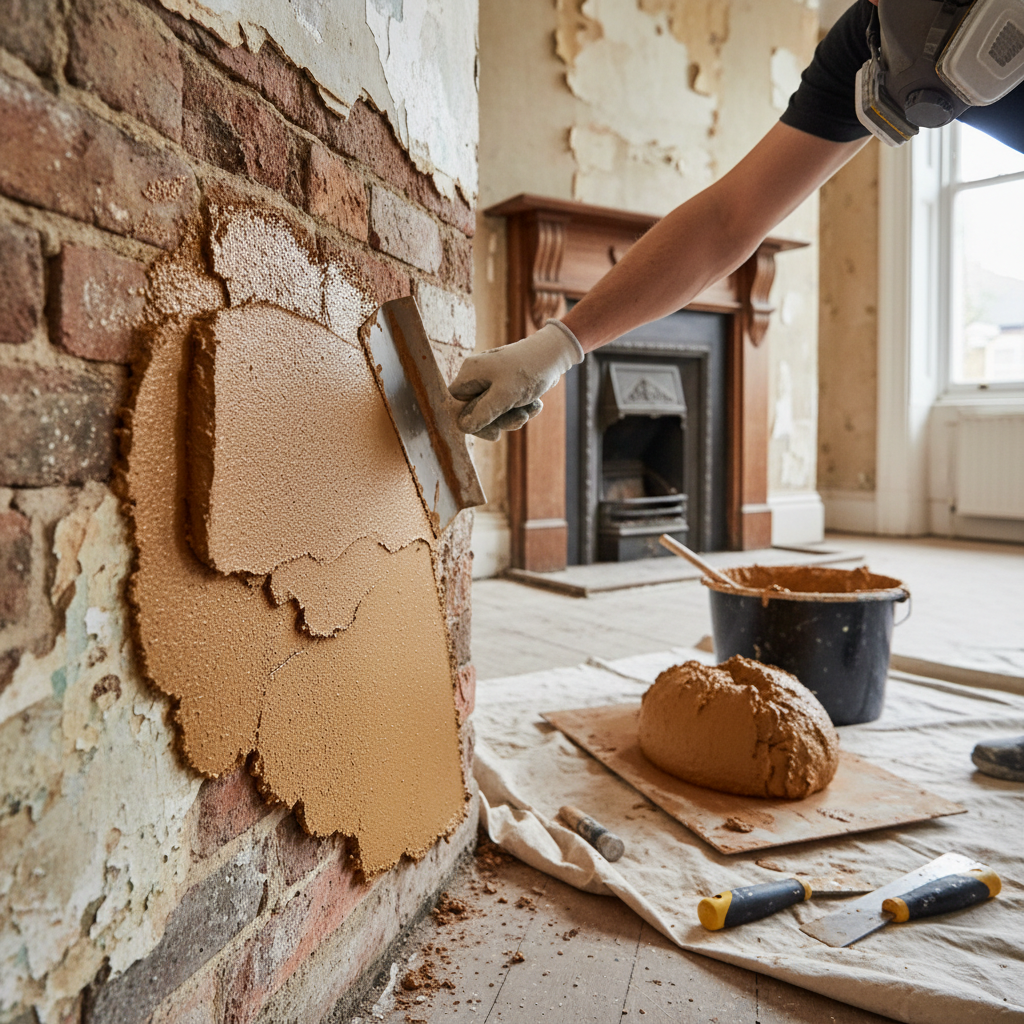
Bonding coat plaster is often the first step in a plastering project, particularly when it comes to plastering over a rough or uneven surface. Here’s what you need to know:
Characteristics of Bonding Coat Plaster
- Composition: It typically contains a mixture of sand, cement, and water, designed to adhere well to difficult surfaces.
- Texture: The finish is often rough and porous, facilitating the adherence of subsequent layers.
- Drying Time: Bonding coats usually take a bit longer to set and dry thoroughly, often between 24 to 48 hours.
When to Use a Bonding Coat
- When you are applying plaster over old painted surfaces.
- On brick or block walls that need leveling.
- For areas that require a thick layer of plaster to correct unevenness in the walls.
What is Finish Coat Plastering?
Once your bonding coat has set and provided a stable base, you’ll want to consider the finish coat. It’s what gives your walls that polished look that you see in beautiful homes across London.
Characteristics of Finish Coat Plaster
- Composition: This coat is typically made up of finer materials, such as lime or gypsum, providing a smoother finish.
- Texture: Unlike the bonding coat, finish coats are smoother and designed to be nice to the touch and pleasing to the eye.
- Drying Time: Finish coats generally dry quicker than bonding coats, often within 24 hours, depending on the thickness.
When to Use a Finish Coat
- After your bonding coat has set.
- When you want to create a decorative finish, potentially incorporating textures that can be painted or wallpapered.
Bonding Coat vs. Finish Coat: Key Differences
| Aspect | Bonding Coat | Finish Coat | |---------------------|-----------------------------------|-----------------------------------| | Purpose | Provides a good base for plastering| To create a smooth, painted finish | | Texture | Rough and porous | Smooth and refined | | Composition | Coarse materials | Fine materials | | Application Timing | First coat applied before finish coat | Final coat applied after bonding coat |
Practical Tips for London Homeowners
Renovating your home in neighborhoods like Islington, Richmond, or Borough can be a rewarding experience. Here are some practical tips:
- Assess Your Walls: Before you start, identify if your walls need a bonding coat or if they can go straight to the finish coat.
- Hire Experts: Consider hiring professional plasterers such as London Plastering Service to ensure quality work and save time.
- Use Quality Materials: Always opt for high-quality plaster products to achieve the best results.
- Consider Local Climate: The drying times can vary depending on London’s humidity and temperature, so plan accordingly.
- Budget Wisely: Expect to spend around £15-£25 per square meter for bonding coat application, and about £10-£20 for finish coat application, depending on labor and materials.
FAQ
## 1. How many coats do I need?
Typically, in plastering jobs, you will need at least two coats: a bonding coat followed by a finish coat. However, in some cases, additional coats may be required if the walls are especially rough or if you desire a decorative finish.
## 2. Can I apply the finish coat myself?
While it’s possible to apply a finish coat by yourself, it is recommended to hire professionals, especially if you aren’t experienced. A smooth finish requires skill to get right, which is worth the investment!
## 3. How long will the plastering process take?
The entire process can take anywhere from a few days to a week. It depends on factors such as the size of the space, the number of coats applied, and drying time.
## 4. Is there a difference between interior and exterior plastering?
Yes, exterior plastering usually requires weatherproof materials and may involve different techniques. Always check with your plastering expert, like those at About, for the right approach.
## 5. What if my walls are too uneven?
In some cases, especially in older London properties, walls can be quite uneven. A bonding coat is essential in these situations to create a level base before applying a finish coat. Consider hiring local plasterers if the work seems daunting.
Conclusion
Now that you know the difference between bonding coat and finish coat plastering, you’re better equipped to tackle your renovation projects in London. Whether you’re a homeowner or managing properties, understanding these layers will help ensure your walls look stunning and last for years.
If you're ready to transform your walls or want further help with plastering, don’t hesitate to reach out to London Plastering Service. Our professional team is here to assist you with high-quality plastering solutions throughout London. Check out our gallery for inspiration from completed projects and start your journey to beautifully plastered walls today!
Related Plastering Guides & Services
Need Professional Plastering?
Get expert plastering services in London. Free quotes within 60 minutes.