
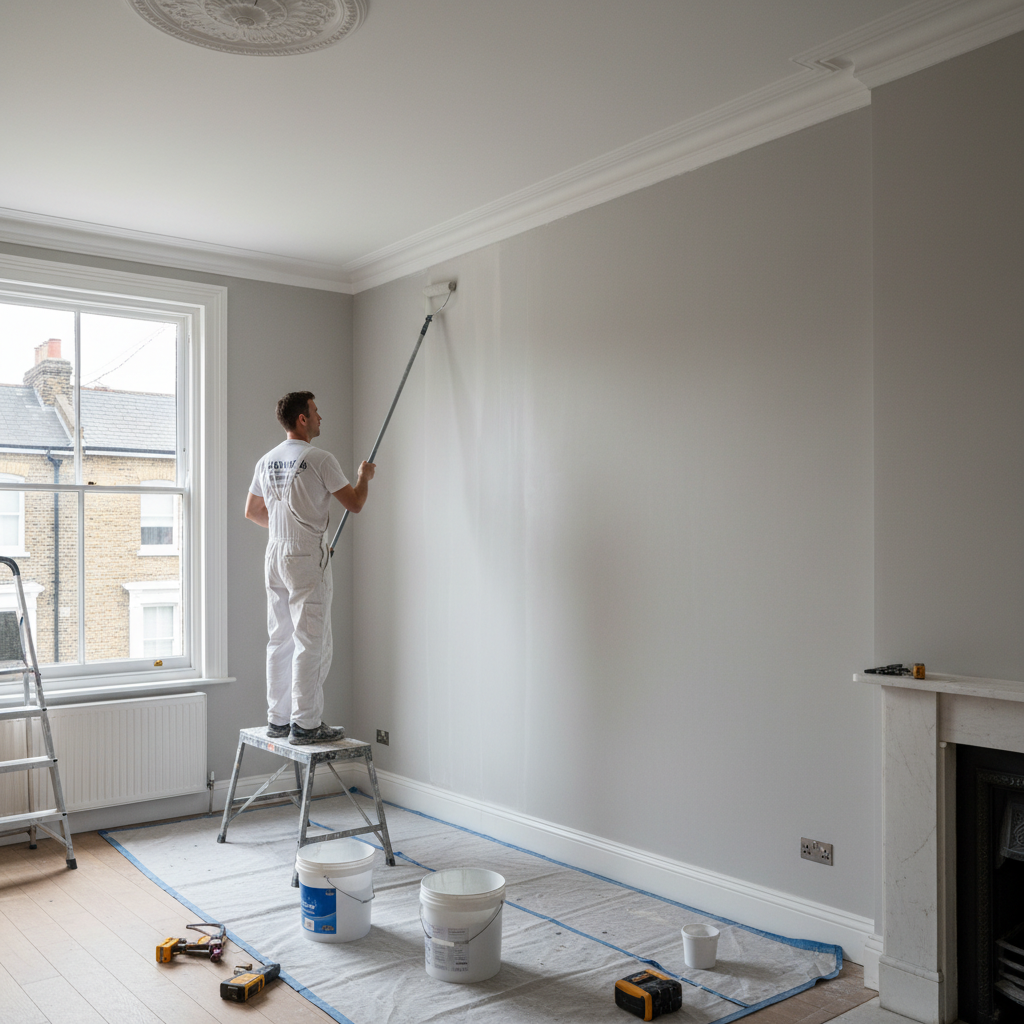
Ultimate Guide to the Best Primer for New Plaster Walls
The Ultimate Guide to the Best Primer for New Plaster Walls
Selecting the right primer for new plaster walls is essential for achieving that impeccable finish you desire. A good primer helps seal the surface, enhances paint adhesion, and can even affect the overall appearance and longevity of your paint job. At London Plastering Service, we understand the nuances of plaster and painting, and we’re here to help you make the best choice.
Understanding New Plaster
New plaster is porous and has a chalky texture. This means it can absorb moisture quickly and may create inconsistencies in paint application. Therefore, applying a suitable primer is critical to ensuring a uniform finish.
Why Use Primer?
- Seals the Surface: Prevents moisture absorption that could lead to peeling.
- Enhances Adhesion: Ensures that the paint adheres better to the wall.
- Reduces Topcoat Paint Consumption: Helps avoid multiple paint layers and saves costs.
- Improves Finish: Creates a smoother and uniform surface for paint.
Best Primers for New Plaster Walls
When it comes to choosing the best primer for new plaster walls, several brands and types stand out in the London market as of 2026. Below is a comprehensive review:
1. Zinsser Bulls Eye 1-2-3
- Type: Water-based primer
- Price: Approximately £20 per litre.
- Features: Excellent adhesion, moisture resistance, and fast drying. Ideal for covering tricky substrates.
- Best For: Ensuring a solid base under any paint.
2. Dulux Trade Supermatt
- Type: Flat matt emulsion primer
- Price: Around £26 per 2.5 litres.
- Features: Provides a smooth finish and excellent opacity.
- Best For: Reducing the number of topcoats needed.
3. Johnsons Trade Super Matt
- Type: Matt emulsion
- Price: Roughly £24 per 2.5 litres.
- Features: Covers well and dries quickly for a flat finish.
- Best For: Concealing imperfections in new plaster.
4. Crown Trade Matt Primer
- Type: Acrylic primer
- Price: Approximately £30 for 2.5 litres.
- Features: Good adhesion, moisture regulation, and suitability for indoor and outdoor surfaces.
- Best For: A versatile option for various applications.
5. Bonda Matt Primer
- Type: Alkali-resistant primer
- Price: Available around £22 per litre.
- Features: Excellent for new plaster and inhibits mold growth.
- Best For: Use in areas prone to dampness.
Application Tips for New Plaster
To achieve the best results when applying primer to new plaster walls, follow these expert tips:
- Prepare the Surface: Ensure the plaster is fully dry before priming. This can take anywhere from 1-3 weeks based on humidity.
- Clean the Walls: Dust and debris can affect adhesion.
- Use the Right Tools: A smooth roller or brush will provide a better finish.
- Apply Even Layers: Use a consistent amount of pressure when applying primer.
- Allow to Dry Completely: Follow manufacturer recommendations, generally 1-2 hours for water-based primers.
- Inspect and Touch Up: After drying, check for any missed spots and touch up as necessary.
Pricing Considerations in London
In London, service costs vary widely based on several factors:
- Borough: Prime areas like Kensington and Chelsea might see higher costs compared to less affluent areas like Barking and Dagenham.
- Condition of Walls: Walls needing extensive prep work may incur additional labour costs.
- Type of Primer Chosen: Premium primers might add to material costs but offer long-term benefits.
- Average Cost for Labour: Expect to pay around £120-£180 per day for professional plastering services across London.
For precise plastering costs, refer to our article on Plastering Prices London.
Frequently Asked Questions
1. How long should plaster dry before priming?
New plaster typically takes 2-3 weeks to fully dry. Testing with a moisture meter can help determine readiness.
2. Can I use regular paint instead of primer on new plaster?
No, using regular paint can lead to peeling and uneven application. Primers are specifically formulated for this purpose.
3. What happens if I skip priming?
Skipping primer can lead to an uneven finish, increased paint absorption, and reduced paint durability.
4. How many coats of primer do I need?
Generally, one coat of primer is sufficient for new plaster; however, you may apply a second coat in specific conditions or for darker paints.
5. Is it necessary to prime ceiling plaster as well?
Yes, it's equally important to prime ceiling plaster to ensure proper adhesion of ceiling paint and a polished finish.
Conclusion
Choosing the right primer is crucial for achieving a high-quality finish on new plaster walls. By following the guidelines in this article and selecting from the recommended primers, you can ensure lasting results. For professional assistance tailored to your specifications, take the next step with London Plastering Service. Contact us today to schedule an assessment and enjoy beautifully finished walls!
For more detailed services related to plastering, feel free to explore our Wall Skimming London and Emergency Plaster Repair pages. We’re here to assist you every step of the way!
Related Plastering Guides & Services
Need Professional Plastering?
Get expert plastering services in London. Free quotes within 60 minutes.