
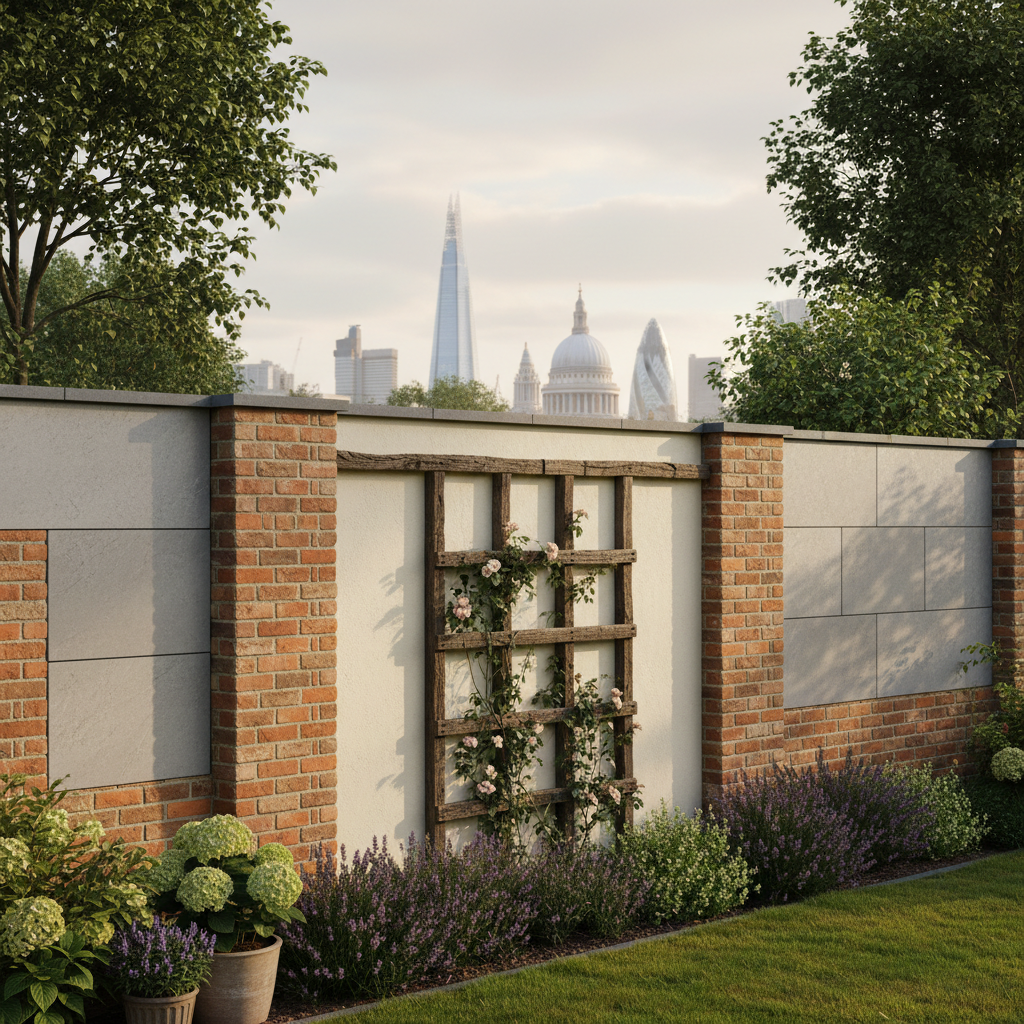
Ultimate Guide to Garden Wall Rendering for London Weather
The Ultimate Garden Wall Rendering London Weatherproofing Guide
Picture this: It's a rainy Saturday afternoon in South London. You’ve just finished a cup of tea and look out onto your garden, only to glimpse the dreaded patch of damp on your garden wall. It’s a common scenario for London homeowners. The unpredictable British weather can take a toll on outdoor surfaces, and that’s where garden wall rendering comes into play. Understanding how to properly render your garden wall can not only enhance its appearance but also provide crucial weatherproofing.
Why Garden Wall Rendering?
Garden wall rendering serves multiple purposes, particularly in a climate like London’s:
- Aesthetic Appeal: A well-rendered wall can greatly enhance your garden's overall look.
- Protection: Rendering forms a barrier against moisture, preventing mold and decay.
- Longevity: Properly rendered walls can last for decades, saving you money on repairs.
Whether you’re in Camden or Greenwich, maintaining your garden walls is essential.
Understanding the London Weather's Impact
London's weather is notorious for its unpredictability. With frequent rains and occasional frost, your garden walls often bear the brunt of the elements.
Common Issues from Weather Exposure:
- Damp: Moisture can seep into unprotected walls, leading to significant damage.
- Cracking and Peeling: Freeze-thaw cycles can cause surfaces to crack.
- Mold Growth: Damp walls provide an ideal breeding ground for mold and mildew.
Choosing the Right Render
In London, you have to choose a render that withstands the unique climate:
- Cement Render: Durable and affordable, perfect for rough and weather-prone areas.
- Lime Render: More flexible and breathable, suitable for older properties to allow moisture escape.
- Acrylic Render: Offers more colour and finish options and is water-resistant.
Consider opting for a breathable render, especially if your garden wall faces direct rainfall, which is common in areas like Westminster.
Practical Guide to Rendering Your Garden Wall
Step 1: Preparing the Wall
- Clean the Surface: Remove old paint, dirt, and loose material.
- Fill Cracks: Use filler to address any significant cracks or holes.
- Dampen the Surface: Lightly mist the wall to ensure proper adhesion of the render.
Step 2: Applying the Render
- Mix Your Render: Follow the manufacturer’s instructions; add water gradually.
- First Coat: Apply a scratch coat to help the render adhere. Use a trowel to spread it evenly.
- Second Coat: Once the first coat is dry (typically 24 hours), apply the second coat, smoothing out imperfections.
Step 3: Finishing Touches
- Texture: Decide on the texture you want. Consider adding a fine finish with a sponge.
- Sealing: A final sealant can help enhance water resistance and longevity.
Estimated Costs
Rendering a garden wall in London typically ranges from £30 to £70 per square meter depending on the material used and complexity of the job. Be sure to get a few quotes to ensure you get the best deal.
Tips for Weatherproofing Your Rendered Wall
- Use High-Quality Materials: Invest in good quality renders and sealants that are designed for damp climates.
- Maintenance: Regularly check for cracks or damage and address them promptly.
- Ensure Drainage: Installing proper drainage around your garden wall can significantly reduce moisture issues.
For professional help in rendering or any wall treatments in London, visit London Plastering Service for expert guidance.
FAQ
1. How long does it take for garden wall rendering to cure?
Typically, most renders take about 7-14 days to fully cure, but this can vary based on weather conditions. Make sure to keep the wall moist during the curing period to avoid cracking.
2. Can I render over existing paint?
Rendering over paint is not recommended as it can cause peeling. It’s best to remove the paint completely to ensure good adhesion.
3. How often should I re-render my garden wall?
Re-rendering every 10-15 years is advisable, depending on the wear and weather exposure. Frequent inspections can help determine the best time for re-rendering.
4. What are the best finishes for garden wall rendering in London?
Popular finishes include smooth, scraped, and textured. A scraped finish is excellent for avoiding retention of moisture, making it particularly suitable for wetter areas.
5. Should I hire a professional for rendering?
While DIY rendering is possible, hiring professionals can ensure a higher standard finish and longevity. Check out PlasterersNearMe to find local experts near you.
Conclusion
Protecting your garden walls with proper rendering cannot be overstated, particularly in the capricious London climate. By understanding the best practices and selecting the right materials, you can enjoy a beautiful, weatherproof wall for years. If you're considering a rendering project, trust the professionals at London Plastering Service to guide you through every step. Explore our Gallery to see stunning transformations!
Don’t let the London weather take a toll on your home. Contact us today for a consultation and keep your garden walls beautiful and protected against the elements!
Related Plastering Guides & Services
Need Professional Plastering?
Get expert plastering services in London. Free quotes within 60 minutes.