
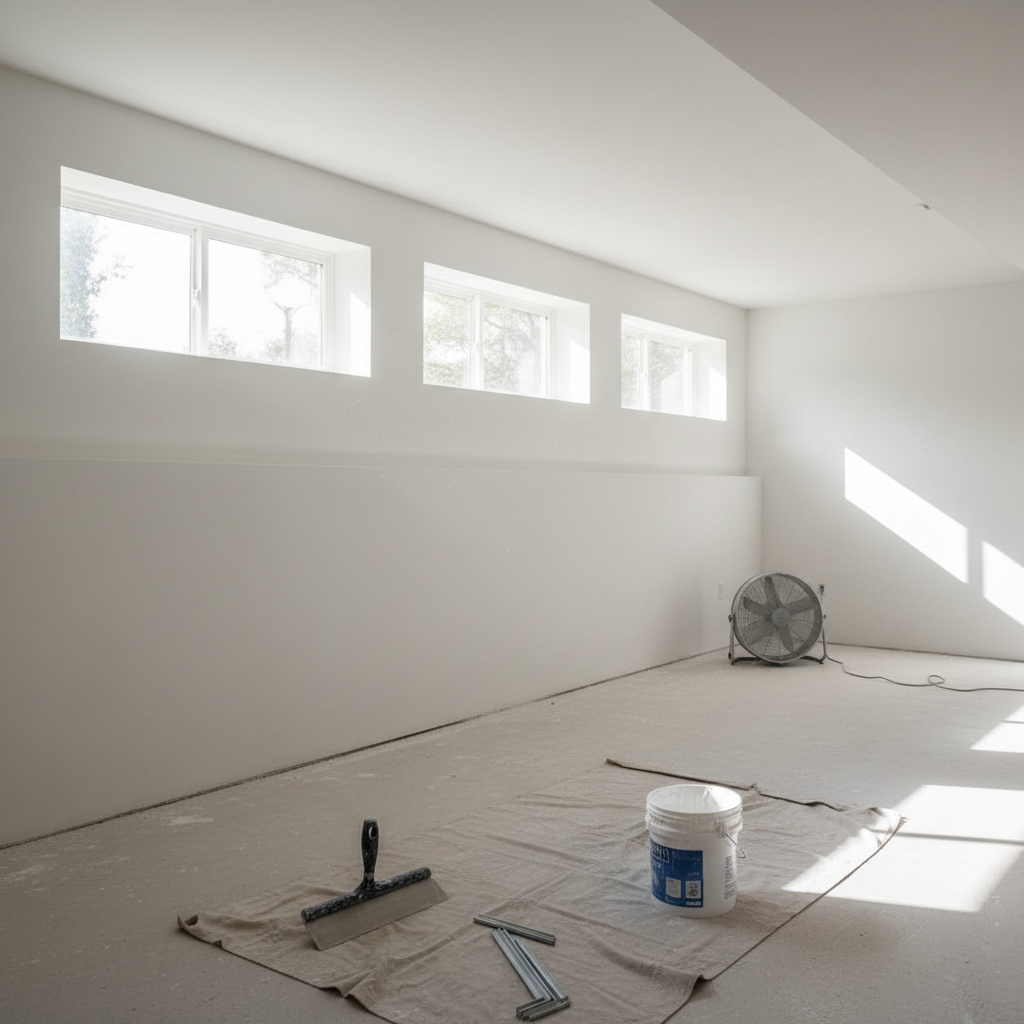
Transforming Your Basement: Expert Plastering & Damp Proofing
Transforming Your Basement: Expert Plastering & Damp Proofing
Imagine this: you’ve just unpacked your belongings in a charming North London flat, only to find the basement—a once-neglected space—calling for transformation. Whether it’s a cozy home office, an entertainment area, or a guest suite, basement conversions in areas like Islington or Camden can be a goldmine for extra living space. But before diving into all that potential, there’s a crucial step you can’t overlook: proper plastering and damp proofing.
In this comprehensive guide, we’ll walk you through everything you need to know about basement conversion plastering damp proofing. You'll learn how to ensure your damp-proofed basement remains a dry, inviting oasis. Let's get started!
Why Proper Plastering and Damp Proofing Matter
Understanding the Risks of Dampness
Dampness is a persistent issue in many London homes, particularly those with basements. Did you know that over 1 in 5 homes in the UK suffer from some form of damp? Poor plastering and inadequate damp proofing can lead not only to unpleasant smells and structural damage but also to health issues like mold and mildew. Therefore, investing in expert plastering and damp proofing enhances livability and protects your property investment.
Benefits of Basement Conversion
- Increased Property Value: A well-finished basement can significantly boost your home’s value.
- Enhanced Living Space: Convert neglected areas into functional spaces for your growing family or new hobbies.
- Versatility: Whether it’s storage, a playroom, or a home office, a basement can adapt to your needs.
The Basement Conversion Process
Before setting foot in your basement with tools in hand, it’s essential to follow a step-by-step process to ensure success.
Step 1: Initial Assessment
Evaluate your basement's existing conditions:
- Check for Dampness: Look for visible mold, damp patches on walls, or a musty smell.
- Inspect for Structural Issues: Cracks in walls or floors can indicate deeper problems.
Step 2: Damp Proofing
Choosing the Right Damp Proofing Method
Depending on your basement's condition, you may choose from several damp proofing methods:
- Cementitious Tanking: A waterproof slurry applied internally.
- Membrane Systems: A physical barrier installed to keep moisture at bay.
- Injectable Damp Proofing: Chemical damp-proofing injections into walls.
Once you choose the method, follow these steps:
- Clean the Walls: Ensure a smooth surface by removing loose material and contaminants.
- Apply the Damp Proof Course (DPC): Based on your chosen method, install your DPC properly to ensure maximum protection.
- Conduct a Rain Test: To ensure the damp proofing is effective, consider a test to simulate rainfall.
Step 3: Plastering
Select the Right Type of Plaster
For damp-proofed spaces, you’ll want to opt for:
- Water-resistant plaster: Ideal for areas prone to moisture.
- Reinforced plaster: Helps reduce the risk of cracking.
Plastering Process:
- Preparation: Ensure walls are clean and dry; remove any existing wallpaper or paint.
- Mix the Plaster: Follow the manufacturer's instructions for mixing to achieve the right consistency.
- Apply the Plaster: Use a trowel to apply the plaster evenly across the walls.
- Smoothing: Level the surface using a float or trowel, ensuring it’s smooth and even.
- Curing: Allow the plaster to dry completely before any decoration or use.
Practical Tips for Owners
- Think About Ventilation: Good airflow in your basement can greatly reduce moisture risk.
- Use Quality Materials: Don’t skimp on the plaster or damp-proofing materials; investing upfront can save on future repairs.
- Hire Professionals: For a seamless finish and effective damp proofing, consider hiring expert plasterers from London Plastering Service.
- Regular Maintenance: Keep an eye on your basement conditions regularly, especially after heavy rain.
FAQ
What is the average cost of basement conversion plastering in London?
The cost can vary depending on size and requirements but typically, homeowners can expect to pay between £40 to £70 per square meter for professional plastering in London.
How long does damp proofing take?
Damp proofing can generally be completed within 1-3 days, depending on the method chosen and the basement size. Ensure adequate time for drying after the work is completed before you start any decoration.
Can I do the plastering myself?
While DIY plastering is an option, it requires a certain skill level. For the best results, hiring our professional team at London Plastering Service is recommended, especially for damp proofed areas.
How can I tell if my basement is damp?
Signs of dampness include visible moisture on walls, a musty smell, and condensation on surfaces. Regular checks before converting your basement are essential.
Do I need planning permission for a basement conversion?
In most cases, you won’t need planning permission for a basement conversion, but it can differ based on local regulations. It's best to check with your local council or hire an architect.
Conclusion
Transforming your basement into a beautiful and functional living space can significantly enhance your home’s value and comfort. By ensuring proper plastering and effective damp proofing, you can prevent future issues and create an inviting area for family and friends. Ready to embark on your basement conversion journey? Don’t hesitate to contact our professional team at London Plastering Service for expert advice and assistance. Let us help you create the basement of your dreams!
Explore our Gallery to see some of our completed projects and get inspired!
Related Plastering Guides & Services
Need Professional Plastering?
Get expert plastering services in London. Free quotes within 60 minutes.