
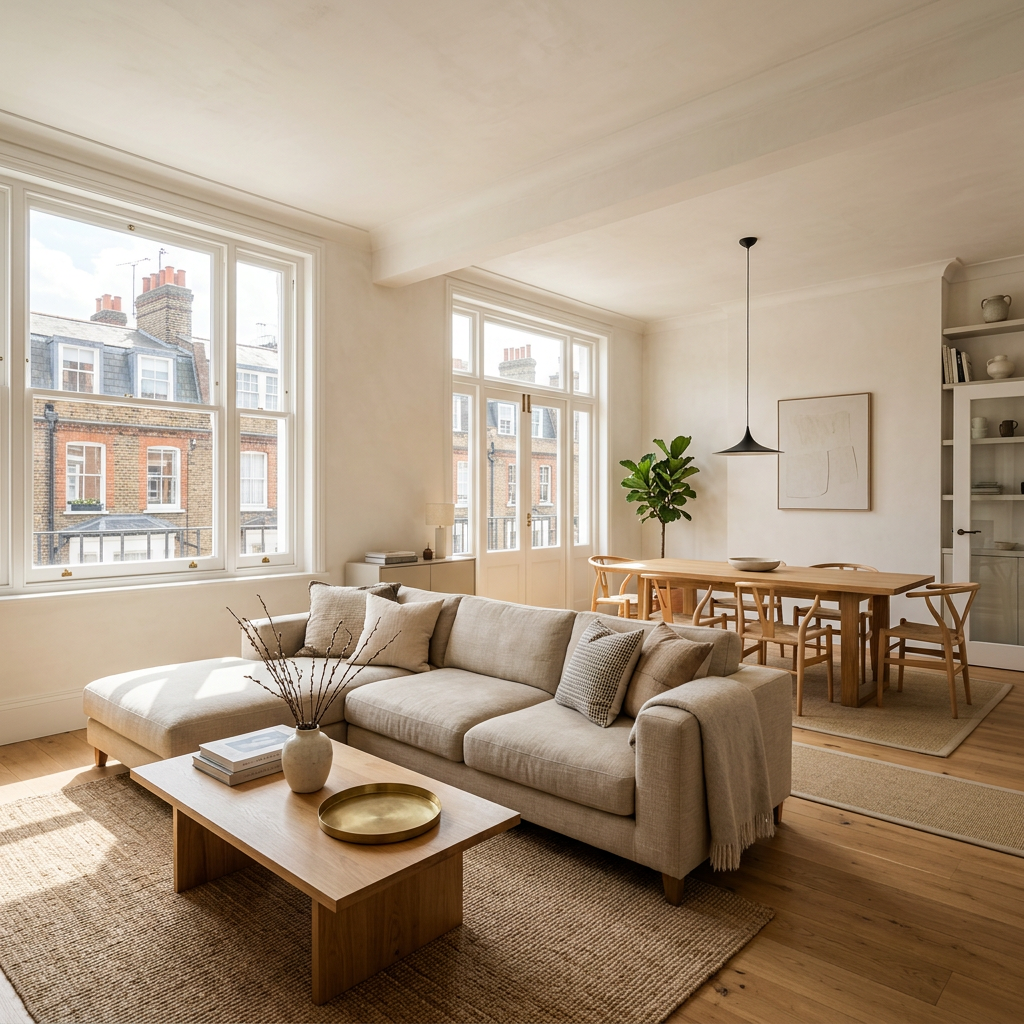
Transform Your Living Space: Plastering for Open Plan Conversions
Transform Your Living Space: Plastering for Open Plan Conversions
Imagine walking into your home and being greeted by a vast, open-concept living room that perfectly blends comfort and style. With the rise of open plan living, many London homeowners are embracing this trend to create spacious, airy environments. However, transforming a traditional space into an open plan can present unique plastering challenges. In this blog post, we will guide you through the plastering process for your open plan living room conversion, ensuring you achieve that seamless, polished finish you desire.
Why Choose Open Plan Living?
Open plan living rooms are becoming increasingly popular in London, particularly in neighborhoods like Shoreditch, Islington, and Clapham. Here are some reasons why:
- Increased Space: Eliminating walls creates a sense of spaciousness.
- Enhanced Light: Open layouts allow natural light to flow freely through the home.
- Social Interaction: Perfect for entertaining, as it keeps the host engaged with guests, whether cooking or relaxing.
However, with great design comes great responsibility—especially when it comes to the plastering aspects of your project.
Key Steps in Plastering Your Open Plan Conversion
Transitioning your living room into an open space involves detailed planning and execution. Below are the essential steps for proper plastering:
1. Assess the Area
Before you begin, analyze the current state of your walls:
- Look for any structural issues that need addressing before plastering.
- Check for pipes or wiring that may impact your design.
2. Prep the Walls
Proper preparation is crucial:
- Remove old plaster: If you are dealing with significant changes, consider removing old plaster for a fresh start.
- Clean the surface: Ensure walls are free from dust and debris to promote adhesion.
- Repair any defects: Fill any holes or cracks with filler.
3. Choose the Right Plaster
Depending on your needs, you may choose:
- Undercoat Plaster: For initially prepping walls and providing a bonding substrate.
- Finishing Plaster: To achieve a smooth final layer.
- Skim Coat: Ideal for achieving a fresh look on old walls without the need for extensive repairs. For services around London, check out our Wall Skimming Services.
4. Apply the Plaster
- Mix the Plaster: Follow manufacturer instructions for the best results.
- Trowel Application: Use a trowel to apply the plaster evenly, working from the top down.
- Smooth Out: Use a large finishing trowel in long strokes to smooth out the surface.
5. Drying and Finishing
Patience is key:
- Allow the plaster to dry fully (usually 24-48 hours).
- Apply a second coat if necessary, followed by sanding for a perfect finish.
Practical Tips for Plastering Success
- Work in small sections: This helps maintain a wet edge for blending.
- Choose appropriate temperatures: Ideal conditions are between 10°C and 30°C.
- Use correct tools: Invest in high-quality trowels and mixers for better results.
- Consider professional help: If you're unsure, hiring experts like our Professional Plastering Team ensures a flawless finish.
Costs of Plastering for Open Plan Living Room Conversions
The cost of plastering your open plan living room can vary based on several factors:
- Size of the Area: Larger spaces will require more materials and labor.
- Type of Plaster: Expect to pay around £20-£30 per square meter for materials and around £250-£400 for labor.
- Finishing Touches: Additional decorative finishes can increase the overall price.
Consult with us to get a detailed estimate tailored to your needs!
FAQ
What should I consider when converting to an open plan living room?
When converting to an open plan living room, consider structural integrity, electrical setup, and the flow of natural light. Prioritizing these will enhance functionality and aesthetics.
How long does plastering take?
Typically, plastering can take anywhere from one to several days depending on the size and complexity of the project. Allow additional time for drying, which can be key for the finished look.
Can I plaster over existing plaster?
Yes, you can plaster over existing plaster as long as it is in good condition. A skim coat can enhance the surface without extensive work.
How do I choose a reliable plastering service in London?
Look for companies with positive reviews, a strong portfolio like our Gallery, and clear communication about costs and timelines.
Is plastering necessary for my open plan conversion?
Yes, plastering is essential for finishing walls and creating a smooth surface, enhancing the visual appeal and longevity of the room.
Conclusion
Plastering is an integral part of transforming your home into a stunning open plan living space. By following the steps outlined above and considering the practical tips provided, you’ll be well on your way to creating a beautiful environment that reflects your style while maximizing functionality.
Ready to get started on your open plan living room conversion? Contact London Plastering Service today for a free consultation and let us help you bring your vision to life!
Related Plastering Guides & Services
Need Professional Plastering?
Get expert plastering services in London. Free quotes within 60 minutes.