
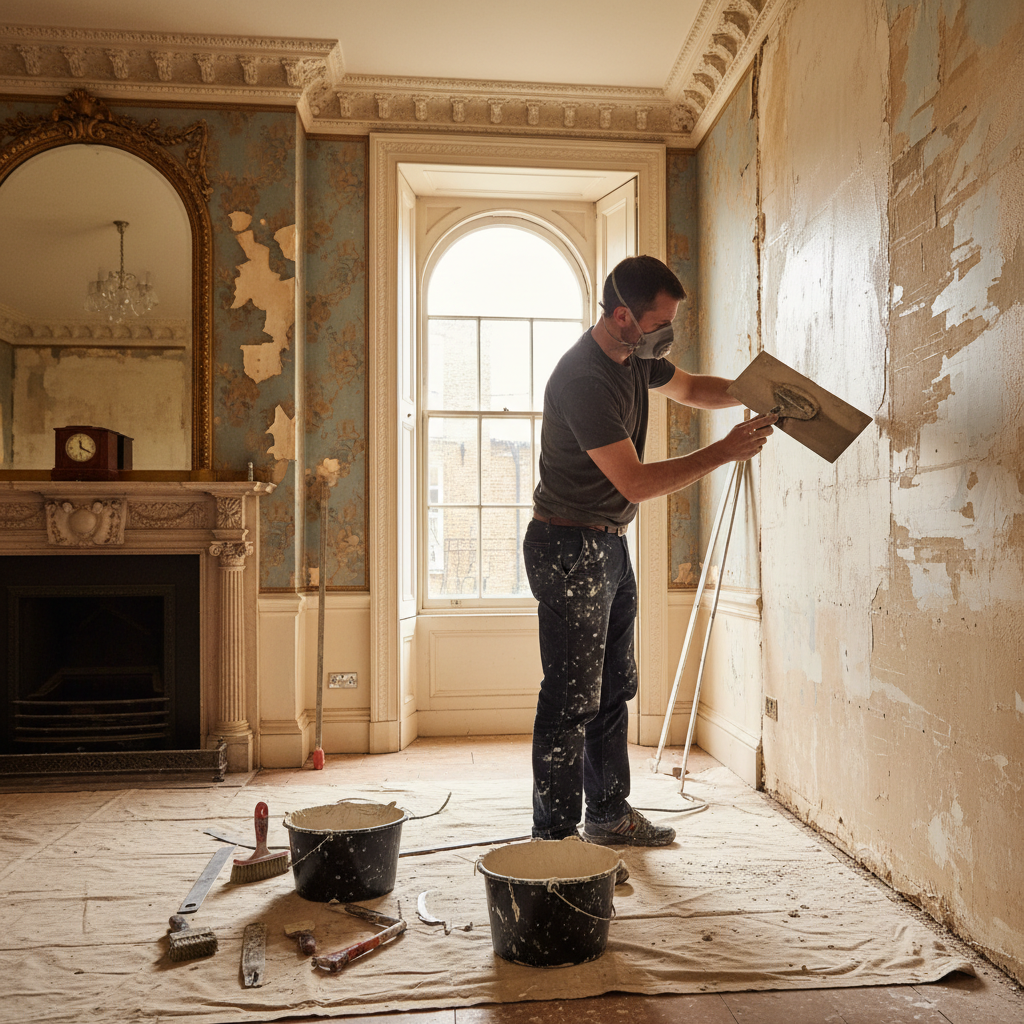
Top Signs You Need to Replaster Your London Home
Signs You Need to Replaster Your London Home
As London homeowners, we often dedicate a lot of time and resources to maintaining our properties. However, it's easy to overlook the signs that whisper it's time for a little renovation magic—like replastering. Recently, I helped a friend in Kensington transform her flat. When she first bought it, she loved the exposed brick walls, but soon noticed cracks and flaking paint that detracted from its beauty. A simple inspection revealed she needed a replaster job to restore the stunning aesthetics of her home!
In this blog post, we’ll cover the signs that indicate it’s time to replaster your home, provide actionable tips, and ensure your property remains the pride of your neighborhood, be it in Camden, Islington, or Chelsea.
The Importance of Quality Plastering
Before we dive into the signs, it’s essential to understand why proper plastering matters. Plaster not only enhances the appearance of your walls but also serves as a protective layer, maintaining the structural integrity of your home.
What Does Replastering Involve?
Replastering typically involves:
- Removing damaged plaster
- Preparing the wall surface
- Applying a new layer of plaster
- Finishing with paint or wallpaper
For a well-done replastering, it’s best to consult with experienced professionals like the London Plastering Service so you can rest easy knowing your home is in expert hands.
Common Signs You Need to Replaster Your Home
1. Cracks in Walls
Cracks can occur for a variety of reasons, from settling foundations to temperature changes. Look closely at:
- Hairline fractures: Often superficial but could worsen.
- Larger cracks (1mm or more): Indicate that there is something fundamentally wrong and will require replastering.
2. Peeling or Flaking Paint
If you notice paint bubbling, peeling, or flaking off your walls, it could be due to moisture trapped beneath the surface. This moisture can lead to further damage, inviting mold growth. If the state of the plaster underneath is compromised, you may need to replaster your walls completely.
3. Dampness and Water Damage
Signs of dampness, particularly in older properties in areas like Hackney and Greenwich, are a clear indicator that your plaster may need replacing. This not only compromises aesthetics but can also lead to serious health issues, making it crucial to address immediately.
- Check for:
- Wet patches on walls
- Musty smells indicating mold
4. Uneven Surfaces
Over time, walls can develop uneven textures that not only look unappealing but can also disrupt the smooth application of wallpaper or paint. If you've tried all options to smooth it out with little success, consider replastering.
5. Flaking Skim Coats
If you’ve recently had a skim plaster applied but find it flaking off, it’s likely that there's an issue with moisture or an inadequate foundation beneath. Skimming over existing issues is just a band-aid solution that won't hold for long.
Practical Tips for Replastering Your Home
- Assess the Damage: Regularly check your walls for cracks, dampness, and peeling. Spotting problems early can save you money.
- Hire Local Experts: Engaging skilled professionals, such as those at London Plastering Service, ensures quality workmanship and longevity.
- Consider Your Budget: Replastering costs can vary widely, but you can expect to pay anywhere from £15 to £40 per square meter for proper plastering services, depending on location and the extent of the damage.
- Prepare for the Process: Room preparation is key—clear out furniture and cover flooring to prevent any dust or debris from causing further mess.
- Follow Up with Finishing Touches: After replastering, consider applying a fresh coat of paint as it not only protects but also gives your spaces a delightful makeover!
FAQ
What is the cost of replastering a room in London?
The average cost for replastering a room can range from £500 to £1500 depending on the room size and extent of damage. Remember, comprehensive work on structural issues can add to the cost, so always request a quote beforehand.
How long does it take to replaster a room?
Typically, replastering can take between 1-3 days for an average-sized room, depending on the severity of the issues and drying times. It’s a good idea to allow extra time for the finish to dry completely before painting.
Can I replaster over existing plaster?
Generally, it’s not advisable to replaster over existing damaged plaster. It’s best to remove the affected areas and start fresh. This ensures better adhesion and a more durable finish.
How can I prevent moisture issues in my plaster?
To prevent moisture problems, ensure your property is well-ventilated. Regularly check for signs of leaks and invest in moisture-resistant paint once you’ve replastered the walls.
When should I consult a professional?
If you observe persistent issues like significant dampness, large cracks, or extensive peeling, it’s crucial to consult with a professional plasterer to assess the situation.
Conclusion
Keeping your London home beautiful and functional is an ongoing journey. It’s vital to be proactive about the health of your walls to prevent minor issues from snowballing into major repairs.
If you noticed any of the signs we discussed, don’t hesitate! Reach out to London Plastering Service today for a consultation. Whether you're in Westminster or Walthamstow, our professional team is here to guide you through every step of the replastering process. Your home deserves to look its best—let us help you accomplish that!
For more insights, check out our blog for plastering tips and guides.
Related Plastering Guides & Services
Need Professional Plastering?
Get expert plastering services in London. Free quotes within 60 minutes.