
The Ultimate Seasonal Plastering Guide: Best Times to Book
The Ultimate Seasonal Plastering Guide: Best Times to Book
Imagine this: you’ve decided to finally tackle that dated living room wall, and after months of planning, you set a date with your plasterer. But as the countdown begins, the weather forecast predicts a stormy week ahead. Suddenly, your dream of a fresh, smooth finish is at risk. This scenario highlights a crucial aspect of home renovation that many homeowners overlook – timing. In this blog post, we’ll explore the best times to book plastering services in London, helping you avoid potential hazards and achieve excellent results.
Understanding the Seasons and Their Impact on Plastering
When booking plastering services, one of the most significant factors to consider is the season. Each season in London presents different challenges and benefits for plastering projects. Let’s break down how the weather can impact your plastering job throughout the year.
Spring: A Fresh Start
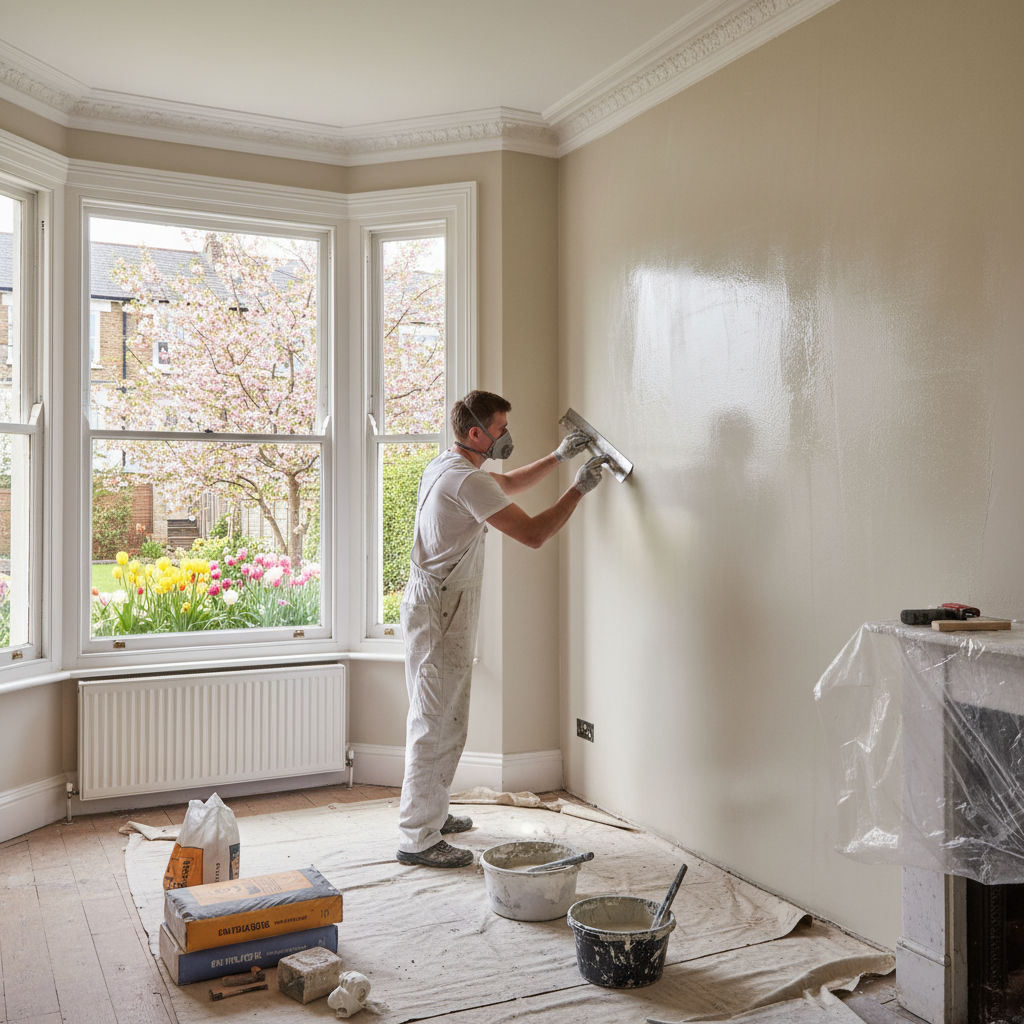
Spring is often regarded as the optimal time for plastering in London. The mild temperatures and lower humidity levels are ideal for plaster to cure properly, leading to smoother finishes. Memorable spring months like April and May not only set the tone for the rest of the year but are also popular among homeowners looking to revamp their spaces before summer.
Pros:
- Mild temperatures (around 10-15°C) promote faster drying times.
- Less rain compared to winter reduces the risk of moisture-related issues.
Considerations:
- Book early as spring often sees a surge in demand.
Summer: Caution Needed
Summer in London can be a double-edged sword. The long days and warmth of June through August are appealing, but the higher temperatures can lead to issues with plaster setting too quickly.
Pros:
- Longer daylight hours allow plasterers to work more flexibly.
Cons:
- Risk of premature drying, which can cause cracks. Ensure proper application.
Autumn: A Balancing Act
Autumn, particularly September to October, presents another ideal opportunity for plastering. Temperatures start to drop, yet remain comfortable, allowing for a great environment to work with plaster.
Pros:
- Stable humidity levels aid in proper plastering and curing.
- Less competition than spring.
Considerations:
- Be wary of an early onset of wet and cold weather as you move into November.
Winter: The Quiet Season
Many homeowners shy away from scheduling plastering jobs in winter, fearing the cold and dampness will compromise their results. However, this season presents advantages if handled correctly.
Pros:
- Lower demand can mean better pricing and availability.
- Indoor projects can be done to keep homes cozy and comfortable.
Cons:
- Higher risk of mold if proper precautions aren’t taken.
- Temperature must be monitored (ideally above 5°C).
By understanding these seasonal trends, you can effectively plan your plastering projects for the best outcome.
Practical Tips for Scheduling Your Plastering
- Assess your renovation needs: Before scheduling, evaluate your needs and whether plastering is necessary for your renovation plans.
- Monitor local weather forecasts: A reliable weather forecast can help you avoid bad weather days.
- Plan ahead: Booking with your plasterer a few months in advance ensures you secure your desired time, especially during the busy seasons.
- Prepare your space: Ensure that the area to be plastered is ready—cleaned and accessible.
- Discuss with your plasterer: Consult your plastering professional about their preferred timing based on their experience and techniques.
For top-notch plastering services, be sure to visit our home page or check out our gallery to see our remarkable work in various London neighborhoods.
FAQ
Q1: What is the best time of year to book plastering services?
A: The best time is typically late spring to early autumn, specifically from April to October. During these months, temperatures are moderate, and humidity levels are favorable for plastering.
Q2: How does weather affect plastering?
A: Weather plays a significant role; extreme temperatures can cause plaster to dry too quickly or too slowly, leading to cracks and poor finishes. Cold and wet conditions can inhibit proper curing, while warm weather can expedite drying, causing similar issues.
Q3: Can I plaster in winter?
A: Yes, you can, but it's essential to control the indoor temperature and humidity. Using space heaters and ensuring ventilation can help mitigate winter-related issues.
Q4: How far in advance should I book a plasterer?
A: We recommend booking at least 4 to 6 weeks in advance, particularly during peak seasons like spring and early summer, to ensure you get your chosen date.
Q5: What costs can I expect for plastering services?
A: On average, plastering can range from £15 to £30 per square meter, with specific costs varying based on the complexity of your project. For an accurate estimate, contact our professional plastering team on our About page for more details.
Conclusion
Navigating the world of plastering can be daunting, especially with the various seasonal factors at play. By understanding the best times to book plastering services and planning accordingly, you can ensure a successful project that enhances your London home. Don’t let the weather dictate your home improvements.
Ready to transform your interiors? Don’t wait to book your plastering service! Contact us today to get a free quote and let us help you achieve a perfect finish before the seasons change. Check out our blog for more tips and guidance on plastering.
Together, we can make your home the envy of your neighbors across London's boroughs. Book your plastering service now to secure your spot for the perfect transformation!
Related Plastering Guides & Services
Need Professional Plastering?
Get expert plastering services in London. Free quotes within 60 minutes.