
The Ultimate Guide to Plaster Primer in London
The Ultimate Guide to Plaster Primer in London
When preparing for your plastering project, whether it’s a small wall repair or a full house replastering, the first step often involves using a good quality plaster primer. But what is plaster primer, why is it essential, and how should you apply it? This guide will answer all these questions and provide valuable insights into plaster primer specific to the London market.
For those looking for professional assistance, feel free to check out our trusted Plasterers in London.
What is Plaster Primer?
Plaster primer is a type of paint or coating applied to plaster surfaces before the final finish coat is applied. It prepares the plaster for better adhesion and enhances the overall finish. Here’s why it’s essential:
- Enhances Adhesion: It helps paint and other finishes adhere better to the plaster surface without peeling or flaking.
- Seals the Surface: Plaster can be porous, and primer seals the surface to prevent moisture penetration.
- Even Finish: It evens out the absorbency of the substrate, resulting in a more uniform appearance.
Types of Plaster Primer
Different types of plaster primers are available based on their intended application:
- Water-based Primers: Ideal for interior use, these primers dry quickly and are less toxic.
- Oil-based Primers: Better for covering stains or sealing surfaces in high-humidity areas.
- Shellac-based Primers: Advanced sealing properties, great for stopping water stains and tannins.
Choosing the right type of primer will depend on your specific application and the conditions of the area.
Application Techniques
Here are the basic steps for applying plaster primer:
Materials Needed:
- Plaster primer of choice
- Paintbrush or roller
- Painter's tape
- Drop cloths
- Sandpaper (if necessary)
Steps to Apply:
- Prepare the Surface: Ensure that the plaster is clean and free of dust or debris. Sand any rough areas as needed.
- Tape Off Areas: Use painter's tape to protect edges and surfaces you do not want to paint.
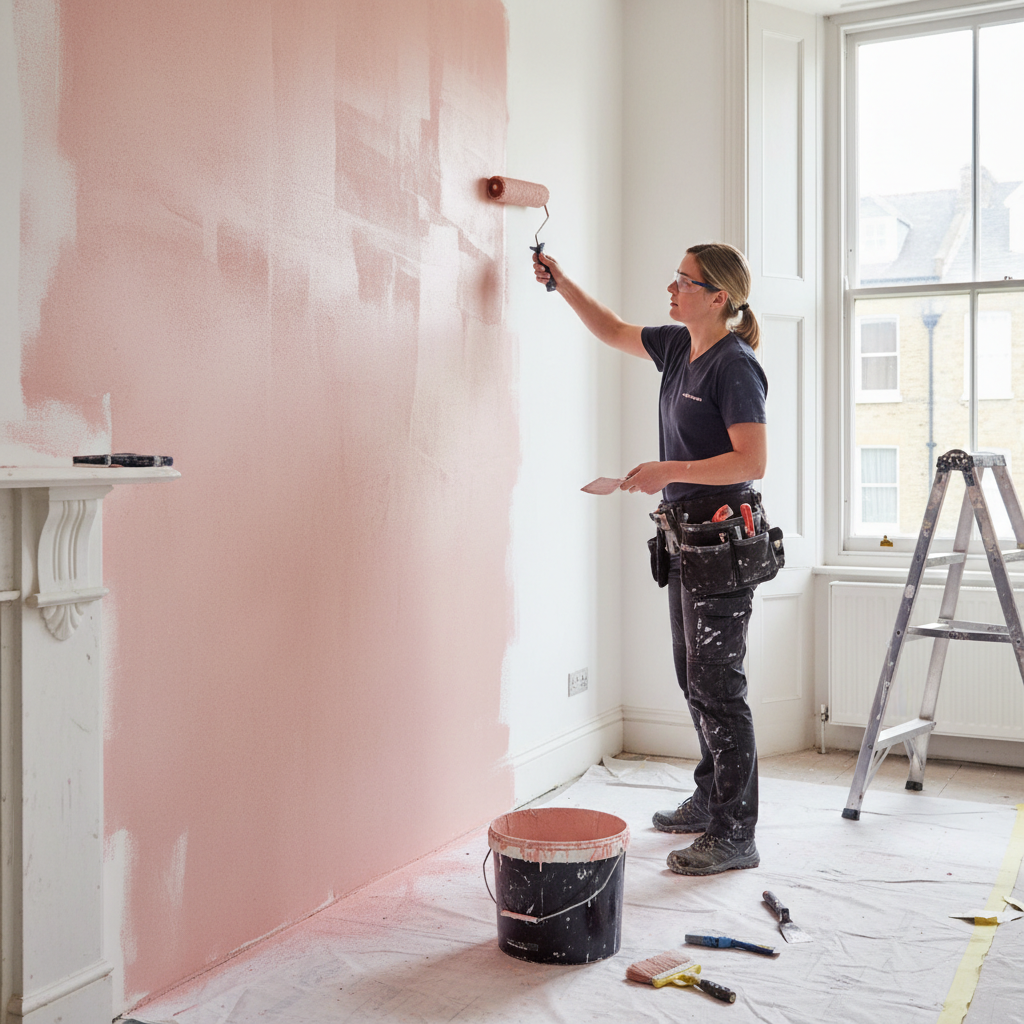
- Apply the Primer: Use a brush or roller to apply the primer evenly across the plaster surface. Be mindful of applying it in uniform strokes to avoid streaks.
- Allow to Dry: Follow the manufacturer’s instructions on drying time. Generally, it can take 1-2 hours for water-based primer and longer for oil-based options.
- Sand (if needed): Lightly sand the surface after the primer has dried to achieve a smooth finish before applying the final coat.
Cost of Plaster Primer in London
In London, the cost of plaster primer varies based on the type and brand you choose. Here are some approximate costs as of 2026:
- Water-based primers: £15-£30 per 5 litres.
- Oil-based primers: £20-£40 per 5 litres.
- Shellac-based primers: £30-£60 per 5 litres.
For the best results, always calculate the total area you need to cover to determine how much primer you require.
When to Use Plaster Primer
Using plaster primer is advisable in the following situations:
- When preparing freshly applied plaster or skim coats for painting.
- When aiming for a high-quality finish in areas subjected to moisture, like bathrooms and kitchens.
- To cover previous paint jobs where the surface is uneven or has had stains.
Tips for Selecting the Right Primer
- Consider the Surface: If working with a new plaster surface, opt for a high-quality water-based primer. For staining or moisture-prone areas, an oil-based or shellac primer is better.
- Read Reviews: Before purchasing, check for reviews and recommendations from other plastering professionals.
- Consult Professionals: Don’t hesitate to seek advice from local plastering experts who know the best products for the London climate and building styles.
Frequently Asked Questions
1. What is the difference between plaster primer and regular primer?
Regular primer is suitable for many surfaces, but plaster primer is specifically formulated to address the unique properties of plaster, ensuring better adhesion, sealing, and finish quality.
2. How long does plaster primer take to dry?
Typically, water-based primers will dry in about 1-2 hours, while oil-based primers may take longer, around 4-6 hours. Always refer to the packaging for specific drying times.
3. Can I skip plaster primer?
Skipping plaster primer can lead to poor adhesion and uneven finishes, which could necessitate further repairs and costs later on. It’s advisable to use a primer for optimal results.
4. Is it worth using a high-end plaster primer?
Yes, investing in a high-quality plaster primer can significantly affect the longevity of your paint job and the overall appearance of your walls, especially in a textured or damaged plaster environment.
5. How can I find a reliable plastering service in London?
You can find a reliable plastering service by checking local reviews, asking for recommendations from friends and family, or visiting our trusted list of Plasterers in London.
Conclusion
Using plaster primer is a crucial step in achieving a flawless and durable finish for your plastering projects. By understanding its benefits, applications, and costs, you can make informed decisions that will ultimately lead to stunning interiors.
For personalized help and expert services, contact London Plastering Service today. We ensure your plastering project in London, including Wall Skimming London and Ceiling Plaster Repair, is executed with precision and care. Don’t wait—let’s transform your living space together!
Related Plastering Guides & Services
Need Professional Plastering?
Get expert plastering services in London. Free quotes within 60 minutes.