
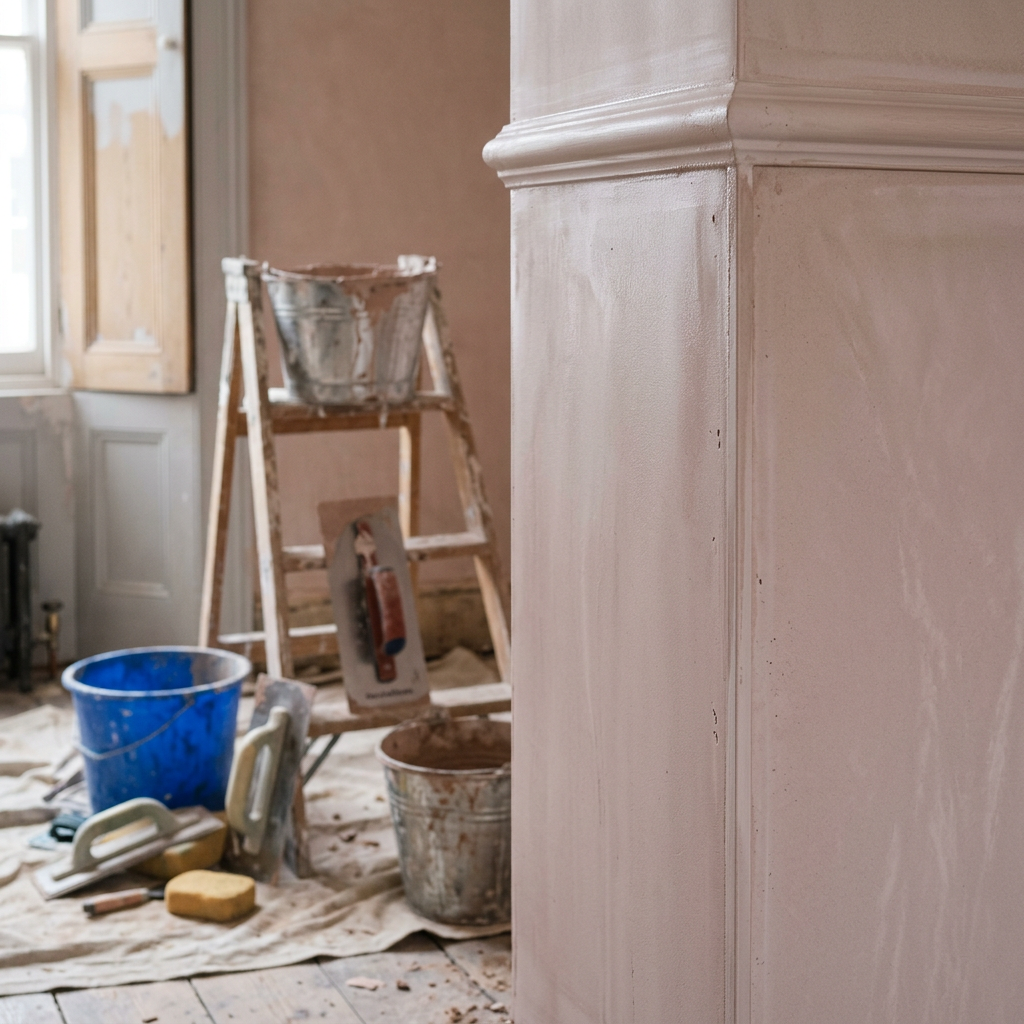
The Most Affordable Way to Plaster Your Walls in London
The Most Affordable Way to Plaster Your Walls in London
Imagine you’ve just moved into a charming Victorian flat in Islington, only to find that the walls are a patchwork of rough textures and peeling paint. You dream of smooth, pristine walls but your budget screams for restraint. What’s a homeowner to do? In this post, we’ll uncover the cheapest way to plaster walls without sacrificing quality, perfect for you and your wallet.
Understanding Plastering Methods
Before we delve into the cost-effective methods, it's essential to understand a bit about plastering.
The Different Types of Plastering Techniques
- Traditional Plastering: This involves multiple coats of wet plaster, which can be labor-intensive and time-consuming.
- Skim Coating: This method involves applying a thin layer of plaster over existing walls to create a smooth surface. It’s popular for renovations and can be done on a variety of wall types.
- Boarding and Skimming: Installing plasterboard followed by skim plaster is a common approach for new builds or significant renovations.
For many London homeowners, skim coating offers the best balance of cost and efficiency.
Cheapest Ways to Plaster Your Walls
1. DIY Plastering
If you’re handy or willing to learn, doing it yourself can significantly cut costs. Here’s how:
Steps to DIY Plastering:
- Gather Your Materials: You’ll need plaster, a trowel, mixing bucket, and a hawk.
- Preparation: Clean your walls of dust and grime. Remove any old fittings.
- Mix the Plaster: Follow the instructions to mix your plaster to a smooth consistency.
- Apply the Plaster: Start at one corner and work horizontally, using the trowel to apply an even layer.
- Smooth It Out: Use a float or trowel to achieve the desired smoothness.
- Cure the Plaster: Allow it to dry completely before painting.
Cost Estimate: You’ll spend around £30-£50 on materials.
2. Skimming Existing Walls
If your walls are in decent shape but rough, skimming is an effective method.
- Pros: Less labor-intensive than replastering and can often be completed in a day.
- Cost: Hiring professionals like London Plastering Service will cost you about £10 per square meter.
- Example: For a standard London bedroom (~12m²), expect to pay around £120-£150.
3. Using Thinner Plaster Products
Modern plaster products, such as lightweight plasters, can reduce costs through easier application and less drying time. These products often require less material, lowering your overall expenses.
Cost Effectiveness: While a bit pricier per bag (around £15-£25), you save on labor costs due to quicker installation.
4. Hiring Local Plasterers
Sometimes, it’s worth it to hire professionals rather than DIY. PlasterersNearMe can help you find local skilled plasterers who can quote you competitive rates. Choose experts who offer fixed-price services to avoid unexpected costs.
5. Getting Multiple Quotes
When looking for plastering services, don’t accept the first quote. Instead:
- Request Multiple Quotes: Get at least three quotes from different companies.
- Check Reviews: Sites like Trustpilot or Checkatrade can help you find reputable plasterers.
- Negotiate: Don’t hesitate to negotiate the price, especially if you have benchmark quotes on hand.
Practical Tips to Save on Plastering
- Timing is Everything: Schedule your plastering work during the off-peak seasons (winter months) when contractors may offer discounts.
- Bundle Renovations: If you're doing more than just plastering, combine jobs for a discount.
- Invest in Quality Tools: If you're going DIY, use quality tools to do the job right, minimizing waste and rework.
FAQ
What is the average cost to plaster a room in London?
The average cost for plastering a room in London can range from £300 to £800, depending on the size, condition of the walls, and whether you hire professionals or do it yourself.
Can I plaster over old paint?
Yes, you can plaster over old paint, but ensure the surface is clean, sturdy, and any peeling paint is removed to prevent the new plaster from breaking.
How long does it take for plaster to dry?
Typically, plaster will dry within 24-48 hours, but it may take longer based on humidity and thickness.
What tools do I need for DIY plastering?
You will need a mixing bucket, trowel, hawk, float, sandpaper, and a sponge for finishing touches. Many of these can be rented if you don’t want to purchase.
Should I hire a professional or do it myself?
This depends on your comfort level with DIY projects. If you’re inexperienced, hiring a professional may save you time and ensure a high-quality finish. However, if you're confident, DIY can be a great way to save money.
Conclusion
In London, there are plenty of options to plaster your walls affordably. Whether you decide to tackle it as a DIY project or hire local professionals, it’s essential to consider your budget and the quality of finish you desire. By following the tips outlined above and being strategic about your choices, you can achieve beautifully plastered walls without breaking the bank.
Ready to start your plastering project? Contact the experts at London Plastering Service today for a quote or visit our Gallery to see our completed projects. Let’s bring your walls back to life together!
Related Plastering Guides & Services
Need Professional Plastering?
Get expert plastering services in London. Free quotes within 60 minutes.