
The Cheapest Way to Plaster Walls: A Practical Guide
What is the Cheapest Way to Plaster Walls?
Imagine this: you’ve just moved into a lovely Victorian flat in Islington, but the walls are a patchwork of old paint and uneven textures that make your heart sink. You want to transform your living space without breaking the bank, but the idea of hiring a professional plasterer feels daunting and expensive. As you scroll through DIY tutorials online, you wonder: what is the cheapest way to plaster walls?
In this complete guide, we’re diving deep into cost-effective plastering methods that will help you achieve a smooth, beautiful finish without emptying your wallet. Whether you’re a homeowner, landlord, or property manager in London, we’ve got you covered with practical tips, step-by-step instructions, and a detailed FAQ section.
Understanding the Basics of Plastering
Before we explore the budget-friendly options, let’s take a moment to understand what plastering involves. Plastering is the process of applying a mixture (often a combination of sand, water, and cement) to a wall's surface to create a smooth, even finish. This not only enhances the aesthetic appeal of your home but also adds a layer of protection to the walls.
DIY Plastering: A Cost-Effective Option
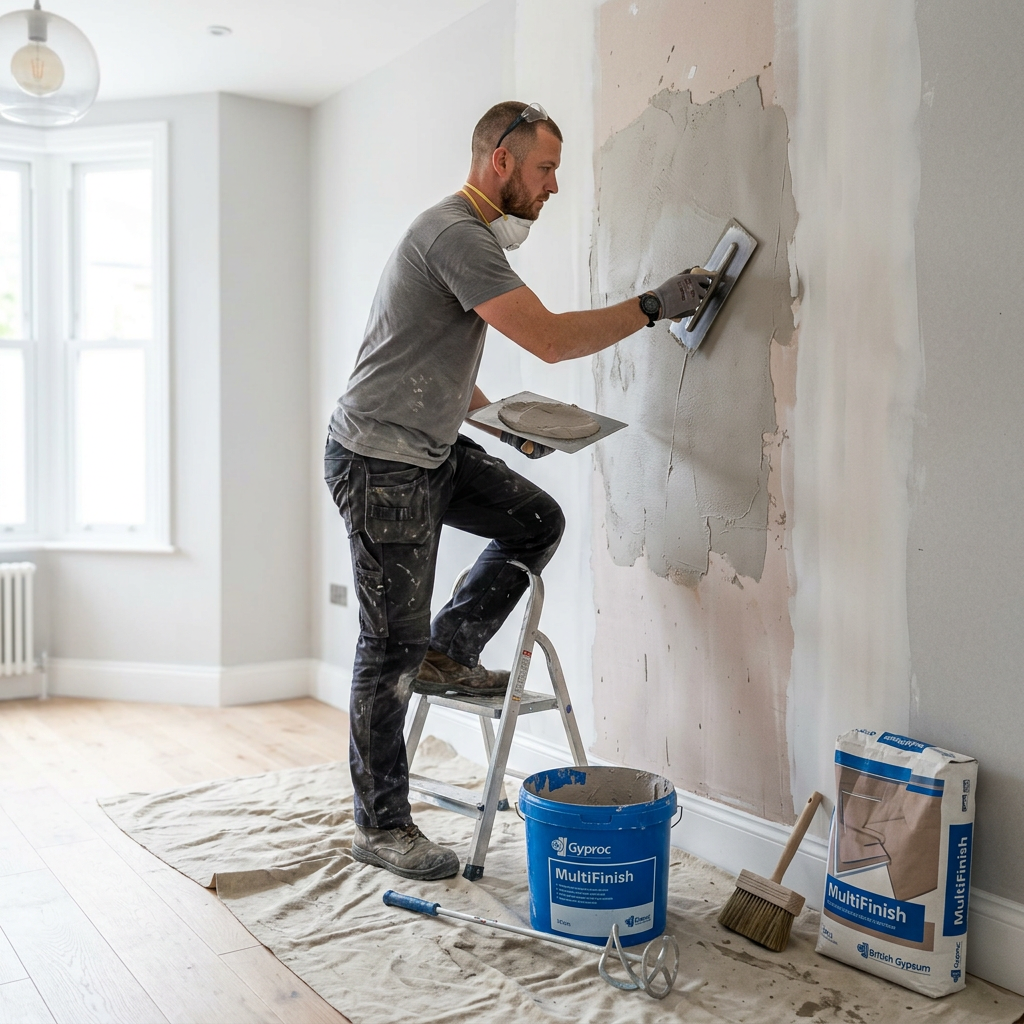
If you’re feeling adventurous and want to save money, doing your own plastering can significantly reduce costs. Here are some of the steps involved in DIY plastering:
-
Gather Your Materials: To plaster walls, you will need:
- Plaster mix (you can purchase a bag for around £5-£10)
- Trowel
- Hawk
- Sandpaper
- Safety goggles and mask
-
Prepare the Walls: Strip the walls of old paint or wallpaper, and make sure any holes or cracks are filled. Use a primer on porous surfaces to ensure better adhesion.
-
Mix the Plaster: Follow the manufacturer’s instructions for creating the right consistency – it should be like thick yogurt.
-
Apply the Plaster: Using your trowel, apply the plaster with a smooth, sweeping motion. Start from the top and work your way down. Aim for an even layer and allow it to set.
-
Smooth the Surface: After the plaster has partly set, you can use a trowel or float to smooth down any imperfections.
-
Finish Up: Allow your plaster to dry completely before sanding it down for a final smooth finish. This can take anywhere from a few hours to a day.
For more hands-on tips, check out our article on Plasterers Near Me for local support!
Hiring a Professional: A Smart Investment
While DIY is economical, hiring a professional plastering team can ensure superior quality and efficiency, especially for larger spaces or if you’re unsure about your skills. Prices can vary across London, but you can expect to pay around:
- £10-£15 per square meter for skimming
- £20-£30 per square meter for traditional plastering methods
At London Plastering Service, we take pride in offering competitive rates without compromising quality. Take a look at our Gallery to see some amazing transformations!
Practical Plastering Tips
Here are some practical and actionable tips to keep your plastering project within budget:
- Consider Skimming: If your walls are structurally sound but just need a facelift, skimming can be a cheaper alternative to full plastering.
- Buy Materials in Bulk: Purchase from local suppliers in areas like Hackney or Brixton to save on delivery costs.
- Time Your Project: Prices can fluctuate; doing your work in the off-peak season is often cheaper.
- Ask for Bulk Discounts: If you’re plastering several rooms, your contractor might offer a discount for larger projects.
FAQ
1. What is skimming in plastering?
Skimming is a technique used to apply a thin layer of plaster to an existing wall or ceiling to create a smooth surface. It’s less time-consuming and cheaper than completely plastering a wall from scratch.
2. How long does it take for plaster to dry?
Typically, it takes about 24-48 hours for plaster to dry completely, but this can depend on the thickness of the layer and environmental conditions.
3. Can I plaster over wallpaper?
No, plastering directly over wallpaper is not recommended as it can cause bubbling and peeling. It's best to remove the wallpaper and prepare the surface properly.
4. How much does it cost to hire a plasterer in London?
On average, you might expect to pay between £150 to £500 for a small to medium room, but this can vary based on location and complexity. Always get a quote before committing!
5. What are the signs I need to replaster?
Signs include visible cracks, peeling paint, damp patches, or uneven surfaces. It’s best addressed sooner rather than later to avoid further damage.
Conclusion
Plastering doesn’t have to be an expensive venture! With the right knowledge and preparation, you can find the cheapest way to plaster walls that suits your needs and budget. Whether you choose the DIY route or decide to trust a professional, beautiful, smooth walls are within reach.
If you’re considering a plastering project in London, contact us today at London Plastering Service for a free consultation. Let’s get your walls looking stunning without putting a dent in your wallet!
Remember, the beauty of your home starts with the walls. Let’s make them shine!
Related Plastering Guides & Services
Need Professional Plastering?
Get expert plastering services in London. Free quotes within 60 minutes.