
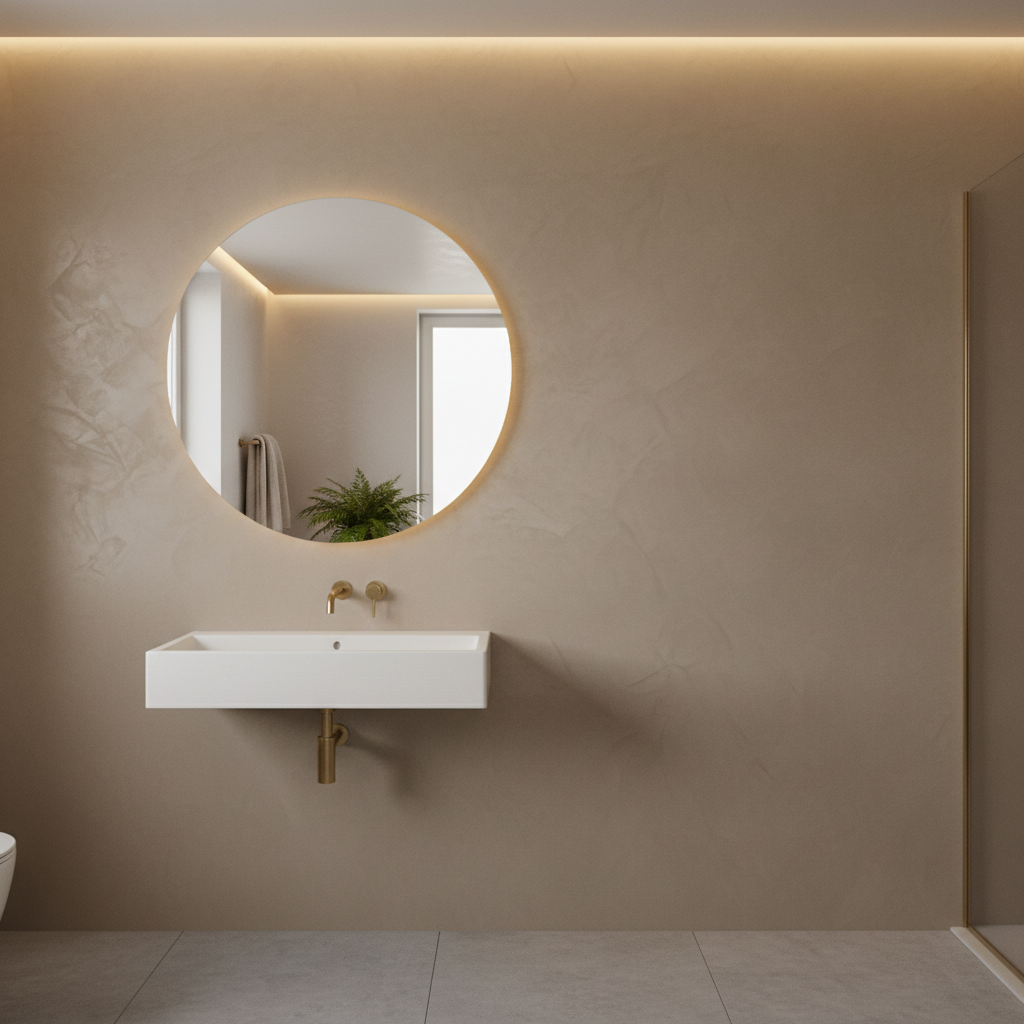
The Best Plaster for Moisture-Resistant Bathroom Walls
Introduction
Imagine stepping into your bathroom after a long day; the air is thick with steam, and you’re ready to unwind. But wait! Is that a patch of mold creeping along your wall? For many London homeowners, this nightmare becomes real when inadequate moisture protection leads to unsightly damage.
In a city known for its aging infrastructure and unique architectural challenges, knowing how to select the right plaster for your bathroom walls is essential. So, what’s the best plaster for bathroom walls that resist moisture? Let’s delve into the ins-and-outs of moisture-resistant plaster types and how they can make your bathroom a safe haven rather than a damp disaster.
Understanding Bathroom Moisture Challenges
Bathrooms are inherently humid spaces due to showers, baths, and sinks. The moisture can have a detrimental effect on many materials:
- Mold growth
- Paint peeling
- Warping and decay of materials
Understanding how moisture interacts with building materials is crucial in preventing these issues. That’s where the choice of plaster comes into play.
Types of Moisture-Resistant Plaster
When it comes to plaster that resists moisture, here are the top contenders that every London homeowner should consider:
1. Gypsum-Based Plaster
Gypsum plaster, commonly used in residential areas, offers good moisture resistance, especially when mixed with additives. Its properties include:
- Ease of application
- Quick drying time
- Smooth finish
Cost: Expect to pay between £15-£30 per bag, depending on the brand and quality.
2. Cement-Based Plaster
If you’re looking for durability and strength, cement-based plaster is an excellent choice. This type is known for:
- Superior moisture resistance
- Mold and mildew prevention
- Long-lasting finish
Cost: This variety typically ranges from £20-£35 per bag.
3. Pre-Mixed Moisture-Resistant Plaster
For those who prefer ready-to-use options, pre-mixed moisture-resistant plaster is perfect. It’s designed to combat humidity while making application a breeze. Benefits include:
- Consistent quality
- Less waste
- No mixing required
Cost: Approximately £25-£40 per bucket.
4. Veneer Plaster
This is a thinner coat that adheres to proper substrates and resists moisture effectively. It provides:
- Aesthetic appeal with a smooth finish
- Flexibility in design
- Resilience against damp
Cost: Expect to spend £30-£50 per bag.
Practical Tips for Applying Moisture-Resistant Plaster
For the best results, follow these steps:
Step 1: Prepare the Surface
- Clean the walls thoroughly to remove any mold or fungus.
- Ensure the surface is dry and free of grease.
- Use a primer to enhance plaster adhesion.
Step 2: Mix the Plaster
- Carefully follow the manufacturer’s instructions.
- Aim for a creamy consistency, not too thick or runny.
- Avoid clumping by mixing until smooth.
Step 3: Apply the Plaster
- Use a trowel. Start at the bottom edge, working upward.
- Aim for an even thickness.
- Smooth over with a float or sponge for a nice finish.
Step 4: Allow to Cure
- Let the plaster dry completely (about 24-48 hours).
- Monitor humidity levels while the plaster cures.
Step 5: Seal if Necessary
- In high-humidity areas, consider applying waterproof sealers for extra protection. This can extend the life of your plaster significantly.
For London projects, we recommend hiring a professional service to guarantee exceptional results and ensure that your bathroom walls are beautifully finished. View our completed projects for inspiration!
FAQ
1. What is the best type of plaster for bathroom walls?
The best types of plaster for bathroom walls include cement-based plaster for durability and gypsum-based plaster for its ease of application.
2. How can I prevent mold on my bathroom walls?
To prevent mold, choose moisture-resistant plaster, ensure proper ventilation, and regularly check for leaks or moisture accumulation.
3. Can I apply plaster over existing paint?
Yes, but the surface must be well-prepared. Clean it, sand if necessary, and use a proper bonding agent to improve adhesion.
4. Are pre-mixed plasters worth the investment?
Absolutely! While they might cost slightly more, the convenience and reduced labor time make them a smart choice, especially for DIY projects.
5. How often should I check my bathroom walls for damp?
Regular inspections are advisable, especially after heavy usage or seasonal changes. Make it a part of your bi-annual home maintenance routine.
Conclusion
Selecting the best plaster for bathroom walls that resist moisture is crucial for maintaining the integrity and beauty of your home. With options like gypsum, cement-based plaster, and pre-mixed varieties, there’s something for every budget and need.
Don’t let moisture ruin your bathroom! If you’re thinking about upgrading your walls, consider contacting our team at London Plastering Service for professional advice and services tailored to your needs. Enjoy a beautiful, moisture-resistant bathroom that stands the test of time. Ready to start your project? Visit the Blog for more plastering tips and guides or give us a call today!
Connect with Us
At London Plastering Service, we pride ourselves on delivering high-quality work across neighborhoods including Camden, Islington, and Brixton. Whether you're a homeowner, landlord, or property manager, our expert plasterers specialize in helping you achieve the best results. For local services, check out PlasterersNearMe to find professionals near you. Let's make your bathroom the relaxing retreat you deserve!
Related Plastering Guides & Services
Need Professional Plastering?
Get expert plastering services in London. Free quotes within 60 minutes.