
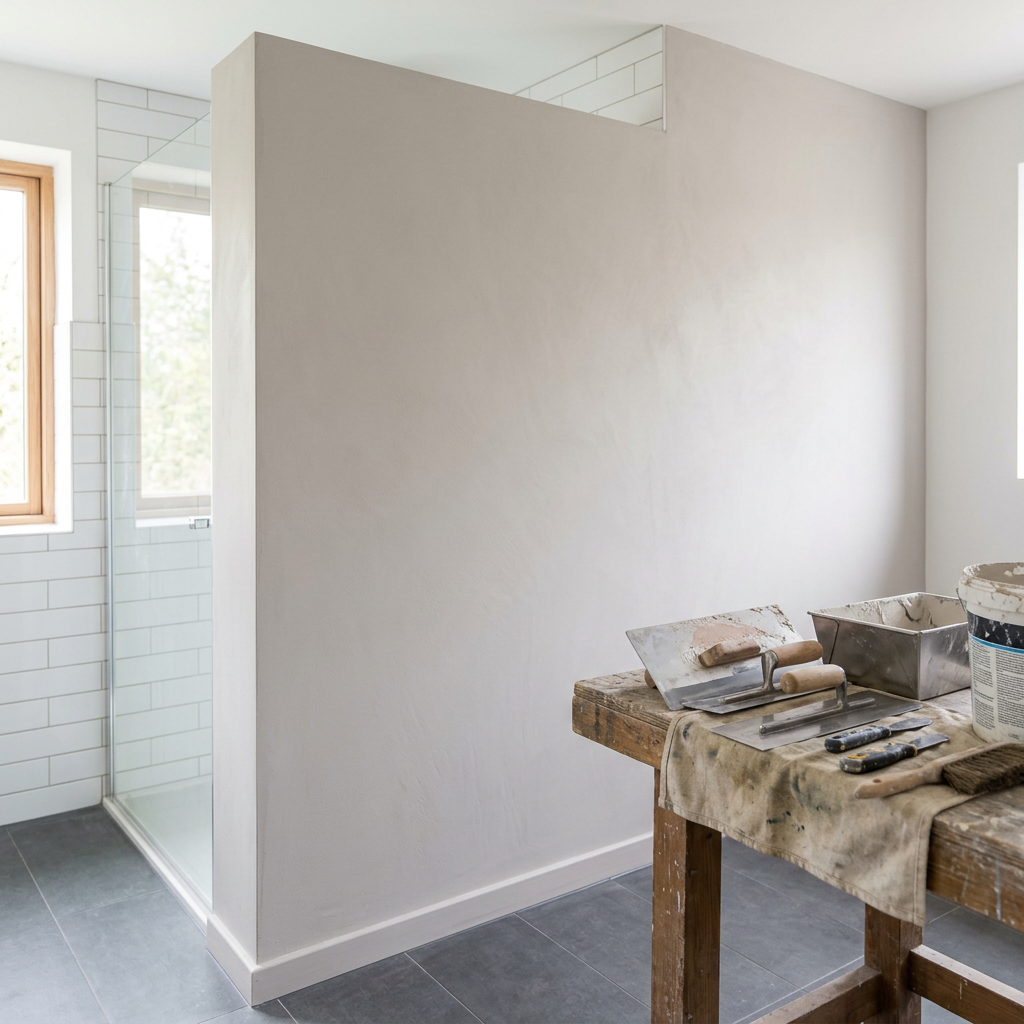
The Best Plaster for Bathroom Walls That Resists Moisture
The Best Plaster for Bathroom Walls That Resists Moisture
Have you ever walked into a bathroom only to find the walls bubbling or peeling? It’s a common yet alarming sight for many homeowners in London. With our often damp and humid climate, choosing the right plaster for your bathroom walls is not just an aesthetic decision but a necessary one for longevity. In this post, we’ll dive deep into the types of plaster that can withstand moisture, ensuring your bathroom remains looking pristine.
1. Understanding Moisture-Resistant Plaster
Moisture-resistant plaster is designed to combat the challenges posed by high humidity environments like bathrooms. Unlike regular plaster, which can deteriorate in moist conditions, these specialized plasters contain additives that inhibit mold growth, prevent water damage, and ensure durability.
Common Types of Moisture-Resistant Plasters:
- Gypsum plaster: Often used in locations with moderate moisture. Gypsum plaster can be treated to be water-resistant.
- Cement-based plaster: Best suited for high-moisture areas, cement plaster is inherently resistant to water.
- Acrylic plaster: This type includes polymers that provide a waterproof barrier, making it suitable for bathrooms.
2. Characteristics to Look for in Bathroom Plaster
When considering the best plaster options for your bathroom walls, look for the following characteristics:
- Water resistance: Ensures that moisture doesn’t seep through and cause damage.
- Mold resistance: Essential for preventing growth in consistently damp environments.
- Durability: High-quality plaster will withstand knocks and impacts better over time.
How to Choose the Right Plaster
- Assess moisture levels: Consider if your bathroom is prone to high humidity.
- Evaluate your budget: Typical plaster costs in London range from £10 - £25 per square meter, depending on the type.
- Consider installation time: Some plasters cure faster than others, affecting your project timeline.
3. Practical Plastering Tips for Bathrooms
Step-by-Step Guide to Plastering Your Bathroom Walls:
- Prepare the Surface: Clean the walls of any old paint or wallpaper. For best results, ensure the wall is dry and free of dust.
- Choose the Right Plaster: Based on the above characteristics, select your plaster type.
- Mix the Plaster: Follow the manufacturer's instructions carefully; correct mixing is crucial for optimal results.
- Apply the Plaster: Start with a base coat, smoothing it out evenly across the wall using a trowel.
- Cure the Plaster: Allow the plaster to set according to the manufacturer's guidelines. Don't rush this step!
- Finish with a Topcoat: After drying, you may want to apply a waterproof sealant for added protection.
FAQ
How often should I re-plaster my bathroom walls?
Moisture-resistant plaster can last anywhere from 5 to 15 years depending on the quality of installation and the level of bathroom usage. It's wise to inspect your bathroom regularly for any signs of water damage or mold.
Can I use regular plaster in my bathroom?
While it’s possible to use regular plaster, it’s not recommended due to its susceptibility to moisture damage. Always opt for moisture-resistant plaster for long-lasting results.
What’s the average cost of moisture-resistant plaster in London?
Pricing varies, but generally, moisture-resistant plaster costs between £10 to £25 per square meter, depending on the type and the service provider. You might want to check our Gallery for examples of our completed projects for more visual context.
Are there any specific brands you recommend?
Some trusted brands for moisture-resistant plaster include British Gypsum and Knauf. Always read reviews and consider consulting with a professional plasterer for tailored advice. If you’re looking for local help, check our PlasterersNearMe services for experts.
What’s the difference between skimming and applying plaster?
Skimming involves applying a thin layer of plaster over an existing surface to create a smooth finish, ideal for surfaces that are already relatively flat. If your walls need significant work, a full plastering job might be necessary. Check out our WallSkimmingLondon for more specific services tailored to your needs.
Conclusion: Transform Your Bathroom with the Right Plaster
The right plaster can transform not just the look of your bathroom but also ensure its longevity against moisture damage. From selecting moisture-resistant options to proper application techniques, being informed can save you time and money in the long run. If you're ready to take the plunge, contact London Plastering Service today for a consultation or visit our Blog for more expert plastering tips and guides. Let’s get your bathroom looking its best!
For professional plastering assistance across London—whether it’s in Chelsea, Camden, or beyond—our experienced team is here to help you every step of the way. Don’t hesitate; ensure your bathroom walls are moisture-ready now!
Related Plastering Guides & Services
Need Professional Plastering?
Get expert plastering services in London. Free quotes within 60 minutes.