
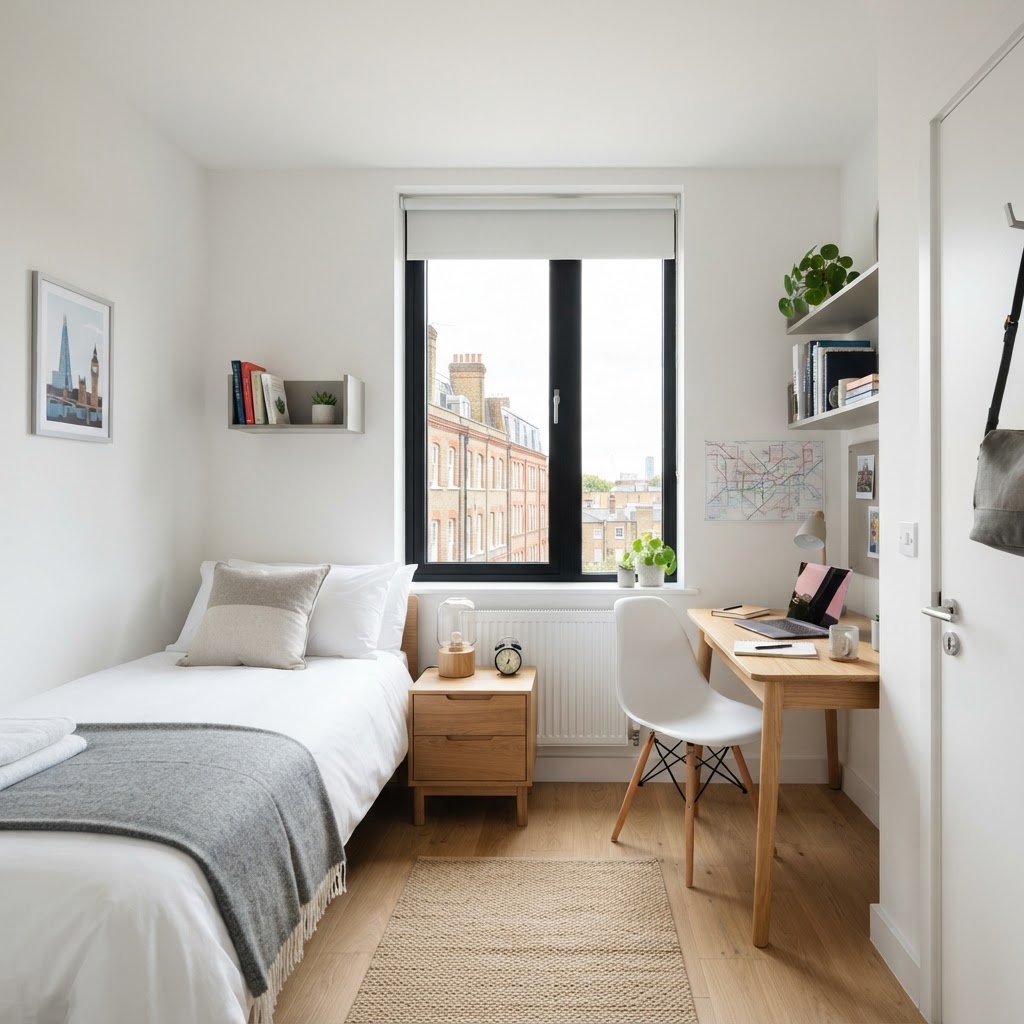
Student Accommodation Plastering London: 2026 Rates Guide
Professional Plastering for London Student Accommodation
When managing student housing projects in cities as fast-paced and competitive as London, the quality of your interior finishes directly impacts your occupancy rates, tenant satisfaction, and long-term maintenance costs. Student properties, particularly those in bustling boroughs like Camden (NW1) or Southwark (SE1), are subjected to a level of wear and tear that can be significantly higher than typical residential properties. High tenant turnover, occasional parties, and the general wear of daily student life necessitate robust, durable wall finishes. At London Plastering Service, we understand these unique demands. We specialise in providing plastering solutions that not only look aesthetically pleasing but are also built to last, minimising the need for constant repairs and ensuring your properties maintain their appeal and value throughout the academic year and beyond.
Understanding the 2026 London Student Accommodation Market
The London student accommodation market in 2026 continues to evolve, with a strong emphasis on rapid turnaround times for renovations, especially during summer breaks, and an increasing demand for durable, low-maintenance materials. Developers and property managers are constantly seeking ways to enhance the student living experience while optimising operational efficiency. Whether you're renovating a cluster of studio flats in the academic hub of Bloomsbury (WC1) or a multi-room student block in the vibrant district of New Cross (SE14), partnering with a specialist plastering service that understands the unique pace and demands of student housing is absolutely essential. Factors like soundproofing, impact resistance, and ease of cleaning are becoming paramount. For a broader overview of general plastering market trends and pricing in the capital, please refer to our comprehensive Plastering Prices London guide, which provides extensive detail on various services and their associated costs.
Plastering Rates for Student Housing: What to Expect in 2026
For large-scale student accommodation projects across London, pricing is typically calculated on a per-square-metre (sqm) basis or on a per-unit (room or flat) basis. This approach is more common than the standard residential hourly rate, as it allows for better budget predictability for bulk projects. The specific rates can vary depending on factors such as the condition of the existing walls, the type of finish required, the specific London postcode (rates might be slightly higher in prime central areas like Kensington, W8, compared to outer London boroughs), and the total volume of work.
- Standard Wall Skimming (Per Sqm): Expect rates to range from £14 to £22 per square metre. This price typically includes minor surface preparation, such as filling small cracks or holes, and applying a smooth skim coat over existing plaster or plasterboard. The lower end of the scale is generally for larger volumes of rooms (e.g., 50+ rooms), while the higher end applies to smaller projects or more challenging surfaces. This assumes standard ceiling heights of around 2.5 metres.
- Full Room Replastering (Per Room): For a complete strip-back and replaster of a standard student bedroom (walls and ceiling), you can anticipate costs ranging from £550 to £950 per room. This price accounts for significant preparation, potentially including removing old, damaged plaster, repairing minor structural issues, and applying multiple coats for a perfect finish. Factors influencing this range include room size, existing wall condition (e.g., presence of Artex, severe damp, or significant damage), and the type of finish desired (e.g., smooth plaster vs. a more textured finish).
- Dry Lining Installation (Per Sqm): For new builds or major renovations where new walls or ceilings are being constructed, dry lining (plasterboarding) followed by skimming is often the most efficient method. Expect prices between £30 and £50 per square metre, inclusive of materials (plasterboard, fixings, jointing compound) and labour. This technique is highly effective for creating soundproofed partitions and can significantly speed up the construction process.
- Ceiling Skimming (Per Sqm): Ceilings often bear the brunt of wear and tear, from leaks to impact damage. Skimming a standard ceiling typically costs between £18 to £28 per square metre, depending on accessibility and the extent of surface damage.
For a more detailed breakdown and specific costings tailored to your project size and location within London, such as areas like Earl's Court (SW5) or Greenwich (SE10), we recommend reviewing our Plastering Cost London guide. This resource provides deeper insights into how various factors influence the final quote, ensuring your budget aligns with current industry standards and your project requirements.
Key Considerations for Student Properties in 2026
When preparing student properties for the start of the academic year, particularly during the critical summer turnover period, efficiency, durability, and cost-effectiveness are paramount. Many property managers and landlords opt for Wall Skimming London services as a rapid and economical way to refresh tired, damaged, or uneven surfaces without the significant expense and disruption of a full strip-out and re-plaster. Skimming can transform a room with minimal downtime, making it ideal for properties with tight turnaround schedules.
If your student accommodation buildings, especially older Victorian or Edwardian conversions common in areas like Islington (N1) or Hackney (E8), have ceilings that have suffered from water ingress, impact damage, or sagging over time, our Ceiling Plaster Repair London services are essential. We can expertly repair or completely skim damaged ceilings, restoring them to a pristine, smooth finish that enhances the overall appeal of the room and prevents further deterioration. This is crucial for maintaining rental value and tenant comfort. We also understand the specific challenges of student properties: sticky fingerprints on walls, scuffs from moving furniture, and occasional accidental impacts. Our plastering solutions provide a durable, washable surface that simplifies cleaning and maintenance between tenancies, reducing long-term operational costs.
Durable Finishes for High-Traffic Areas in Student Accommodation
Communal areas within student accommodation, such as hallways, stairwells, and kitchens, are inevitably high-traffic zones that experience the most wear and tear. To combat this, we frequently recommend modern Dry Lining London techniques. When used in conjunction with plasterboarding, it provides superior soundproofing—a vital feature for student living, helping to minimise noise disturbances between rooms and from communal areas. Furthermore, dry lining offers an exceptionally smooth, flat, and paint-ready surface that is generally more resistant to cracking and impact damage compared to traditional lath and plaster, especially when high-impact plasterboards are specified for these areas. This results in a more resilient finish that requires less frequent repair.
Many older student properties, particularly those in areas like Kensal Rise (NW10) or Kilburn (NW6), still feature dated textured ceilings, such as Artex. These can look outdated, harbour dust, and are often difficult to clean. We offer expert Artex Covering London services, which involve applying a new layer of plaster over the existing Artex to create a smooth, modern aesthetic. This not only updates the look of the room but also ensures compliance with current fire safety regulations and design trends, making the property more attractive to prospective student tenants. Smooth ceilings also reflect light better, making rooms feel brighter and more spacious.
Expert Explanation: Why Durability Matters in Student Lets
As plastering specialists, we observe firsthand the unique stresses placed upon walls and ceilings in student accommodation. Unlike family homes, student properties often experience rapid occupancy changes, which means frequent furniture moving and a higher likelihood of minor impacts. Furthermore, the communal nature of student living can lead to increased noise transmission. Our expertise lies in recommending and applying the most suitable plastering techniques and materials to address these challenges. For instance, using harder-wearing plaster finishes, applying thicker skim coats, or specifying moisture-resistant plasterboards in kitchens and bathrooms can significantly extend the lifespan of the finish. Dry lining, as mentioned, offers excellent thermal and acoustic insulation, contributing to a more comfortable and energy-efficient living environment, which is an increasingly important factor for students choosing where to live. We also advise on appropriate surface preparation to ensure optimal adhesion and longevity, particularly crucial in older buildings which might have underlying structural movement or damp issues that need addressing before plastering.
Deeper Dive into Pricing Factors
When we provide quotes for student accommodation projects in London, several granular factors influence the final price beyond the basic sqm rate. These include:
- Accessibility: Properties with narrow staircases, restricted access to rooms, or on higher floors (requiring scaffolding or extensive protection) may incur additional labour costs.
- Type of Existing Wall Finish: Removing old, flaking paint, dealing with wallpaper residue, or stripping back severely damaged or textured plaster (like Artex) adds significant preparation time and cost.
- Plaster Type: While standard gypsum plaster is common, certain projects might benefit from specialist plasters offering enhanced durability or fire resistance, which can affect material costs.
- Structural Issues: If we discover underlying problems such as rising damp, penetrating damp, or significant cracks indicative of structural movement during preparation, these will need to be addressed before plastering can commence. Remedial work will be quoted separately and is essential for a long-lasting repair.
- Site Conditions: Working in occupied student halls (requiring careful scheduling and dust containment) or in areas with limited parking can also influence pricing.
- Client Specifications: Specific requirements for finish (e.g., ultra-smooth finish for high-gloss paint, specific curing times) can also impact the labour involved.
We always aim for transparency, breaking down these costs where possible in our detailed quotes, ensuring clients in areas like Brent (HA0) or Ealing (W5) understand the value and scope of the work.
Frequently Asked Questions (FAQs) - Expanded
Q1: How much does it typically cost to replaster a standard student bedroom in London in 2026?
On average, replastering a single, standard-sized student bedroom (approximately 10-12 sqm of wall area, plus a standard ceiling) in London during 2026 can cost between £500 and £700. This estimate usually covers the preparation of the existing walls and ceiling (assuming they are in reasonably good condition, perhaps needing minor repairs and a mist coat), followed by two full coats of a smooth skim plaster. This price point assumes standard ceiling heights (around 2.5m) and straightforward access. Larger rooms, rooms with unusually high ceilings (e.g., in period properties in areas like Hampstead, NW3), or those requiring significant repair work (like removing old Artex or dealing with damp patches) could push the cost towards the higher end of this range, or even exceed it. For a precise quote, a site visit or detailed photographs are always recommended.
Q2: Do you offer discounts or special rates for multi-unit student blocks or large-scale accommodation projects?
Absolutely. We recognise that student accommodation providers often manage multiple units or entire buildings. Therefore, we offer significant economies of scale and provide tiered, discounted pricing structures for large-volume projects. The more rooms or units you require plastering for, the lower the cost per unit will be. This volume discount reflects the efficiencies gained in terms of logistics, material purchasing, and workflow management. Whether you're refurbishing a 20-room HMO in Shepherd's Bush (W12) or a new-build student block of 100+ rooms in Stratford (E15), we can tailor a competitive package. We are happy to discuss bespoke pricing agreements for ongoing contracts or substantial developments.
Q3: What is the most cost-effective and quickest way to repair or refresh walls in a student house between tenancies?
For minor damage such as small dents, scuffs, or hairline cracks that commonly appear in student properties, a localised repair using filler followed by a touch-up skim coat can be a quick fix. However, for properties with high tenant turnover and where a lasting, professional finish is desired, the most cost-effective and efficient method overall is typically a full wall skimming of the affected room(s). Skimming over the existing surfaces (assuming they are sound) is much faster and cheaper than stripping back and replastering from scratch. It provides a fresh, uniform surface that is ready for painting, looks much better, and is more durable. For more severe damage, like significant impact holes or crumbling plaster, a partial or full replaster might be necessary, but even then, skimming provides a superior finish. We also offer Emergency Plaster Repair London for urgent, smaller-scale repairs if needed, but we always advise that a full skim offers better long-term value for student accommodation.
Q4: How long does it typically take to fully replaster a standard student bedroom, including drying time?
A standard student bedroom, including both walls and ceiling, typically takes approximately 1.5 to 2 working days to fully plaster. This timeframe includes: Day 1: Initial preparation (protecting floors and furniture, cleaning surfaces, minor repairs, applying mist coat if necessary) and the first coat of plaster (or applying plasterboard if dry lining). Day 2: Application of the final skim coat, allowing for initial setting and drying. Full drying and curing can take longer, depending on environmental conditions (temperature, humidity), ventilation, and plaster thickness – often up to a week or more before painting is recommended to avoid issues like moisture trapping. For larger projects involving multiple rooms, we can often schedule work concurrently or in phases to minimise disruption and complete the overall project efficiently.
Q5: How does plastering affect soundproofing in student accommodation?
Plastering, especially when combined with modern techniques like dry lining, plays a crucial role in soundproofing student accommodation. A well-plastered, seamless surface reduces air gaps through which sound can travel. When we install new partition walls using plasterboard (dry lining), we can incorporate sound-deadening materials like mineral wool insulation within the stud frame before the plasterboard is fixed and skimmed. This significantly improves acoustic performance compared to older, solid wall constructions that may have poor insulation. Even skimming existing walls adds a layer of mass which, while not a primary soundproofing solution on its own, contributes to dampening sound vibrations. For communal walls between rooms or between flats, we often recommend using thicker plasterboard or constructing double-skin partitions for optimal sound insulation, a service we frequently provide in London boroughs like Lambeth (SW2) or Wandsworth (SW18) where multi-occupancy housing is common.
Get Your Professional Quote Today
Don't let deteriorating plasterwork compromise your student accommodation's appeal, value, or tenant satisfaction. Poorly maintained walls and ceilings can lead to higher maintenance costs, negative reviews, and difficulties in attracting high-quality tenants, ultimately damaging your rental yield. Whether you require a comprehensive Full House Replaster London for a major refurbishment of a property in areas like Earl's Court (SW5) or Clapham (SW4), routine skimming for multiple student rooms across different sites, or emergency repairs to prepare a property for immediate occupancy, our experienced team is ready to provide expert solutions.
Contact London Plastering Service today to discuss your specific student accommodation project requirements. We offer free, no-obligation consultations and detailed, transparent quotes tailored to your building's needs and your budget. Let us help you create durable, attractive, and high-quality living spaces for students across London.
Related Plastering Guides & Services
Need Professional Plastering?
Get expert plastering services in London. Free quotes within 60 minutes.