
Stop Plaster Blowing on Internal Walls: Proven Techniques
How to Stop Plaster Blowing on Internal Walls: Proven Techniques
Have you ever found yourself staring at a wall that once looked pristine, only to discover unsightly patches and flaking plaster? It can be particularly jarring when you invite friends over or prepare for a family gathering. Imagine the disappointment when a small patch of plaster goes from bad to worse, leaving you feeling embarrassed about your home. You’re not alone—this is a common issue for many London homeowners, especially in neighborhoods like Islington and Chelsea where the charm of older properties can often lead to plaster problems.
Plaster blowing, the term used when plaster detaches from the surface it’s meant to adhere to, can occur due to several reasons, including moisture buildup, poor application, or even the wrong materials. But fear not! There are effective solutions to help you combat this issue and maintain your home’s structure and aesthetics. In this guide, we will explore the causes of plaster blowing, effective prevention techniques, and actionable steps for repair, ensuring that your walls remain smooth and resilient.
Understanding Plaster Blowing: Causes and Identification
Before we dive into remedies, let’s understand why plaster blowing happens. Here are some common causes:
- Moisture Infiltration: One of the most frequent culprits. Leaky roofs or rising damp can cause moisture to seep into walls, weakening plaster.
- Poor Preparation: If the wall surface wasn’t properly prepared before plastering, such as insufficient cleaning or overly smooth finishes, plaster might not bond effectively.
- Setting Issues: Using the incorrect plaster mixture (too wet or too dry) can result in inadequate adhesion.
- Temperature Fluctuations: Rapid changes in temperature can cause plaster to expand and contract, leading to cracks and detachment.
Now that we know what causes plaster blowing, let’s explore how you can stop it in its tracks before it becomes a bigger issue.
Step-by-Step Guide to Prevent and Repair Plaster Blowing
1. Identify Areas at Risk
Start by carefully inspecting your interior walls. Look for signs of bubbling, cracking, or flaking plaster, particularly around:
- Corners and edges
- Areas prone to humidity (bathrooms and kitchens)
- Walls that are in direct contact with external surfaces
2. Address Moisture Issues
The first step in preventing plaster from blowing is to tackle any moisture sources. Here’s how:
- Check for Leaks: Inspect plumbing fixtures and roofing for leaks. You may need a plumber for this.
- Ventilation: Ensure proper ventilation in high-humidity areas. Consider installing extractors in bathrooms and kitchens. Decent ventilation can help maintain dryness.
- Damp Proofing: Investigate professional damp proofing services if rising damp is suspected. London Plastering Service provides solutions tailored to local properties.
3. Repairing Blown Plaster
If you’ve identified areas where plaster has already blown, here’s how to fix them:
- Remove Affected Areas: Carefully cut away the blown plaster using a utility knife or chisel. You’ll want to remove all loose plaster until you reach solid material beneath.
- Prepare the Surface: Clean the area thoroughly with a brush and water to remove dust and debris. Ensure that the remaining surface is slightly rough for better adhesion.
- Reapply New Plaster: Mix new plaster according to the manufacturer’s instructions. Apply it in thin layers, allowing each to set properly before adding more. This is often referred to as the ‘mist coat’ approach.
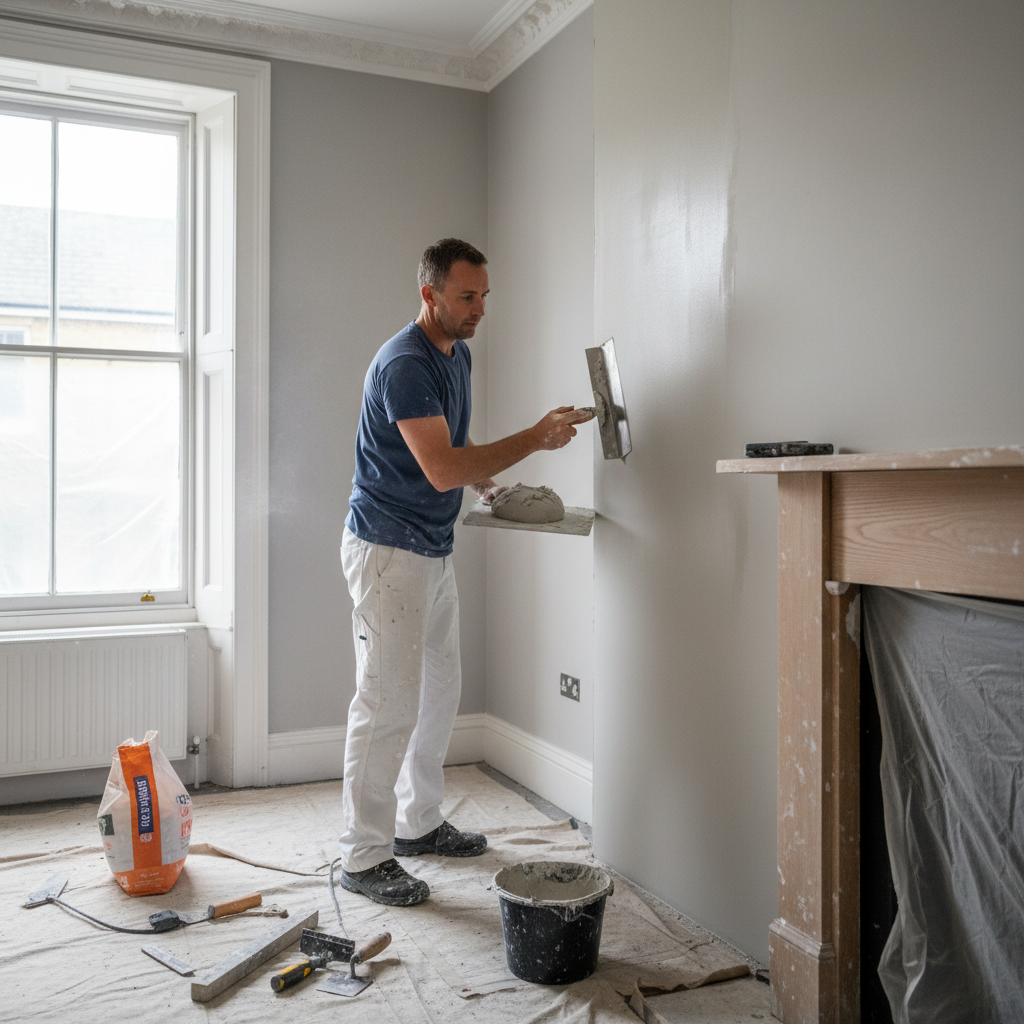
- Finish Smoothly: Once the final layer is applied, smoothen it with a trowel and allow it to dry completely.
4. Use Quality Materials
Investing in high-quality plaster suitable for your environment is crucial. For instance, using water-resistant plaster in moisture-prone areas can drastically improve durability. Look for products from reputable brands that provide guarantees.
5. Regular Maintenance
Lastly, to ensure your plaster remains in top condition, consider a regular maintenance routine:
- Conduct semi-annual inspections of your interior walls.
- Check for leaks and damp spots as part of your home care.
- Repaint or touch up plaster finishes every few years to prevent larger issues from developing.
Practical Tips for London Homeowners
Here are some additional practical tips for maintaining plaster in your London home:
- Climate Control: Using dehumidifiers in damp areas helps manage indoor humidity.
- Wall Treatments: Consider applying breathable paints that allow moisture to escape while providing a protective layer.
- Neighborhood Specifics: Understanding the unique aspects of your community can help. For example, if your home is located near the River Thames, you may need to address humidity levels more frequently.
FAQ
What are the signs that plaster is blowing?
Signs of blowing plaster include visible cracks, blisters or bubbles in the surface, and areas that feel soft or hollow when tapped. You may also notice peeling paint in affected areas.
How much does it cost to repair blown plaster?
The cost varies depending on the severity of the damage and your location in London. Basic repairs can start from £150 for smaller areas, while extensive work requiring professional attention may range from £400 to £1,000 or more, especially in large spaces.
Should I DIY or hire a professional for plaster repairs?
For small patches, DIY is feasible if you’re comfortable with basic repairs. However, for larger issues or if there’s underlying damage, it’s wise to hire professionals like those from London Plastering Service for quality assurance and safety.
Can damp proofing eliminate plaster blowing?
While damp proofing can significantly reduce moisture issues, it’s essential to combine this with proper wall preparation and maintenance to fully prevent plaster blowing.
How can I take care of my plastered walls after repair?
To care for repaired walls, keep them clean, monitor humidity control, and avoid hanging heavy items that could disturb the plaster.
Conclusion
Dealing with plaster blowing doesn’t have to be daunting. By understanding the causes and applying the preventive techniques outlined in this guide, you can maintain the integrity and appearance of your interior walls. Remember, prevention is key! If you find that your plaster issues persist despite your best efforts, don’t hesitate to reach out to a local professional like London Plastering Service.
For homeowners in areas like Camden or Westminster, it’s essential to partner with skilled plasterers who understand the unique challenges posed by older buildings in London.
Call us today for a consultation or visit our gallery to see how we’ve helped other London homeowners restore their beautiful interiors. Don’t wait—secure your home’s future today with our trusted plastering services!
Related Plastering Guides & Services
Need Professional Plastering?
Get expert plastering services in London. Free quotes within 60 minutes.