
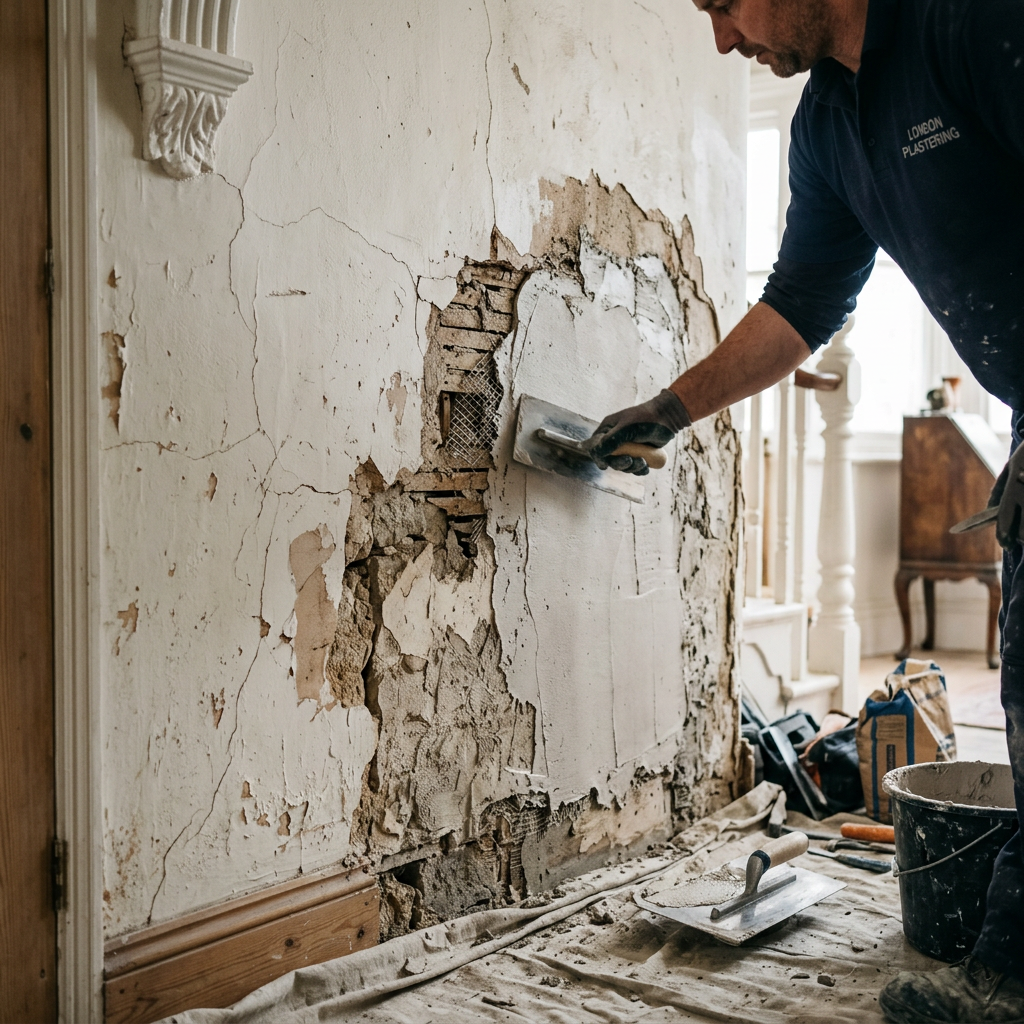
Stop Plaster Blowing on Internal Walls: Expert Tips
How to Stop Plaster Blowing on Internal Walls
Imagine coming home after a long day at work, only to discover unsightly cracks and peeling plaster on your internal walls. This frustrating scenario is all too common among London homeowners, especially in older properties where plastering quality may have deteriorated over time. But why does plaster blow, and how can you prevent it? In this guide, we'll provide you with actionable tips and expert advice to ensure your internal walls remain as stunning as the day they were installed.
Understanding the Problem: What is Blowing Plaster?
What Causes Blowing Plaster?
Blowing plaster is a condition where the plaster on your walls becomes detached from the wall beneath it. This can occur due to several factors, including:
- Moisture: Excessive humidity or water damage can weaken plaster adhesion.
- Poor application: Incorrect mixing or application techniques can lead to weak plaster.
- Age: Older plaster can deteriorate over time, especially if not maintained properly.
- Thermal expansion and contraction: Fluctuations in temperature can cause plaster to crack and lift.
Understanding these causes will help in identifying and fixing plaster problems effectively.
How to Prevent Blowing Plaster
Preventing plaster from blowing involves a combination of proper maintenance, timely interventions, and possibly some home improvements. Here’s how:
1. Control Humidity Levels
- Use Dehumidifiers: Invest in a dehumidifier to keep indoor humidity below 60%. This is particularly essential in areas prone to moisture, such as kitchens and bathrooms.
- Ventilation: Ensure adequate airflow with a properly ventilated home. Open windows and use exhaust fans to reduce humidity levels.
2. Regular Inspections
Conduct regular checks for signs of moisture and cracking:
- Look for damp spots, especially in corners and behind furniture.
- Monitor areas around windows and doors where moisture often accumulates.
3. Improve Insulation
- Check Insulation: Poorly insulated walls can lead to condensation, causing plaster to blow. Ensure your property has adequate insulation, particularly in older homes in areas like Westminster or Camden.
- Thermal Boards: Consider installing thermal boards if your walls are particularly prone to cold spots.
4. Repair and Maintenance
- Fix Cracks Promptly: Address small cracks before they become larger problems. Use a sealant or filler specifically designed for plaster repairs.
- Replastering: If the damage is extensive, professional replastering by our professional plastering team may be necessary. This can ensure a long-lasting finish.
Step-by-Step Guide to Repairing Blown Plaster
If you’ve discovered areas of blown plaster, immediate action is important. Here’s a straightforward approach:
- Identify Affected Areas: Tap lightly on the plaster; if it sounds hollow, it’s likely blown.
- Remove Loose Plaster: Use a chisel and hammer to carefully remove any cracked or loose plaster.
- Prepare the Surface: Clean the area and apply a stabilising solution if moisture is present.
- Re-skim or Replaster: Apply new plaster or wall skim, ensuring to feather the edges for a smooth finish. If unsure, check our wall skimming services.
- Allow to Cure: Let the plaster dry completely, which may take several days depending on thickness and humidity.
- Paint: Once cured, repaint the surface for a fresh look.
DIY vs Professional Help
While some homeowners may feel comfortable tackling minor repairs, extensive plaster work is best left to professionals. Even if you’re handy, getting a quote from a trusted local plasterer can save time and ensure quality. Find local plasterers in your area via our PlasterersNearMe service.
FAQ
1. Why is my plaster blowing?
Blowing plaster is often caused by moisture trapped behind the plaster, poor adhesion due to improper application, or age-related deterioration. Regular checks can help catch problems early.
2. How much does it cost to repair blown plaster in London?
The cost can vary depending on the extent of the damage. Minor repairs may start at around £50, while complete replastering can cost between £400 to £800, depending on the size of the area.
3. Can I plaster over blown plaster?
It’s recommended first to remove the blown plaster and address the underlying issues before applying new plaster, to ensure a lasting repair.
4. How can I tell if plaster is blown?
Tap on the plaster; a hollow sound indicates possible separation from the wall. Visible cracks and peeling paint are also signs of blown plaster.
5. What are the benefits of hiring professionals for plastering?
Hiring professionals ensures that the work is done correctly, reduces the risk of future problems, and can often save time and money in the long run. View our completed projects for examples of our workmanship.
Conclusion
Maintaining the integrity of your internal walls is crucial for both aesthetics and structural stability. By understanding the causes of plaster blowing and taking the necessary preventive measures, you can protect your home from the costs and headaches associated with plaster damage. Always consider consulting professionals for significant repairs, ensuring a pristine and long-lasting result for your home's interiors. For more tips and expert advice, visit our blog for additional guides. Ready to take the next step? Contact London Plastering Service today for a quote or assistance!
Related Plastering Guides & Services
Need Professional Plastering?
Get expert plastering services in London. Free quotes within 60 minutes.