
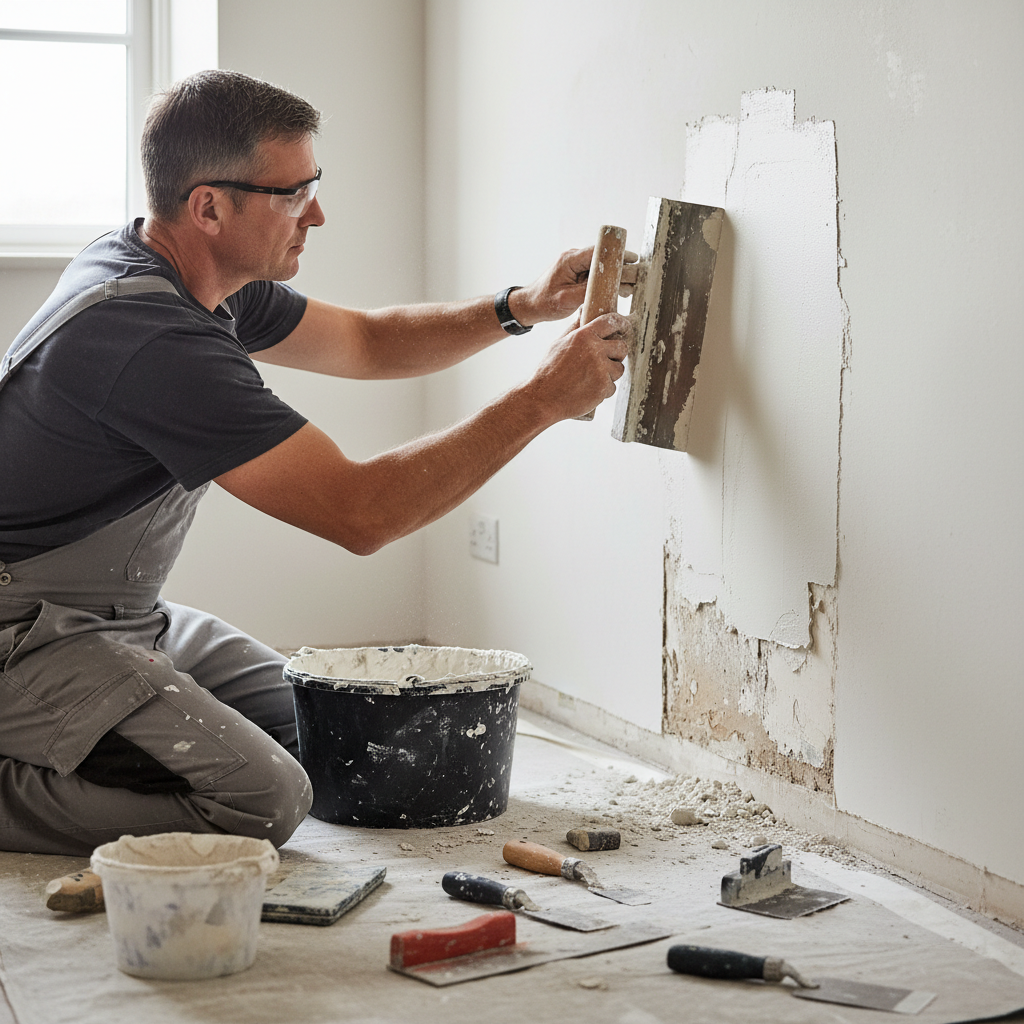
Stop Plaster Blowing on Internal Walls: Essential Guide
How to Stop Plaster Blowing on Internal Walls: An Essential Guide
Have you ever walked through your London home, admiring the architecture, only to be abruptly jarred by unsightly plaster bubbles on your internal walls? Picture this: you're setting up for a dinner party, and as you hang decorations, you notice patches of plaster that seem to be peeling away from the wall. It’s an unfortunate reality for many homeowners in bustling areas like Hackney or Camden. If this resonates with you, fear not! In this guide, we’ll explore how to stop plaster blowing on internal walls, offering practical solutions tailored for your unique home environment.
Understanding Plaster Blowing
Before diving into solutions, let’s understand what plaster blowing is and why it happens. Plaster blowing refers to the separation of plaster from the underlying surface, often resulting in visible bulges or peeling. This can be caused by various factors:
- Humidity and Moisture: Excessive moisture in the walls or environment can weaken the bond between plaster and substrate.
- Poor Application: Inadequate preparation or application during plastering can lead to defects.
- Thermal Shock: Rapid temperature changes can cause expansion and contraction, stressing the plaster.
- Lack of Ventilation: Poor airflow can lead to trapped moisture in the walls.
Understanding these causes is the first step in preventing plaster from blowing.
Prevention: Stop Plaster Blowing Before It Starts
1. Ensure Proper Wall Preparation
Before applying plaster, it's essential to prepare the wall correctly. Here’s a step-by-step guide:
- Inspect for Moisture: Use a moisture meter to check for underlying dampness.
- Clean the Surface: Remove dust, dirt, and old peeling plaster. A clean surface promotes better adhesion.
- Apply a Primer: Use a bonding agent to ensure the plaster adheres properly to the surface.
2. Control Humidity Levels
Keeping humidity in check is crucial, especially in damp London boroughs. Consider:
- Using Dehumidifiers: These devices help control moisture levels indoors.
- Improving Ventilation: Ensure bathrooms and kitchens are well-ventilated to prevent steam buildup.
3. Choose Quality Materials
Invest in high-quality plaster and bonding agents. While cheaper materials may save money upfront, they often fail sooner, costing more in repairs.
4. Professional Application
Consider hiring a professional from London Plastering Service for application. An expert ensures the work is done correctly, minimizing future issues.
Repairing Blown Plaster: Step-by-Step Guide
If your plaster is already blowing, don’t despair. Here’s how to tackle the repair:
Tools You’ll Need:
- Utility knife or chisel
- Plaster patching compound
- Trowel
- Sandpaper
- Primer
- Paint (optional)
Repair Steps:
- Cut Away Loose Plaster: Use a utility knife to carefully trim around the blown area, removing any loose plaster.
- Prepare the Surface: Clean the area to remove dust and debris.
- Apply Patching Compound: Use a trowel to apply a layer of patching compound into the cavity.
- Smooth the Surface: Use the trowel to level the compound with the surrounding wall.
- Let It Dry: Allow the compound to dry fully (follow package instructions).
- Sand the Area: Once dry, sand gently to create a smooth finish.
- Prime and Paint: If desired, apply primer and paint to match the surrounding area.
Cost Estimation for Repairing Plaster
For London homeowners, repairing blown plaster can vary based on the extent of the damage:
- Minor repairs: From £50 to £150 per area.
- Extensive repairs: Up to £500 for larger sections requiring more plastering work and preparation.
FAQ
Q1: How can I tell if my plaster wall is blown?
A: You can tell if your plaster is blown by checking for visible bulges, cracks, or an uneven surface. Tapping on the wall will often reveal a hollow sound in affected areas.
Q2: Can I repair blown plaster myself or should I hire a professional?
A: While minor repairs can be DIY projects, hiring a professional ensures the job is done correctly, minimizing future issues. Check out our team at London Plastering Service.
Q3: What should I do if moisture keeps coming back?
A: If moisture persists, consider investigating external sources like leaks or rising damp and consult a specialist in damp proofing. Check out our Gallery for examples of various projects and solutions.
Q4: How can I prevent future plaster blowing?
A: Ensure proper ventilation, control indoor humidity, and use quality materials and professional services to reduce risks in the future.
Q5: What areas of London are you based in?
A: We serve a wide range of London neighborhoods, including Camden, Shoreditch, and Islington. For local plasterers in your area, visit PlasterersNearMe.
Conclusion: Take Action Today!
Dealing with plaster blowing on internal walls can be frustrating, but with the right knowledge and tools, it’s entirely manageable. Remember to take proactive measures to prevent moisture build-up and always prioritize quality in materials and workmanship. If you find that your home is suffering from plaster issues, don’t hesitate to reach out to London Plastering Service for expert assistance. Our dedicated team is ready to help restore your walls to perfect condition—after all, a well-maintained wall is a proud statement of your home!
Call us today for a quote, or explore our Blog for more plastering tips to keep your home in great shape!
Related Plastering Guides & Services
Need Professional Plastering?
Get expert plastering services in London. Free quotes within 60 minutes.