
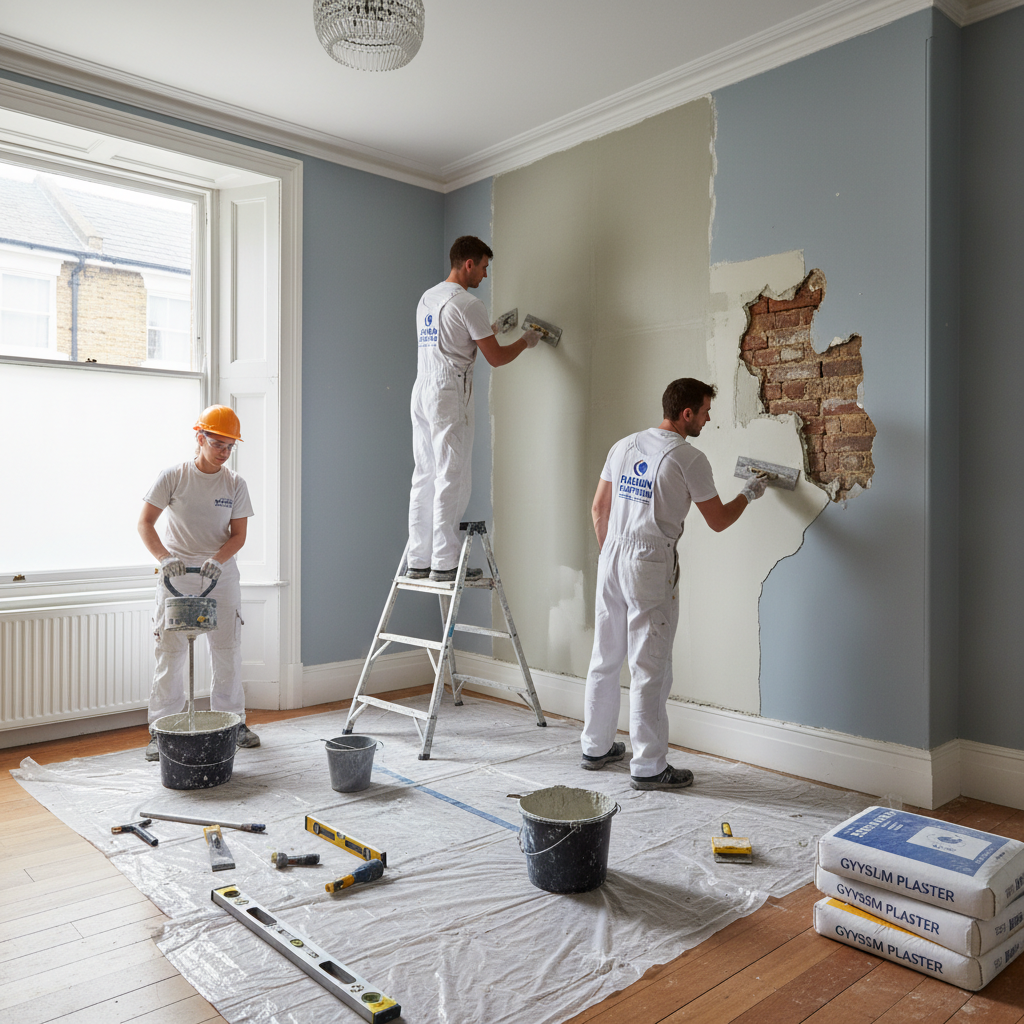
Stop Plaster Blowing on Internal Walls: A Complete Guide
How to Stop Plaster Blowing on Internal Walls
Imagine this: it’s a typical London afternoon, and you’re lounging in your cozy living room in Southwark when you hear an ominous crackling sound. You look up, only to see patches of your beautifully plastered walls bubbling out like lost balloons. The horror! You’re not alone—plaster blowing on internal walls is a common nuisance for many London homeowners. This guide will walk you through practical solutions to stop plaster blowing and revitalize your living space.
Understanding Plaster Blowing
Plaster blowing occurs when the plaster coating on your walls delaminates from the underlying surface. This condition usually manifests as bulging, cracking, or popping sounds and is often indicative of larger underlying issues, such as moisture intrusion or poor adhesion. Identifying the cause of the problem is crucial in stopping plaster blowing effectively.
Common Causes of Plaster Blowing
- Dampness and Moisture: One of the leading causes of plaster blowing is dampness. In London, with its damp climate, homes often face moisture issues from leaks, inadequate ventilation, or even rising damp.
- Poor Surface Preparation: If your walls weren’t properly prepared for plastering, the likelihood of the plaster coming loose increases.
- Incompatible Materials: Using incompatible materials can lead to adhesion problems, making it easier for plaster to blow.
- Temperature Fluctuations: Rapid changes in temperature can stress plaster, causing it to crack or blow off.
How to Stop Plaster Blowing on Internal Walls
To effectively tackle plaster blowing, you need a well-thought-out strategy. Let’s dive into actionable steps you can take:
Step 1: Assess the Damage
Before you can stop plaster from blowing, evaluate the extent of damage. Careful inspection will help you understand if you’re dealing with just a few spots or a larger problem.
- Look for Bubbles or Cracks: Identify areas where the plaster is warping or cracking.
- Test for Moisture: Use a moisture meter to check for damp spots, particularly in areas like the bathroom or kitchen.
Step 2: Identify the Cause
Once you've determined the extent of the damage, dig deeper to find the source of the issue.
- Check Gutters and Roofs: Ensure that your property’s roof isn’t leaking, and your gutters are properly routing water away from your walls.
- Inspect for Plumbing Leaks: Sometimes, issues originate from faulty plumbing hidden behind walls.
- Evaluate Ventilation: Ensure rooms are well-ventilated, especially areas prone to moisture.
Step 3: Repair or Remove Damaged Plaster
Depending on the damage, you may need to repair or completely remove the blown plaster.
- For Small Areas: If it’s minor damage, you can repair it by scraping away the blown plaster, applying a bonding agent, and then re-plastering.
- For Extensive Damage: If larger sections are affected, consider removing the entire section. Here’s how:
- Use a chisel and hammer to carefully remove all loose plaster.
- Clean the exposed wall surface thoroughly.
- Apply a damp-proof membrane if moisture is an issue.
- Re-plaster using high-quality materials to ensure a solid finish.
Step 4: Prevent Future Occurrences
Implement preventive measures to avoid plaster blowing in the future:
- Improve Ventilation: Install vents or fans where necessary to combat moisture build-up.
- Regular Maintenance: Check your roof, gutters, and plumbing regularly to identify potential leaks before they cause problems.
- Use Quality Materials: Ensure that you use compatible materials for plastering and that surfaces are adequately prepared.
Practical Tips for Homeowners
To maintain your internal walls effectively, here are some practical tips:
- Choose the Right Time to Plaster: In London, the best time to plaster is during dry, mild weather. Avoid plastering in high humidity or extreme cold, which can lead to poor adhesion.
- Budget Considerations: Hiring a professional plasterer to assess and fix plaster blowing can range from £250 to £1,500, depending on the scope of work.
- DIY or Professional Help?: While minor repairs can be a DIY task, consider hiring an expert from London Plastering Service for significant issues to ensure a durable finish and prevent mistakes.
FAQ
1. What is the average cost to repair plaster blowing in London?
The cost to repair plaster blowing can vary widely by the extent of the work needed. Small repairs can start at around £150, while full wall restoration can exceed £1,500. A detailed assessment from a professional is recommended.
2. How can I tell if my plaster is blowing?
Look for visible signs like bubbles, cracks, or areas that feel cold and damp to the touch. A sounding test, tapping the plaster lightly, can help you discern solid areas from damaged ones.
3. Can I paint over blown plaster?
Painting over blown plaster is not advisable, as it is a temporary fix that can hide underlying problems. It’s best to repair the plaster before repainting.
4. What materials should I use for plastering?
High-quality materials suitable for your wall type are crucial. Look for products designed for internal walls, especially moisture-resistant options if you are in a humid area.
5. How often should I check for plaster integrity?
It's wise to visually inspect your plaster twice a year, especially in damp areas, and after heavy rainfall or significant temperature changes.
Conclusion
Don’t let plaster blowing ruin the comfort of your home. By understanding the causes and how to effectively stop plaster from blowing, you can maintain your internal walls and protect your investment. If you need professional assistance, the team at London Plastering Service is ready to help. Contact us today to schedule an assessment and keep your home looking its best!
For more tips and guides, feel free to explore our Blog for a wealth of information to help keep your walls in shape!
Let’s bring back the beauty of your walls together!
Related Plastering Guides & Services
Need Professional Plastering?
Get expert plastering services in London. Free quotes within 60 minutes.