
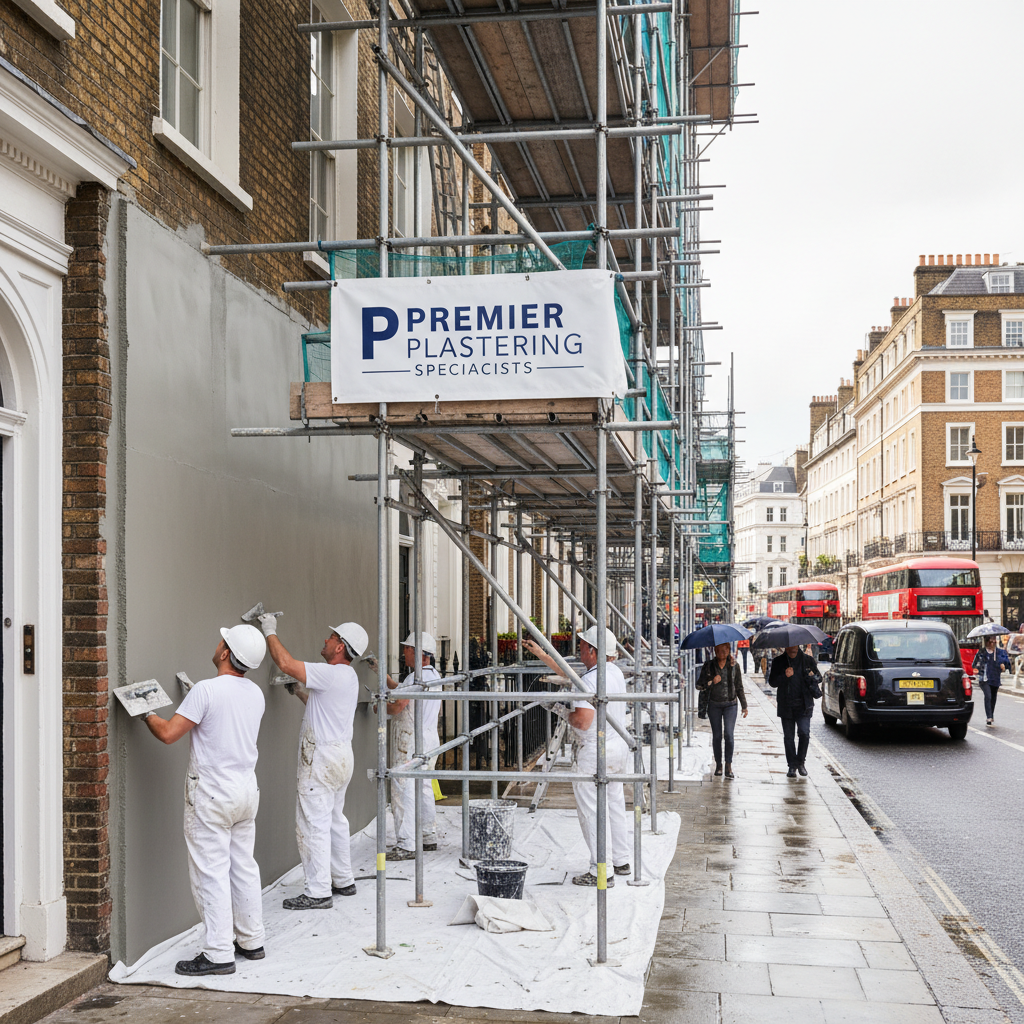
Spotting Cowboy Plasterers: Essential Red Flags
How to Avoid Cowboy Plasterers Red Flags
As you stroll through the charming streets of Hackney or admire the period features of Notting Hill, the last thing you want to worry about is whether your plasterer is a cowboy. Picture this: you’ve just spent hours researching the best plasterers in London, and you finally settle on one who seems great. You agree on a price, but once they start working, things quickly take a turn. You notice subpar work, missed deadlines, and excuses. This scenario is all too familiar for many homeowners in the city. In this blog, we’ll dive into how to recognize cowboy plasterers and avoid the pitfalls of hiring unqualified individuals.
What Are Cowboy Plasterers?
Cowboy plasterers are a term used to describe unregulated and often unscrupulous tradespeople who engage in low-quality work, overcharge, and provide poor customer service. They typically lack proper qualifications, licenses, and insurance, making them a risky choice for your home renovation projects. Let's explore the red flags to watch out for when hiring a plasterer in London.
Key Red Flags to Look For
Identifying cowboy plasterers involves being aware of specific behaviors and characteristics. Here are some of the most common red flags:
1. Unclear Credentials
- Lack of Qualifications: Always ask for proof of qualifications or training. A well-established plasterer should be proud to showcase their certifications.
- No Insurance: They should provide proof of both liability and indemnity insurance. Without this, you could be liable for accidents that happen on your property.
2. Vague Estimates
- Low Quotes: If a quotation seems too good to be true, it likely is. Cowboy plasterers often undercut prices only to add on extras later.
- Non-detailed Estimates: A reputable plasterer will give you a clear, itemized quote detailing labor, materials, and estimated timelines.
3. Poor Communication
- Inconsistent or Unresponsive: If the plasterer fails to return calls or messages promptly, it could be a sign of unreliability.
- No Contract: Always insist on a written contract outlining the scope of work, timeline, and payment terms. If they don’t want to provide that, consider it a major red flag.
4. Negative Reviews
- Online Reputation: Search for reviews and testimonials on platforms like Google and local directories. Look for consistent feedback about quality and client satisfaction.
- Low Star Ratings: If you see a pattern of complaints about sloppy work or unprofessional behavior, steer clear.
5. Lack of a Portfolio
- No Previous Work Examples: Legitimate plasterers will have a portfolio showcasing their previous projects. Check out the Gallery section for completed projects.
- Unwillingness to Provide References: Ask for references or contact previous clients about their experiences.
Practical Tips to Avoid Cowboy Plasterers
To ensure you end up with a reputable professional, consider the following actionable steps:
Research Diligently
- Check Local Listings: Utilize PlasterersNearMe to find qualified plastering services in your area.
- Visit Websites: Examine their websites for credentials, portfolio, and policies on communication and work guarantees.
Arrange a Consultation
- Conduct Interviews: Meet prospective plasterers and engage them about their experience and approach to work.
- Discuss Specifics: Cover your project details, materials needed, and timelines.
Verification Process
- Ask for Documentation: Request copies of licenses, insurance, and references before making any decisions.
- Be Observant: Take note during the consultation for their professionalism and communication style.
Make Use of Contracts
- Draw Up an Agreement: Solidify your understanding with a written contract. It should include:
- Scope of Work
- Timelines
- Payment Schedule
- Warranty Information
- Read the Fine Print: Make sure you understand all terms before signing.
FAQ
What should I do if I encounter a cowboy plasterer?
If you suspect you’ve hired a cowboy plasterer, document the issues and try to communicate your concerns. If problems persist, you may need to terminate their services and seek legal recourse.
How do I find trustworthy plasterers in London?
Look for reputable plasterers through trusted websites like London Plastering Service and platforms like Trustpilot, checking customer reviews and ratings.
What are typical costs for plastering services in London?
Costs can vary based on the complexity of work and area. Generally, expect to pay around £150-£300 per day for skilled plasterers, with projects potentially ranging from £400 to £1200 depending on the scale.
Is it okay to pay upfront for plastering work?
While a deposit may be standard, avoid paying the entire cost upfront. A reputable plasterer will typically ask for a small deposit followed by payments tied to milestones.
Can I check my plasterer's work license?
Yes, you can request a plasterer’s license number and verify it through local trade bodies or associations to ensure they are qualified.
Conclusion
By arming yourself with knowledge about the red flags to avoid cowboy plasterers, you can protect your home and investment. In London’s bustling property market, choosing the right plastering service is crucial. Don’t leave it to chance—conduct thorough research, ask the right questions, and always trust your instincts. If you want a team that prides itself on professional, high-quality work, check out our About page and let London Plastering Service make your renovation dreams a reality! Whether you're in Camden, Greenwich, or Croydon, we are here to help. Contact us today for a free consultation and quote!
Related Plastering Guides & Services
Need Professional Plastering?
Get expert plastering services in London. Free quotes within 60 minutes.