
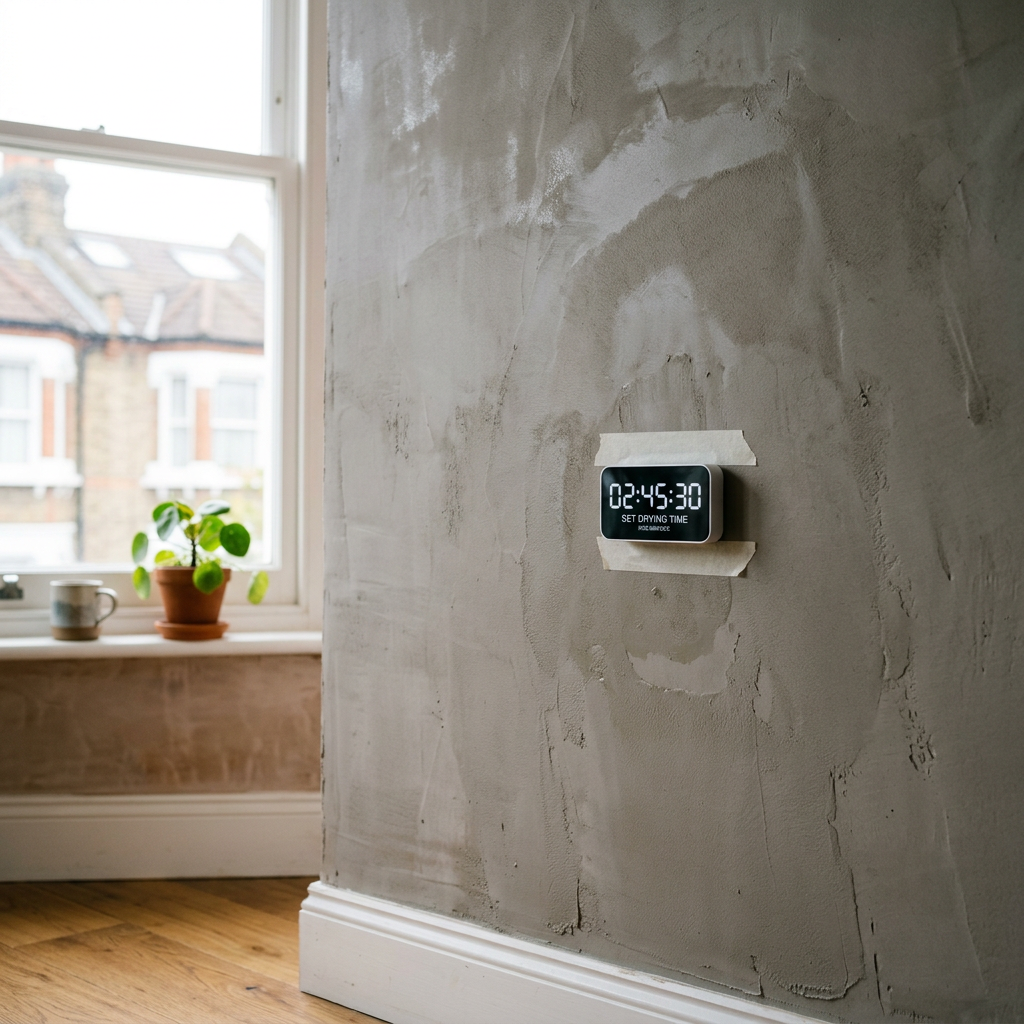
Speed Up Plaster Drying Time Safely in Your Home
How to Speed Up Plaster Drying Time Safely
Imagine coming home after a long day of work, only to find your newly plastered wall still looks wet and uninviting. You had planned to decorate that weekend, but the plaster isn't dry! If you've ever faced this dilemma, be assured you're not alone. Drying plaster can feel like waiting for paint to dry, marking an agonizing pause in your home improvement project. Thankfully, there are safe and effective ways to speed up plaster drying time without compromising quality.
Understanding Plaster Drying Time
Before diving into methods for expediting plaster drying, it’s essential to understand what affects this process. Plaster drying is influenced by several factors:
- Humidity levels: High humidity can significantly slow down the drying process.
- Temperature: Colder temperatures can keep plaster wet for longer.
- Type of plaster: Different types of plaster, like lime or gypsum, have varying drying rates.
Typically, for optimal conditions, plaster can take anywhere from 24 to 48 hours to dry completely. Knowing how to manipulate these conditions can be the key to quicker results.
Effective Methods to Speed Up Drying Time
Here are some actionable tips to help you speed up plaster drying time safely:
1. Control the Environment
Maintain Ideal Temperature
- Heating: Increase the temperature in the room to about 24-26°C (75-78°F) if possible. This could involve using heaters or radiators. Make sure to monitor the temperature to avoid overheating or causing discomfort.
- Airflow: Use fans or open windows (if it’s not raining) to promote airflow. Good ventilation helps moisture escape.
- Humidity Control: If you're plastering during London’s humid summer, consider using a dehumidifier to keep moisture levels low.
2. Choose the Right Plaster
Certain plaster types have faster drying times:
- Fast-setting plaster: Opt for fast-setting products if you need quicker results. While these can dry in as little as 1-2 hours, ensure you work quickly and efficiently.
- Thinner application: Applying plaster in thinner layers can also help reduce drying time. Avoid the temptation to lay on thick coats.
3. Salts and Additives
Some commercial additives are designed specifically to reduce drying time. However, be cautious:
- Always follow manufacturer instructions to ensure they are compatible with your chosen plaster.
- Test a small area first to prevent any adverse reactions.
4. Time Your Work Right
Timing can make a significant difference:
- Daylight Hours: Plan your plasterwork during the warmest parts of the day, typically in the afternoon, when sunlight and warmth can assist drying.
- Avoid Moist Weather: If rain is forecasted, put off plastering or take additional precautions to manage humidity levels.
5. Post-Application Techniques
After applying plaster, consider these methods:
- Gentle Heating: If the plaster seems to take longer to dry, apply gentle heat using heaters or heat guns on low settings, keeping a safe distance.
- Monitor and Rotate: Check on drying progress regularly and rotate furniture or other items away from walls to help ensure consistent drying.
Practical Tips Section
To summarize, here are practical, easy-to-remember ways to speed up drying time:
- Increase room temperature.
- Use fans for airflow.
- Utilize dehumidifiers in humid conditions.
- Choose fast-setting products or apply thinner coats.
- Avoid plastering during rainy weather.
FAQ
What is the safest way to speed up plaster drying?
The safest way is to adjust the room temperature and promote airflow using fans or heaters without direct contact with the plaster.
How long does plaster usually take to dry?
Under optimal conditions, plaster can take 24 to 48 hours to dry fully, depending on humidity and temperature.
Can I paint over plaster before it's fully dried?
No, it’s best to wait until plaster is fully dried to prevent issues with paint adhesion and potential damage to the finish.
What if my plaster is taking too long to dry?
If drying is prolonged, check room conditions, increase airflow, and consider altering temperature or applying additional heat carefully.
Are there any risks if plaster dries too quickly?
Yes, if plaster dries too quickly, it can crack or become uneven. It’s vital to maintain a balance to ensure safety and quality.
Conclusion
In summary, homeowners in London looking to speed up their plaster drying time can benefit immensely from controlled environment management—temperature, humidity, and airflow are all key factors. Adopting the right plaster type and application techniques can significantly reduce wait times while ensuring you achieve a quality finish on your walls. For more tips and expert help, consider visiting London Plastering Service or contact us for professional services that can bring your vision to life efficiently.
Take the first step in your home renovation project. Visit our Gallery to see completed projects or check our About page to learn more about our professional plastering team. Ready to transform your walls? Let’s make your home a masterpiece today!
Related Plastering Guides & Services
Need Professional Plastering?
Get expert plastering services in London. Free quotes within 60 minutes.