
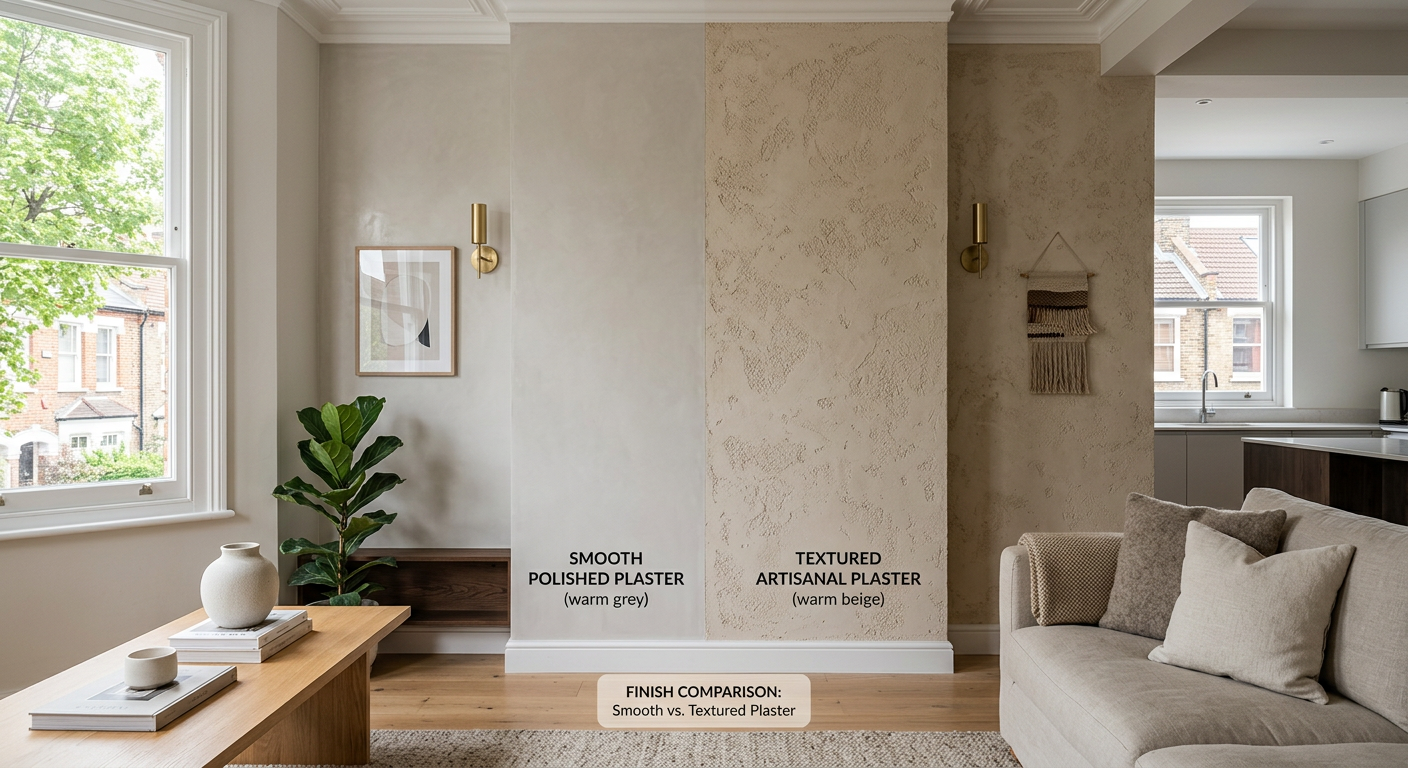
Smooth vs. Textured Finish for New Plaster Walls
Choosing the Best Finish for Your New Plaster Walls: Smooth or Textured?
Imagine this: You've just completed a major renovation on your stylish Victorian flat in Islington. The walls are freshly plastered, and now the choice looms large – should you keep it sleek with a smooth finish, or go for a more inviting texture? You’re not alone; many London homeowners grapple with this decision. In fact, did you know that the type of finish you choose can not only affect the aesthetics of your home but also its resale value? Let’s dive deeper into this debate to help you make a well-informed choice for your walls.
The Basics of Plaster Finishes
When we talk about finishes in the context of plastering, we primarily refer to the texture of the surface. Here are the two most common types:
Smooth Finish
- Characteristics: A smooth finish is just that – smooth! It provides a clean, sleek look that enhances contemporary decor.
- Advantages: Easy to paint, offers a sophisticated appearance, and reflects light beautifully, making spaces appear larger.
- Ideal For: Minimalist-themed residential designs, professional spaces (like offices in the City of London), and owners who love vibrant wall art.
Textured Finish
- Characteristics: Textured finishes vary from bumpy to rippled, bringing depth and interest to walls.
- Advantages: Textured walls can hide minor imperfections and provide a cozy, inviting feel to rooms.
- Ideal For: Traditional homes, cozy living rooms, and spaces where wall wear and tear are a concern (like kids’ play areas).
Smooth vs. Textured: Which Is Right for You?
Visual Appeal
Your choice might hinge on the visual effect each finish delivers:
- Smooth Finish: Perfect for modern aesthetics. If your home features a contemporary design with sharp lines and clean colors, the smooth finish will complement it beautifully.
- Textured Finish: Ideal if you wish to evoke warmth and character in your home. This approach works well in areas like the popular neighborhoods of Notting Hill or Shoreditch, where eclectic styles thrive.
Practical Considerations
- Maintenance: Smooth finishes are easier to clean (just a quick wipe is sufficient), whereas textured finishes can catch dust. If you’re in a busy London area, such as Camden or Hackney, where smog can settle, ease of cleaning can be a significant factor.
- Longevity: If you have children or high foot traffic in your household, a textured finish may be more forgiving when it comes to scratches and scuffs.
Practical Tips for Choosing the Right Finish
- Assess Your Lifestyle: Consider how active your household is. High traffic areas may benefit more from textured finishes.
- Visit Your Local Gallery: Check out our Gallery to see examples of both finishes in completed projects around London.
- Sample Areas: Before making a decision, try out small sections of both finishes on your wall and see what suits your decor and preferences.
- Think Long-Term: Consider how your design choices can positively impact your property’s resale value; smooth finishes can often appear more appealing to buyers.
- Consult with a Pro: Don't underestimate the value of professional advice. Our About page details how our expert plasterers in London can help.
FAQ
What are the costs for smooth vs. textured finishes?
The costs can vary based on the complexity of the texture. Generally, a smooth finish might run you around £15-£25 per square meter, while textured finishes can range from £20-£35 per square meter due to the additional labor involved.
Can I change wall finishes later?
Yes, while it’s entirely doable to change wall finishes, it often requires more than just a simple paint job. You might need to reskim or re-plaster, which is best handled by a professional Plasterer Near Me.
How do different finishes affect my room's lighting?
Smooth finishes can enhance natural light and make spaces feel larger, while textured finishes will absorb light, creating warmth and comfort. This is particularly beneficial in well-lit spaces in Kensington or Chelsea.
Are there specific tools required for applying different finishes?
Yes, applying a smooth finish usually requires leveling tools such as trowels and bead rollers, while textured finishes might need stippling brushes or sponges for effect.
What preparations are needed before applying plaster finishes?
Ensure walls are clean and free from any existing paint or wallpaper. It's also important to repair any significant imperfections before the application of your chosen finish.
Conclusion: Make Your Walls Talk to You
Choosing the best finish for your new plaster walls is more than just a design decision; it reflects your personal style and how you want your home to feel. Whether you opt for a smooth and modern look or a textured and cozy vibe, each choice tells a story about who you are as a homeowner in vibrant London.
If you’re ready to transform your walls or need help deciding between smooth and textured finishes, our friendly team at London Plastering Service is here to assist! Get in touch today for a consultation or to receive a free quote! Dive into the exciting world of plastering today and create a lasting impression in your home.
Related Plastering Guides & Services
Need Professional Plastering?
Get expert plastering services in London. Free quotes within 60 minutes.