
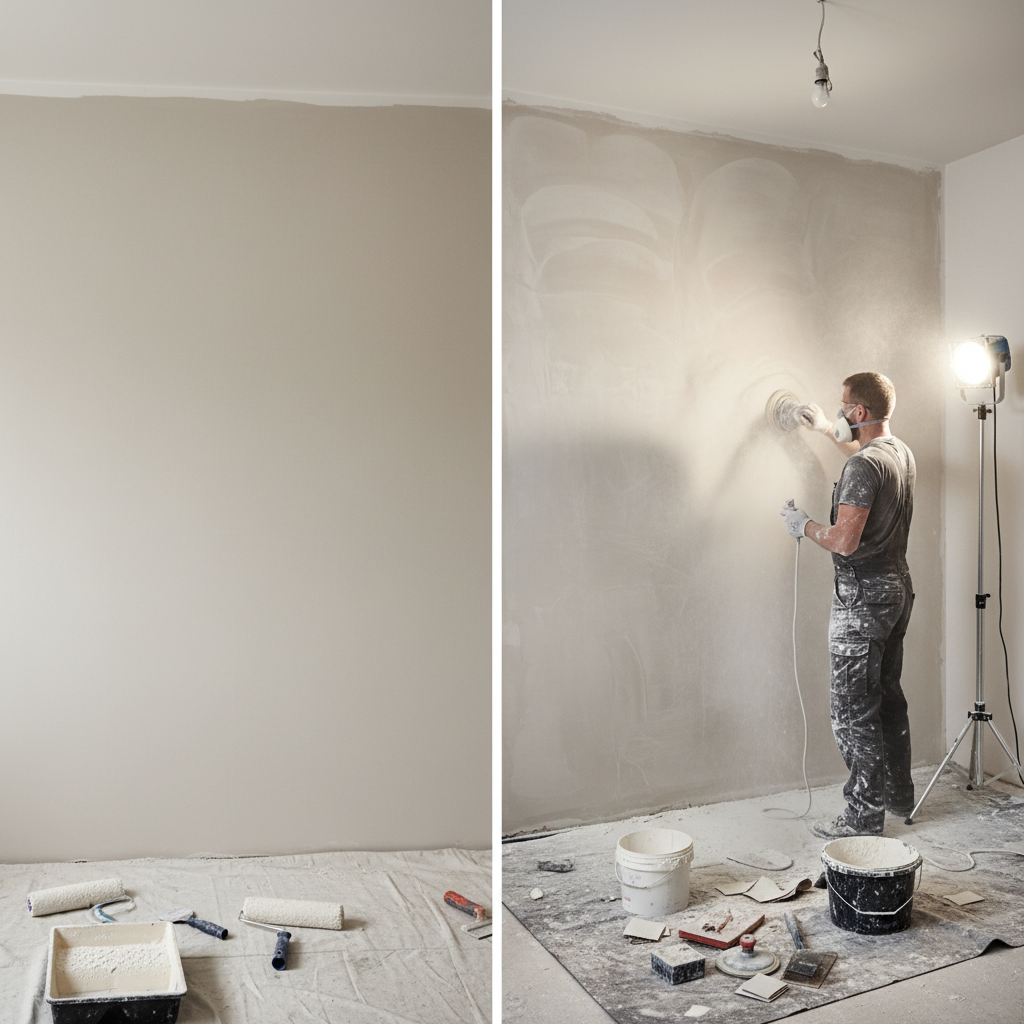
Skimming vs Sanding Walls for Painting: Key Differences
Skimming vs Sanding Walls for Painting: The Ultimate Comparison
Imagine this: you're standing in your freshly painted living room in Clapham, admiring the sunshine bouncing off newly coated walls, when you suddenly notice imperfections. Dents, bumps, and scratches have transformed your sleek aesthetic into an eyesore. No need to panic! The debate between skimming and sanding can be your saving grace, leading you to a wall finish that rivals the best in London. But which of these methods is right for you? This blog dives deep into the skimming vs sanding walls for painting comparison.
What is Wall Skimming?
Wall skimming, often referred to as plaster skimming, is the process of applying a thin layer of plaster over existing walls. It’s an excellent method to create a uniform surface and eliminate imperfections such as cracks and holes. This technique is particularly popular in London properties where older homes may have textured or damaged walls.
Benefits of Wall Skimming
- Smooth Surface: Provides a flawless finish, perfect for painting or wallpapering.
- Quick Application: Professional skim coats can usually be completed in a day or two.
- Durability: Enhances the durability of the surface and can help to increase property value.
What is Wall Sanding?
Sanding, on the other hand, involves smoothing down existing surfaces using sandpaper or a power sander. This method is often used for pre-painted walls or new plastered surfaces that need a fine finish before painting. While it can be effective, it requires a lot of elbow grease!
Benefits of Wall Sanding
- Cost-Effective: Less material is required, making it a cheaper alternative if you’re doing it yourself.
- Minimal Equipment: Only requires sandpaper and a sander, making it accessible to homeowners.
- Good for Minor Imperfections: Excellent for addressing smaller bumps and scratches without a full coat of plaster.
Skimming vs Sanding: Which is Best for You?
Factors to Consider
- Condition of the Walls: If your walls have substantial damage, skimming is the ideal choice. However, if they only show minor imperfections, sanding may suffice.
- Desired Finish: For a seamless look, skimming should be your go-to, especially in high-visibility areas like living rooms in areas like Kensington.
- Budget and Time: Skimming can be pricier (£400-£600 depending on wall size) but is quick and effective; sanding is cheaper but labor-intensive.
Step-by-Step Process for Each Method
Skimming Process
- Prepare the Area: Remove furniture and cover the floor with a drop cloth.
- Clean the Walls: Ensure walls are clean and free from dust or grease.
- Apply Priming: Use a bonding agent if necessary to help the plaster adhere.
- Smoothing the Plaster: Use a trowel to apply the plaster evenly over the wall.
- Drying: Allow the skim coat to dry completely, usually 24 hours.
- Finish: Once dry, you can paint directly on the skimming.
Sanding Process
- Gather Tools: Acquire sandpaper (grit sizes 120-220 recommended) and a power sander if available.
- Wear Protection: Use a mask and eyewear to protect against dust.
- Sand Down Imperfections: Start with a coarser grit to remove bumps and finish with finer sandpaper for a smooth surface.
- Clean Dust: Remove all dust with a damp cloth before painting.
Practical Tips for Homeowners
- Always test a small area before choosing your final method.
- If skimming, consider hiring local plasterers in your area to achieve an expert finish.
- Ensure proper ventilation while sanding to avoid dust accumulation.
- Investing in a quality primer can enhance the final paint job on either method.
FAQ
What is the average cost of skimming vs sanding?
The cost for skimming can range from £400 to £600 for a standard room, while sanding can be much less, around £100 to £300 depending on the extent of work needed.
Can I skim over painted walls?
Yes, skimming over painted walls is common. However, it’s crucial to prepare the surface by cleaning and potentially priming it for best results.
How long does skimming take to dry?
Typically, skimming takes about 24 hours to dry completely, depending on the thickness of the coat and humidity levels.
Is skimming messy?
Skimming can be messy due to plaster dust, but a professional service like London Plastering Service will take steps to minimize mess.
Do I need to sand before skimming?
While it’s not always necessary, sanding can help to create a better bond between the old wall and the new plaster if there are imperfections present.
Conclusion
In the comparison of skimming vs sanding walls for painting, both methods have their place, but creating that flawless finish often depends on your specific needs and the condition of your walls. Whether you choose skimming for a smooth and long-lasting finish or opt for sanding for minor touch-ups, the quality of the job will significantly impact the beauty of your home.
If you’re tackling a plastering project in areas like Greenwich or Islington, reach out to London Plastering Service to ensure your walls are ready for a stunning transformation. Check out our Gallery to see our completed projects and get inspired!
Feeling overwhelmed? Don’t hesitate to contact our professional plastering team for expert advice and assistance today! Remember, the right wall preparation can make all the difference between a mediocre paint job and a beautiful home.
For more tips and guidance, explore our Blog for the latest in plastering advice.
Related Plastering Guides & Services
Need Professional Plastering?
Get expert plastering services in London. Free quotes within 60 minutes.