
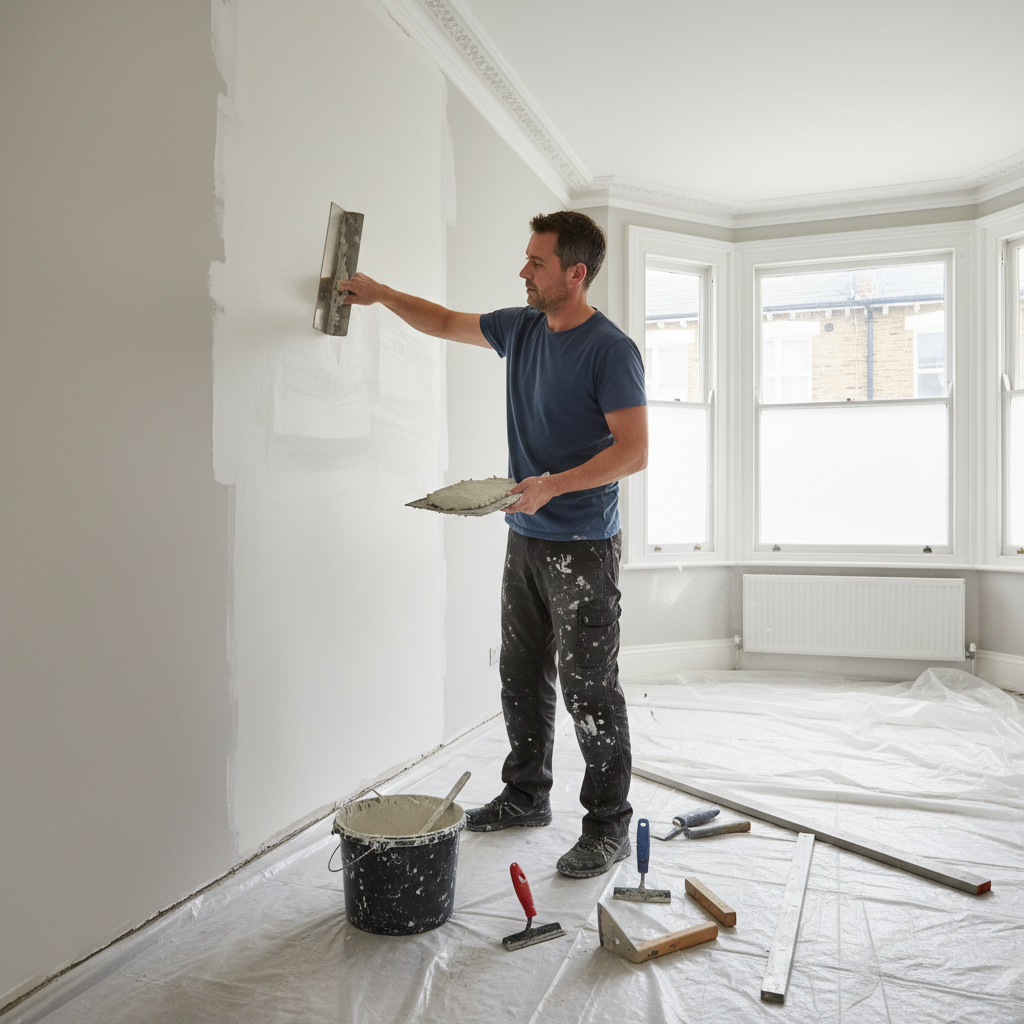
Skimming vs. Plastering: What You Need to Know
Skimming vs. Plastering: What You Need to Know
Picture this: you’ve just moved into a charming Victorian home in Clapham, and the walls are a delightful canvas of old-world charm. But as you start to settle in, you notice unsightly cracks and uneven surfaces. You know it’s time for some plastering work, but you’re bewildered by the terms ‘skimming’ and ‘plastering’. Are they the same? Do you need one or the other—or both?
Understanding the difference between skimming and plastering is crucial for any homeowner, landlord, or property manager in London. Each technique serves a specific purpose and comes with its own set of benefits, and knowing these can help you make informed decisions. In this comprehensive guide, we’ll explore all that you need to know about skimming and plastering, ensuring your home looks its absolute best.
What is Plastering?
Definition
Plastering refers to the application of a mixture (commonly lime, gypsum, or cement) to walls and ceilings to create a smooth surface. It is often used for new constructions but can also be applied during renovations to rectify damage or enhance aesthetics.
Types of Plastering
- Traditional Plastering: Involves multiple layers and can take time to set. It is typically done with lath and plaster systems.
- Modern Plastering: Includes ready-mixed products for quicker applications, depending on the wall surface.
- Render: Often executed externally, render protects building exteriors while offering a range of finishes.
Plastering not only strengthens the wall but also prepares it for painting or wallpapering. In London, the average cost for plastering a room is around £400 to £600, depending on the size and labor involved.
What is Skimming?
Definition
Skimming, on the other hand, is a specific type of plastering where a thin layer of plaster is applied over an existing wall or ceiling. Skimming is often used to smooth out imperfections in previously plastered surfaces or to provide a fresh canvas for decorating. It’s an essential technique especially in older London homes where original plaster may have deteriorated over time.
When to Use Skimming
- You need to cover an old and damaged plaster surface.
- You want a smoother finish on walls before painting.
- You aim to achieve aesthetics without undertaking invasive work.
The cost of a skimming job typically ranges from £300 to £500 for an average-sized room, making it a cost-effective solution for homeowners looking to revitalize their spaces.
Comparing the Two Techniques
Key Differences
| Feature | Plastering | Skimming | |---------------|------------------------------|-------------------------------| | Thickness | Thicker application | Thin coat (approx 3-5 mm) | | Purpose | Create and restore surfaces | Smooth and flat finish | | Application | New walls or major repairs | Existing walls | | Cost | £400-£600 per room | £300-£500 per room | | Finish | Can be rough or textured | Smooth, ready to paint |
As you can see from the differences, the choice between skimming and plastering heavily depends on the existing condition of your walls.
Practical Tips for Homeowners
Assessing Your Needs
When deciding whether to skim or plaster, consider the following practical tips:
- Evaluate Wall Condition: Inspect your walls for cracks or extensive damage. This will help determine if you need a complete plastering job or just a skim.
- Consult a Professional: Reach out to professional plasterers in your area, such as London Plastering Service to get advice tailored to your specific scenario.
- Plan for Finishing: Decide if you want a painted or textured finish. Skimming provides an ideal surface for painting.
- Budget Wisely: Consider that while skimming may initially be cheaper, extensive damage might require a full plastering job later.
- Choose the Right Time: Schedule your plastering or skimming work for times when you can ventilate your space, as it requires some time to cure properly.
FAQ
Why would I choose skimming over traditional plastering?
Skimming is preferred when budget constraints exist, or if the surface only requires smoothing rather than complete restoration. It’s a quicker process and ideal for decorative touch-ups.
How long does it take for plaster to dry?
Typically, plaster takes about 2-4 days to dry completely depending on humidity and temperature. Skim coats may dry quicker, often within 1-2 days.
Can I skim over painted walls?
Yes, you can skim over painted walls, but ensure that the existing paint is in good condition. Any flaky or peeling sections should be removed for the best finish. For a visual reference, check our Gallery of completed projects.
Is skimming a DIY job?
While DIY skimming is possible, it requires skills and proper tools for the best results. If you're unsure, hiring professionals like Local Plasterers in your area can save you time and frustration.
What are the indications I need plastering?
Cracks, damp patches, or bumps on walls are strong indicators that plastering is needed. If you notice these signs, consider consulting with our professional plastering team to assess the situation.
Conclusion
Understanding the difference between skimming and plastering is essential for anyone looking to maintain or enhance their home's interior in London. Whether you decide to skim or go for a full plaster job will depend on your specific needs, wall conditions, and budget.
To make an informed choice, consult with experts who can guide you through the process. Remember, a well-finished wall can elevate the entire aesthetic of your space, adding value to your property and comfort to your home.
For any plastering needs, don’t hesitate to reach out to London Plastering Service. We’re here to help you make your walls beautiful and smooth!
Related Plastering Guides & Services
Need Professional Plastering?
Get expert plastering services in London. Free quotes within 60 minutes.