
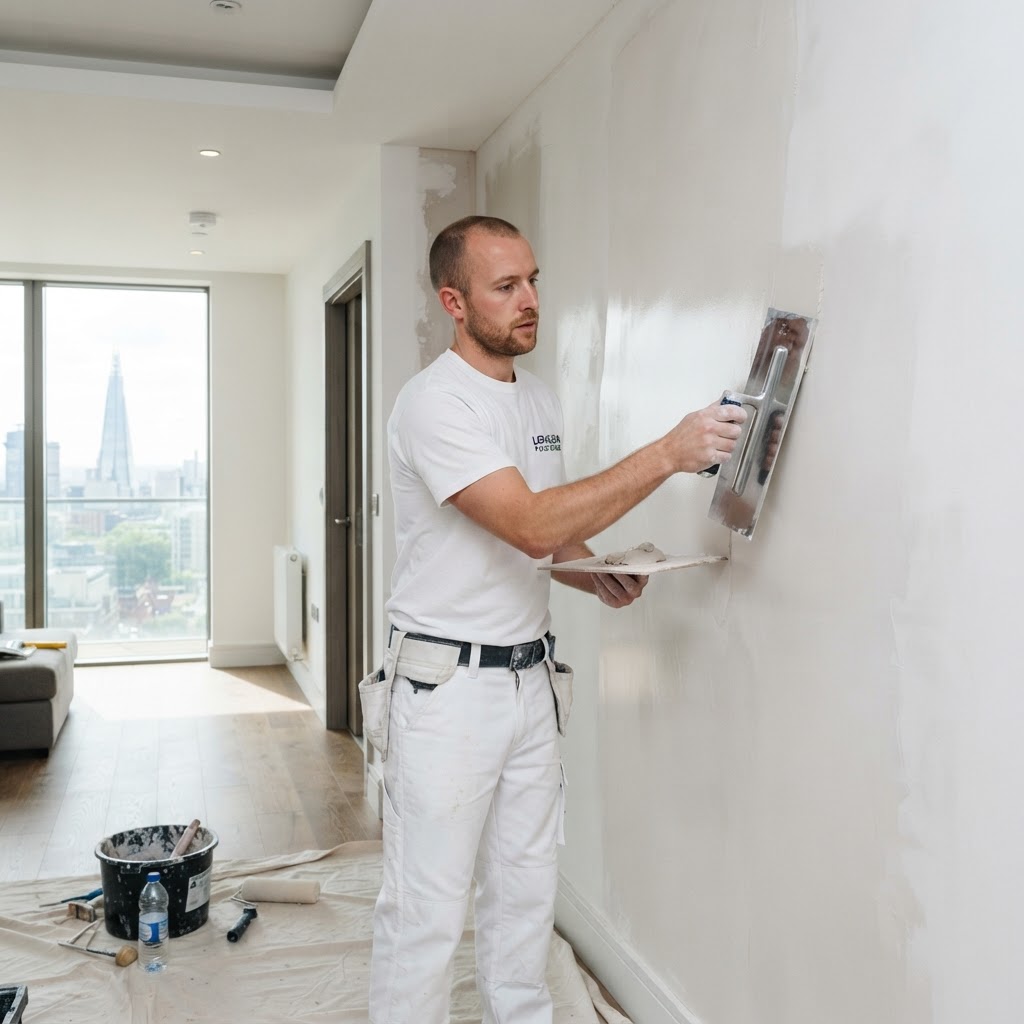
Skimming vs Plastering: Understanding the Difference
Understanding Plastering and Skimming in London
When embarking on a home renovation in prestigious areas like Kensington, Chelsea, or the leafy suburbs of Richmond, homeowners often find themselves overwhelmed by trade terminology. At London Plastering Service, we frequently hear the terms 'plastering' and 'skimming' used interchangeably. However, as your local plasterer-london, we want to clarify that these are two distinct processes, each serving a vital purpose in property maintenance and aesthetics across the capital’s diverse housing stock.
What is Plastering?
Plastering is the foundational craft of applying a protective or decorative coating to walls and ceilings. In the context of a new build in Greenwich or a structural renovation involving Full House Replastering in a Victorian terrace in Hackney, this typically involves applying two or three thick layers of material—often a base coat of 'bonding' or 'hardwall' followed by a 'setting' coat—to bare brickwork or modern stud walls. The primary goal of traditional plastering is to build up a flat, solid, and stable surface on a structural wall that was previously unfinished, uneven, or damaged by moisture.
What is Skimming?
Skimming is a refined subset of plastering. It is the process of applying a very thin layer of finish plaster—usually about 2-3mm thick—over an existing surface. This is the gold standard for Wall Skimming London projects, specifically when you are renovating a room and need to cover up uneven surfaces, small cracks, or old, dated plaster. In many cases, it acts as the final aesthetic layer that transforms a rough base into a smooth, paint-ready surface.
The Key Differences: A Deep Dive
To help you decide what your property needs, we have broken down the technical differences between these two vital processes:
- Application Depth and Materials: Plastering requires building depth. A scratch coat may be 8-10mm thick, whereas skimming is a thin 'top coat' finish designed only for smoothing.
- Surface Requirements: Plastering is applied to raw, absorbent surfaces like brick, concrete block, or dry plasterboard. Skimming requires a stable, often 'primed' surface (using a PVA or specific bonding agent) to adhere correctly to prevent peeling.
- Function: Plastering is about structural integrity and initial wall creation; skimming is about achieving aesthetic perfection. For example, in a period property in Islington, you may need a full 'dot and dab' plasterboard install followed by a skim, whereas in a modern apartment in Canary Wharf, you might only need a skim over existing plasterboard.
2026 London Plastering Price Guide: Budgeting for the Capital
Understanding your budget is critical in the capital. Whether you are seeking Plastering Prices London for a luxury project or a simple room refresh, prices in 2026 reflect the high demand for skilled labor. Here is the estimated 2026 market rate for London:
- Wall Skimming (per room): £450 - £750, depending on room size, wall height (higher ceilings in period homes increase costs), and the number of corners or obstacles.
- Full Wall Plastering (including bonding): £800 - £1,500 per room. This includes the application of bonding agents and potentially two-coat plastering for rough brickwork.
- Ceiling Repair: Costs for sagging plaster or water-damaged lath and plaster in older homes vary; visit our Ceiling Plaster Repair London page for estimates.
- General Plastering Cost London: Day rates for highly skilled, insured London tradespeople currently range between £250 and £350 per day. For large commercial projects, quotes are often calculated per square meter, usually starting from £15 - £25 per square meter for labor and materials.
When Do You Need Each Service?
If you are dealing with water damage in your basement in Chelsea, you may require specialized Emergency Plaster Repair London to prevent damp penetration. If you are simply looking to update your decor and remove 1970s textured ceilings, Artex Covering London through skimming is usually the preferred, most cost-effective route. If you are building a new extension or converting a loft in South London, you will almost certainly require full Dry Lining London and plastering services to meet current building regulations (Part L for thermal insulation).
Expert Insights: The Chemistry of Plaster
Why does plaster fail in London homes? Often, it is due to the high humidity levels and the movement of old foundations. A professional plasterer knows how to use 'mesh' across cracks in a Victorian wall to prevent them from reappearing after a skim. Simply skimming over a deep structural crack is a waste of money; the crack will inevitably telegraph through the new plaster within months. Our expertise ensures that we treat the root cause before the aesthetic finish is applied.
Frequently Asked Questions (FAQ)
Q: Can I skim over existing wallpaper?
A: Absolutely not. You must remove all wallpaper, paste, and adhesive residue. Skimming requires a clean, solid, absorbent surface to bond properly. Residual paste acts as a barrier, leading to cracking or 'blowing' of the plaster later.
Q: Is skimming cheaper than re-plastering?
A: Generally, yes. Skimming requires significantly less material, fewer labor hours, and is less messy. However, it is only suitable if your existing walls are structurally sound and stable. If the old plaster is loose, hollow, or crumbling, a 'skim' will fail, and full removal is required.
Q: How long does fresh plaster take to dry?
A: In a typical, well-ventilated London home, a skim coat can take 3-5 days to dry. However, the drying process depends heavily on ambient humidity. It will turn from a dark, wet-looking grey to a light, uniform pink color as it cures. Do not apply heat guns directly to new plaster, as this causes it to crack.
Q: Do I need a plasterer for dry lining?
A: Yes. While boarding is structural, the tape-and-jointing or skimming phase is what gives you that 'magazine-ready' finish. Poor joints are visible even after several coats of paint.
Q: What is the difference between 'bonding' and 'finish' plaster?
A: Bonding plaster is a heavy, gritty material used to fill large gaps or level out uneven brickwork. Finish plaster (or 'multifinish') is a fine, smooth material used for the final skim coat to provide a polished surface for painting or wallpapering.
Q: Does London's weather impact my internal plastering project?
A: Yes. High humidity during winter makes drying times significantly longer. We recommend using dehumidifiers to ensure the plaster cures at a steady rate, preventing damp-related issues in the final finish.
Book Your Professional Consultation Today
Whether you need a quick skim to refresh a living room or a complete replastering of a period property in a conservation area, our team is ready to assist. Contact London Plastering Service today for a transparent quote, a breakdown of material costs, and expert advice for your specific area. Call us or visit our contact page to get started.
Related Plastering Guides & Services
Need Professional Plastering?
Get expert plastering services in London. Free quotes within 60 minutes.