
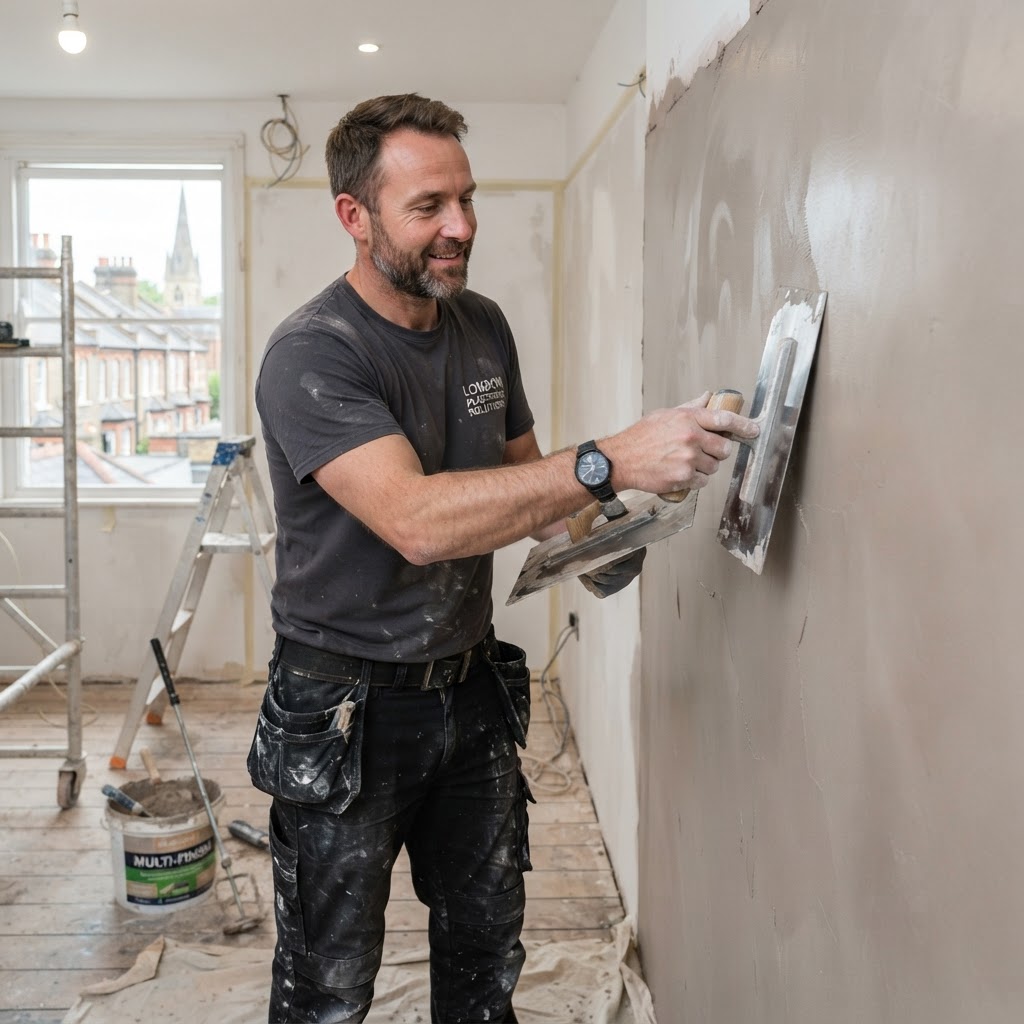
Skimming vs Plastering: A London Guide to Home Renovation
Understanding the Fundamentals: Plastering vs Skimming
When you are renovating a home in the diverse architectural landscape of London—whether you are working on a period property in Kensington, a Victorian terrace in Clapham, or a modern loft conversion in Islington—the terminology used by tradespeople can often be confusing. As a leading plasterer London team, we frequently encounter clients who are unsure whether their project requires a full plastering overhaul or a straightforward skim. While often used interchangeably by laypeople, these terms represent distinct technical processes that differ in scope, material application, and structural purpose.
What is Plastering? The Structural Backbone
Plastering is the overarching term for the application of plaster to walls and ceilings to create a solid, durable surface. In the context of London’s older housing stock, specifically Victorian and Edwardian builds, plastering often involves traditional methods such as lime plastering or a two-coat sand and cement system.
In new-build projects or significant structural renovations where walls have been stripped back to the bare brickwork or timber studding, a backing coat—such as bonding plaster or hardwall—is required. This base layer provides the necessary thickness to level uneven brickwork. Once the backing is set, a 'set' or 'skim' coat is applied to finish. For those tackling extensive renovations, understanding the depth of this work is vital. See our deep-dive on Full House Replastering for a technical breakdown of how we handle entire property refurbishments.
What is Skimming? The Aesthetic Perfection
Skimming, frequently referred to by professionals as 'finish plastering,' is the refined process of applying a very thin layer of high-quality finishing plaster, typically 2-3mm in depth, over an existing surface. This surface is usually plasterboard or older, structurally sound plaster.
Skimming is the premier solution for refreshing tired, uneven, or aesthetically dated walls. If your current plaster is in relatively good condition, but suffers from surface-level hairline cracks, scuffs, or uneven patches, you likely only need our Wall Skimming London service. Skimming is the essential secret to achieving that 'glass-like' finish that serves as the perfect canvas for high-end interior paint or wallpaper.
Deep Dive: The Technical Nuance of Surfaces
Beyond basic definitions, the material science of London properties plays a massive role. If you are in a conservation area like Hampstead or Chelsea, you might be dealing with lath and plaster walls. These require different handling compared to modern drywall. Skimming over lath and plaster requires an inspection to ensure the 'keys' (the bits of plaster behind the lath) are still holding. If they have crumbled, no amount of surface skimming will stop the wall from failing again in six months.
Comparing the Costs: 2026 London Pricing Guide
London renovation costs are notoriously variable. Factors such as local parking permit fees, waste disposal costs (which are higher in zones like Westminster vs. outer boroughs), and property accessibility significantly impact your final quote. Understanding the Plastering Prices London market is crucial for effective project management.
- Wall Skimming: Prices typically range from £350 to £650 per room. This variance accounts for room size, ceiling height (high ceilings in Belgravia properties often require specialist scaffolding), and the amount of preparation needed to cover existing damage.
- Full Replastering: Expect a price bracket of £1,500 to £3,000 for a standard bedroom, which includes the removal of old, blown plaster, the application of bonding coats, and final finishing. For expansive period properties in areas like Richmond, labour intensity is higher due to decorative coving and intricate wall profiles.
- Ceiling Repairs: A targeted Ceiling Plaster Repair London job starts at approximately £300, accounting for the higher skill level required for gravity-defying overhead work.
- Specialist Lime Work: For Grade II listed buildings, expect to pay a premium. Lime plastering is a dying art that requires longer setting times and specialized expertise, often costing 30-50% more than standard gypsum-based plastering.
For an accurate estimate tailored to your postcode, consult our Plastering Cost London guide. We advise setting aside a 10% contingency for older properties where hidden damage may be discovered during the initial strip-back.
Strategic Decision Making: Why Choose One Over the Other?
Selecting the right method requires a thorough assessment of your substrate.
- Substrate Condition: If you detect 'hollow' sounds when tapping the wall, or if you see salt damp or moisture migration, skimming is merely a cosmetic bandage. You will require a full strip-back and replaster to ensure long-term stability.
- Aesthetic Objectives: If your goal is to hide dated textured surfaces, our Artex Covering London service is a standard form of skimming that levels out unsightly patterns, transforming a dated 1970s room into a sleek, contemporary space.
- Longevity and Value: While full plastering represents a significant upfront cost, it is a structural investment. In the competitive London property market, high-quality wall finishes directly correlate with increased property valuation.
Frequently Asked Questions (FAQ)
1. Can I skim over old wallpaper or painted surfaces?
Strictly speaking, no. We strongly advise against skimming over wallpaper. The moisture in the new plaster will re-hydrate the wallpaper adhesive, causing the paper to bubble, expand, and eventually peel away from the wall, taking your expensive new finish with it. Similarly, oil-based paints require a specialist bonding agent (PVA or SBR) or a complete mechanical removal before skimming can occur to ensure a strong chemical bond.
2. Is plastering the same as dry lining?
Not at all. Dry Lining London is a 'dry' trade that involves fixing plasterboard sheets to metal frames or timber studs. It is faster and often used in modern apartment blocks in Canary Wharf. Plastering is a 'wet' trade, applying material directly to surfaces. We often combine both, dry lining for structural stability and skimming for the final decorative finish.
3. How long does the drying process take?
Skimming reaches a 'touch-dry' state within 24 to 48 hours. However, 'curing' is different. We recommend waiting at least 3-5 days before painting, and even longer if the room has high humidity. If you paint too soon, you trap moisture inside, which causes long-term mold growth and paint flaking.
4. What should I do in an emergency?
If you have experienced ceiling collapse due to water leaks or structural failure, contact our Emergency Plaster Repair London team immediately. We provide rapid-response services to secure ceilings, ensuring that the room remains safe while permanent repairs are scheduled.
5. Will my room be dusty during the process?
Plastering is inherently messy. While we employ dust-suppression tools and protective masking, some fine dust is inevitable. We always recommend removing furniture or covering items with heavy-duty drop cloths before we arrive.
6. Can you match original decorative coving?
Yes, in many period properties, we can repair or replicate original cornices. This is a highly skilled service that requires taking a mould of the existing plasterwork to ensure a seamless match with your heritage features.
Conclusion: Choosing the Right Finish for Your London Home
Whether you are meticulously restoring a Victorian terraced house in Hackney or performing a sleek, minimalist update on a contemporary apartment in Canary Wharf, the technique you choose will dictate the longevity of your walls. The difference between a home that looks fresh for a season and one that remains pristine for a decade lies in professional preparation and skilled application. Do not gamble with your home’s finish—entrust your walls to experts who understand the unique structural nuances of the London housing market.
Ready to get started? Contact London Plastering Service today for a free, no-obligation site visit and quote. Let's bring your vision to life with professional, high-quality finishes.
Related Plastering Guides & Services
Need Professional Plastering?
Get expert plastering services in London. Free quotes within 60 minutes.